Top Landscaping Services in Martinsburg, WV, 25401 | Compare & Call

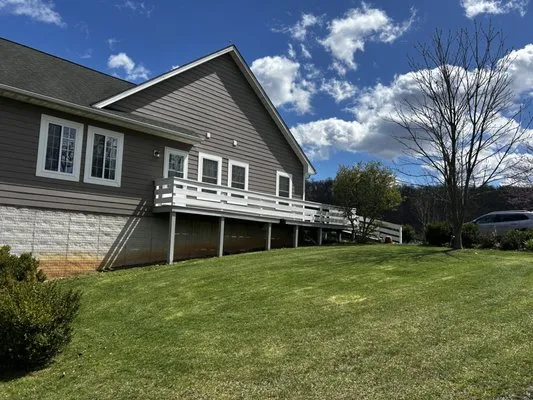
Serving Berkeley, Morgan, and Jefferson counties, B&M Landscaping is a full-service provider for Martinsburg area homeowners. We handle all aspects of property care, from routine lawn mowing and trimm...
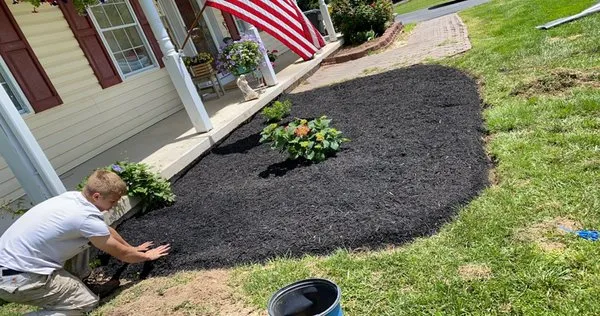
T's Landscaping is a dedicated, family-owned business serving Martinsburg, WV, and the surrounding areas. We specialize in comprehensive landscaping and pressure washing services designed to enhance y...
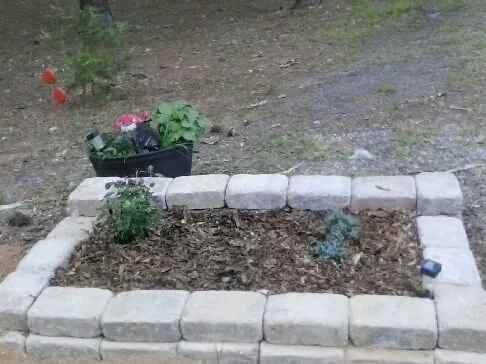
Tinsman Landscaping is a Martinsburg-based company offering comprehensive property care solutions for local homeowners. We specialize in landscaping, snow removal, and junk removal services to keep yo...
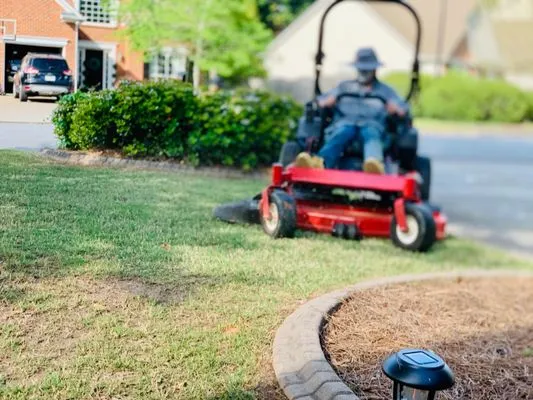
Barr Landscaping is a locally owned and operated lawn care service based in Martinsburg, West Virginia. Founded in 2008 by an owner with hands-on experience from working at a local nursery, the busine...
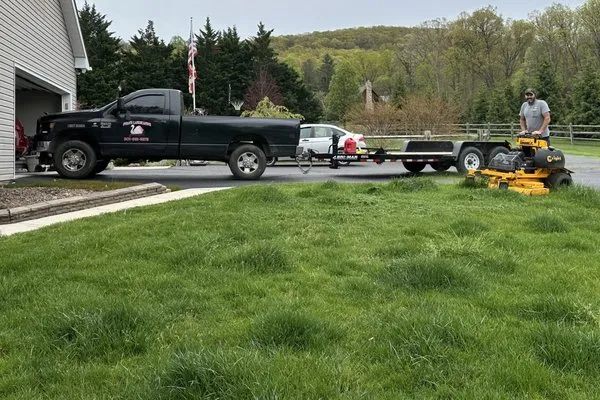
Swan's Landscaping is a trusted, locally-owned lawn and tree care provider serving Martinsburg, WV, and the surrounding Berkeley County area. We specialize in diagnosing and correcting the common loca...
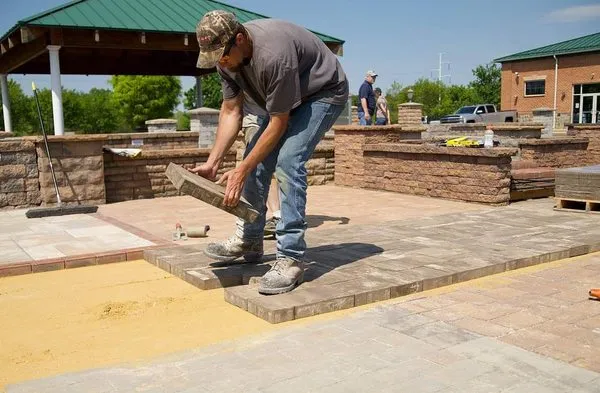
Everything Outdoors is a Martinsburg-based company specializing in comprehensive landscaping, fencing, and outdoor structure services. We understand the unique challenges of our local terrain, particu...
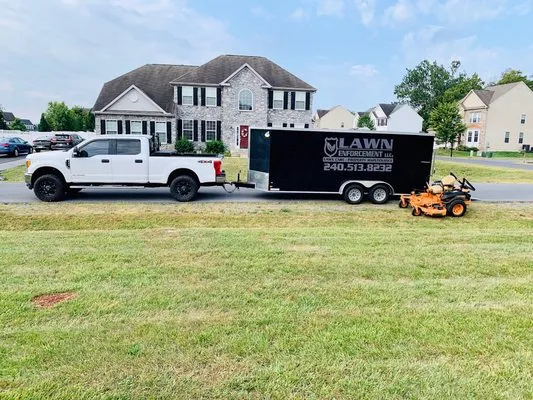
Lawn Enforcement LLC is a family-oriented lawn care and snow removal service with deep roots in West Virginia's eastern panhandle. For over 30 years, we've served Martinsburg and the surrounding commu...
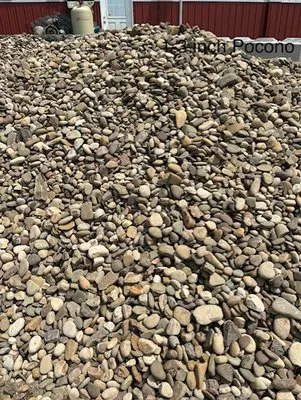
The Stone Man is your local source for quality landscape materials in Martinsburg, West Virginia. We supply the foundational elements for a healthy and beautiful yard, offering a wide selection of mul...
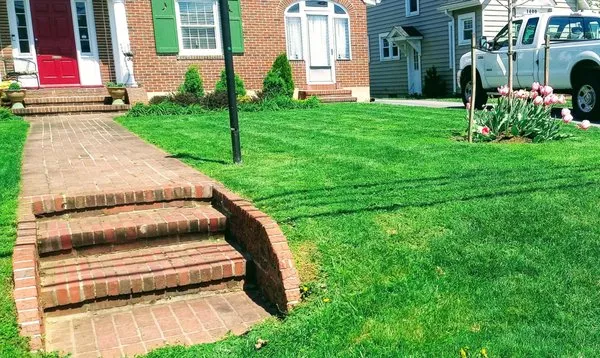
Cook's Lawn Care Plus
Cook's Lawn Care Plus is a family-owned lawn care and landscaping business serving Martinsburg, WV. Founded by Robert Cook, who discovered his passion for landscaping in high school, the company has g...
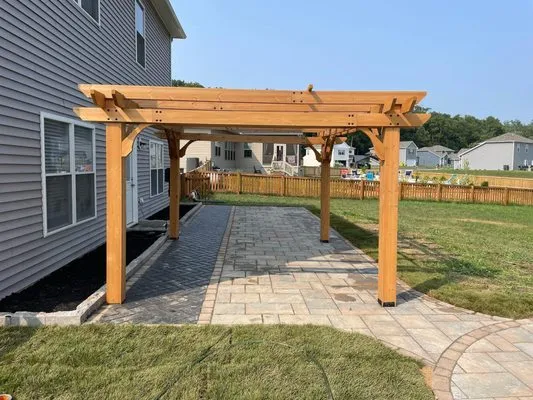
Mountain Strong Landscaping
Mountain Strong Landscaping is a dedicated hardscaping company serving Martinsburg, West Virginia, and the surrounding areas. Under the personal supervision of owner Keegan Grove, who is present on ev...
Questions and Answers
With voluntary water conservation in effect, how can I keep my Tall Fescue healthy without wasting water?
Martinsburg's voluntary conservation (Stage 0) is best managed with Wi-Fi ET-based weather sensing irrigation. This technology schedules watering based on real-time evapotranspiration data, applying water only when and where the turf needs it, often reducing usage by 20-40%. Properly calibrated for your 0.22-acre lot, it ensures deep root hydration for Tall Fescue while staying well within municipal guidelines. Manual overrides are available for periods of seasonal saturation common in our area.
My yard holds water every spring, creating a muddy mess. What's a long-term solution that also looks good?
Moderate runoff and seasonal saturation are predictable in acidic silt loam soils due to their low permeability. A functional solution integrates subsurface French drains with visible, permeable surface hardscaping using local sandstone or concrete pavers set on a gravel base. This system meets Martinsburg Planning Department runoff standards by managing water volume at the source. The permeable joints between pavers allow for gradual infiltration, reducing erosion and eliminating standing water.
A major storm blew through and I have debris everywhere. What's your fastest possible response for cleanup to meet HOA rules?
Our emergency dispatch from the Cumberland Valley Railroad Station uses I-81 for primary access, targeting a 20-30 minute arrival to Highland Park during peak events. Crews are equipped with electric-powered blowers and chippers compliant with the local noise ordinance, allowing for immediate daytime work. We prioritize safety-first debris removal, focusing on clearing walkways and drainage paths first to prevent secondary water damage before addressing bulk vegetative material.
I've spotted what looks like Japanese Knotweed and Tree-of-Heaven on my property. How do I handle them safely?
Japanese Knotweed and Tree-of-Heaven are high-priority invasive species that aggressively degrade local ecology. Treatment requires a targeted, multi-season herbicide protocol applied by licensed professionals. All work must comply with West Virginia's Chesapeake Bay Watershed nutrient management guidelines, which include specific blackout dates for application to protect water quality. Attempting DIY removal often worsens the infestation through root fragmentation and can violate these state ordinances.
I'm tired of weekly mowing and noisy gas equipment. Is there a quieter, lower-maintenance alternative to my lawn?
Transitioning high-maintenance turf to a landscape anchored by Eastern Redbud, Switchgrass, Purple Coneflower, Butterfly Milkweed, and New England Aster directly addresses this. This native plant community requires no mowing, minimal water once established, and provides superior habitat. It also future-proofs your property against tightening noise ordinances targeting gas-powered blowers. The resulting ecosystem is resilient, reduces your carbon footprint, and aligns with 2026 biodiversity and pollinator support standards.
I'm adding a patio and want it to last. Is local sandstone or a composite wood deck better for our climate and fire risk?
Local sandstone is the superior choice for longevity and fire safety. It is inherently non-combustible, contributing directly to a defensible space in Martinsburg's Moderate Wildland-Urban Interface rating. Sandstone and concrete pavers have a lifespan measured in decades, with minimal maintenance, unlike wood or composites which degrade under UV and moisture. A properly installed sandstone patio also mitigates heat island effect and provides permanent, stable value to your property.
My lawn is over 60 years old and struggles despite fertilizing. Why does the soil in my Highland Park neighborhood feel so dense?
Properties built around 1963, like many in Highland Park, have soils with over six decades of compaction from construction and maintenance. Your acidic silt loam (pH 6.2) naturally becomes impermeable over time, restricting root growth and water percolation. Annual core aeration and incorporating 1-2 inches of composted organic matter are non-negotiable for restoring soil structure. This process introduces air and biology, making nutrients from any fertilizer actually available to your Tall Fescue.
I want to regrade my backyard for better drainage. What permits and contractor qualifications should I verify?
Regrading a 0.22-acre lot in Martinsburg typically requires an Erosion and Sediment Control permit from the Planning Department to protect watersheds. The contractor must hold a valid license from the West Virginia Contractor Licensing Board, with specific classification for excavation and drainage work. This ensures they carry proper insurance and understand state-mandated Chesapeake Bay guidelines. Never hire an unlicensed individual for grading; improper work can cause off-site damage and result in significant liability and fines.
