Top Landscaping Services in League City, TX, 77511 | Compare & Call

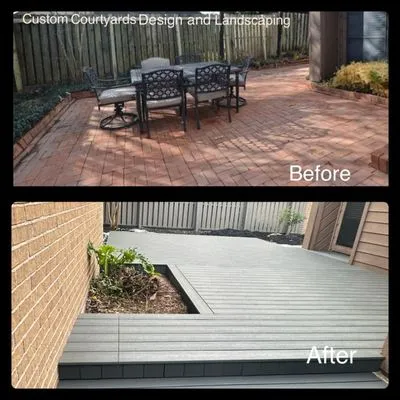
Custom Courtyards Design and Landscaping
Custom Courtyards Design and Landscaping is a family-owned and operated business serving League City, TX, and the Bay Area since 2006, with roots dating back to 1981. Founded by James Hopkins, an Army...

Full Armor Landscapes
Full Armor Landscapes is a locally-owned landscaping company serving League City and the surrounding areas. Founded in 2017 with a single push mower, we've grown into a trusted team with over seven ye...
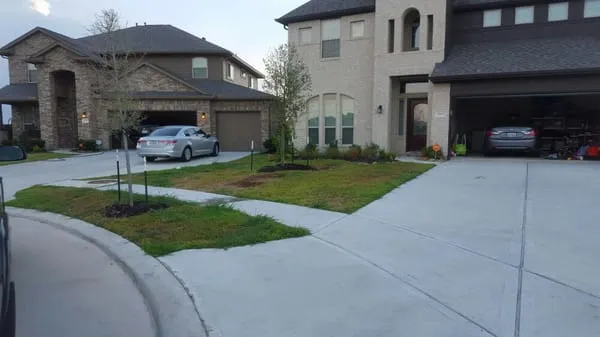
Hippie Fertilizing is a natural lawn care service in League City, TX, specializing in fertilization and soil biology enhancement. We offer Hippie Juice, a probiotic tonic designed to improve soil stru...
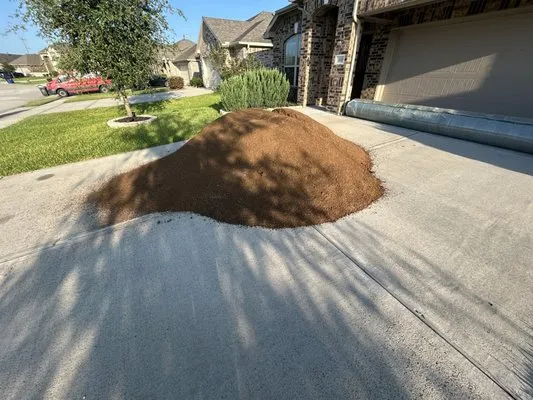
Jardina Garden Center
Since 1973, Jardina Garden Center has been a trusted resource for League City homeowners, helping to cultivate beautiful and resilient outdoor spaces. We understand the unique challenges of our Gulf C...
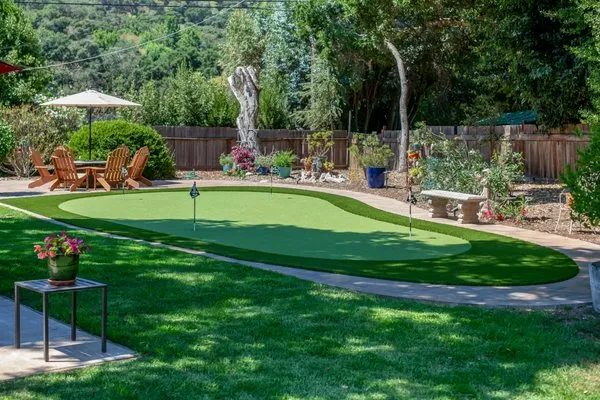
System Pavers
System Pavers serves League City, TX, with expert outdoor remodeling solutions, combining over three decades of national experience with a deep understanding of local conditions. We specialize in desi...

KIKI Landscaping & Construction
KIKI Landscaping & Construction is a trusted, locally-owned business serving League City, TX, specializing in comprehensive lawn care, fencing, gate installation, and painting services. We understand ...
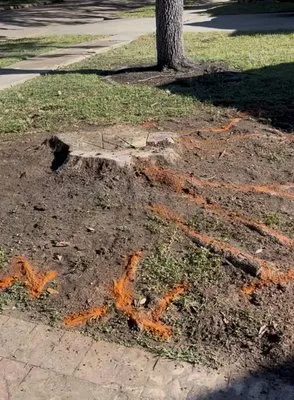
For 15 years, Cooney Stump Grinding has been a trusted, family-owned name in League City. Owner and operator Michael Cooney, a retired Coast Guardsman with 28 years of service, personally handles ever...

LC Mowers is a locally owned and operated landscaping company serving League City, TX. We specialize in transforming outdoor spaces, from solving common local issues like bare lawn patches and overgro...
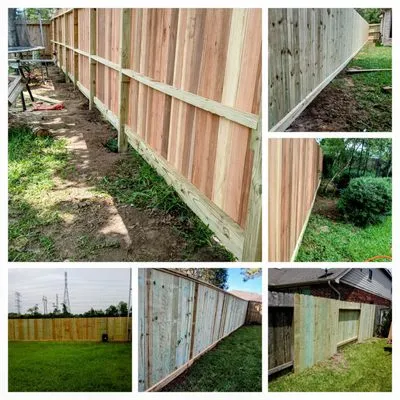
C W Fencing is a trusted local service provider in League City, TX, specializing in fencing, landscaping, and comprehensive handyman solutions. With expertise spanning fence installation and repair, g...
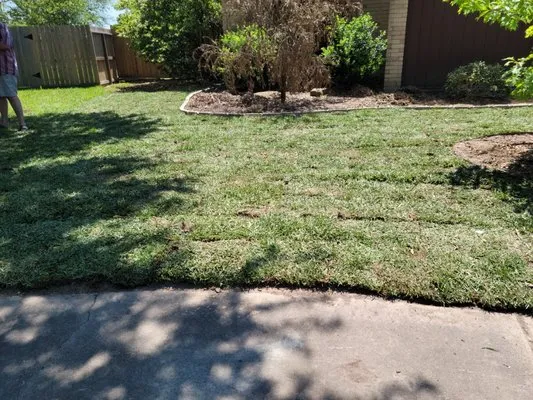
Zeke's Landscaping is a trusted, locally-owned company serving League City, Texas, with comprehensive outdoor solutions. We specialize in durable fence and gate installations, repairs, and protective ...
Frequently Asked Questions
Why does my soil in Victory Lakes feel so dense and why do I have drainage problems?
Homes built around 2001 on Lake Charles Clay have approximately 25-year-old soil profiles. This vertisol is naturally dense with high shrink-swell capacity, and typical construction practices compact it further, reducing permeability. Core aeration and incorporation of 3-4 inches of composted organic matter are critical to disrupt the hardpan, improve soil structure, and increase water infiltration for healthier root zones.
How fast can you respond for an urgent HOA compliance issue after a storm?
For emergency debris cleanup to meet HOA standards, our electric fleet can be dispatched from our maintenance hub near League Park. Using I-45, we typically reach Victory Lakes neighborhoods within the 20-30 minute peak storm response window. This rapid deployment, coupled with quiet battery-powered equipment, allows for immediate remediation even during early morning hours without violating noise ordinances.
Is there a lower-maintenance, eco-friendly alternative to my traditional turf grass?
Transitioning perimeter zones to a xeriscape with native plants like Gulf Muhly grass, Turk's Cap, and American Beautyberry significantly reduces water, mowing, and chemical inputs. These adapted species support local biodiversity and require no gas-powered blowers for maintenance, aligning with evolving noise ordinances. Coral Honeysuckle on a trellis replaces high-water-use vines, providing habitat and seasonal color without the weekly resource demand.
What invasive species should I watch for, and how do I treat them safely?
Chinese Tallow and Bermuda grass are prevalent invasive alerts in Zone 9b. For selective removal, use a targeted glyphosate application in fall when natives are dormant, avoiding broadcast spraying. For new planting beds, note that the local fertilizer ordinance prohibits phosphorus-containing products except during initial establishment. Always use a soil test to guide amendment, preventing nutrient runoff into the watershed.
What permits and licenses are needed to regrade my backyard for better drainage?
Any significant grading that alters water flow or involves cut/fill over 2 feet requires a permit from the League City Planning & Development Department. On a 0.22-acre lot, this work must be performed by a contractor licensed by the Texas Department of Licensing and Regulation (TDLR) for irrigation or landscaping. This ensures engineered solutions comply with municipal drainage codes and protects you from liability for downstream erosion or flooding.
My yard floods after heavy rain. What's a permanent solution for this clay soil?
Persistent ponding indicates the poorly drained vertisols common here are failing to percolate. A graded French drain system channeling water away from the foundation is the primary fix. Complement this with permeable hardscapes like crushed granite pathways or permeable concrete patios. These materials increase ground absorption and can help your property meet the League City Planning & Development Department's updated runoff management standards.
Are crushed granite and permeable concrete better than wood for patios and paths?
In our climate and soil, inorganic materials offer superior longevity. Crushed granite and permeable concrete resist rot and insect damage, require no sealing, and their permeability directly mitigates the high runoff hazard of clay soils. For the Moderate Wildfire Urban Interface rating in this area, these non-combustible materials also contribute to defensible space by creating a fire-resistant zone around structures, unlike wooden decks.
How do I keep my St. Augustine lawn alive during Stage 1 water restrictions?
Effective irrigation relies on evapotranspiration (ET) data, not a fixed schedule. A Wi-Fi ET-based weather-sensing controller adjusts runtime daily based on local weather, applying water only when needed. For Raleigh or Palmetto St. Augustine, this typically means 1 inch of water per week, split into multiple cycles to prevent runoff. This system optimizes soil moisture, conserves water under voluntary limits, and maintains turf health.
