Top Landscaping Services in Deer Park, TX, 77536 | Compare & Call

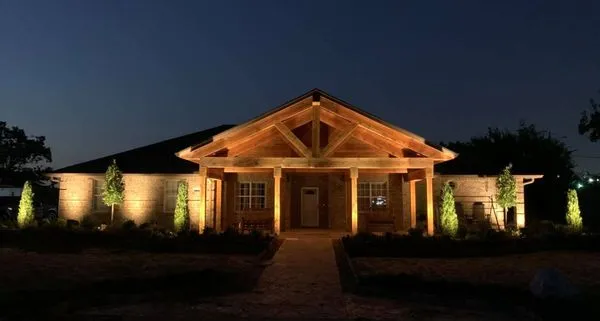
Bradshaw Landscaping
Bradshaw Landscaping in Deer Park, TX, is a locally owned and operated landscape design company that specializes in creating and maintaining beautiful, functional outdoor spaces for both residential a...
Deer Park Lawnmower is your trusted local source for lawn and garden equipment in Deer Park, Texas. We specialize in sales and repairs for all makes and models of mowers, edgers, and chainsaws, offeri...
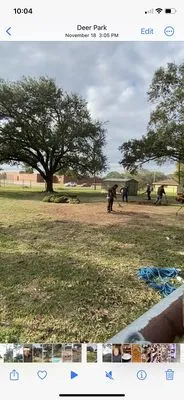
Monster Tree Service of Texas Gulf Coast in Deer Park, TX provides comprehensive tree and lawn care services for residential and commercial properties. Our trained crews handle everything from routine...

Gutierrez Landscaping is a trusted, local landscaping company serving homeowners in Deer Park, TX. We understand the specific challenges faced in our area, such as persistent weed infestations and pro...
Lacy Hollow Landscaping is a trusted local landscaping company serving Deer Park, TX, dedicated to maintaining and enhancing outdoor spaces. We specialize in addressing common local issues like dying ...
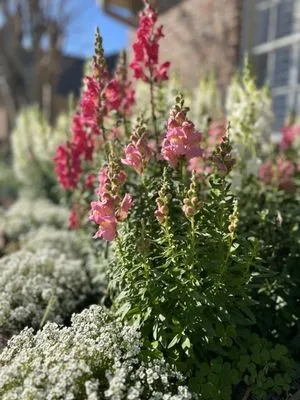
Martin Land Design is a Deer Park-based residential landscape design and installation company with over 18 years of experience serving the Greater Houston Area. We specialize in creating beautiful, un...

Powerhouse Lawn Care is a locally owned and operated full-service lawn care provider serving La Porte, Deer Park, and Clear Lake. We specialize in comprehensive lawn and landscape solutions, using all...
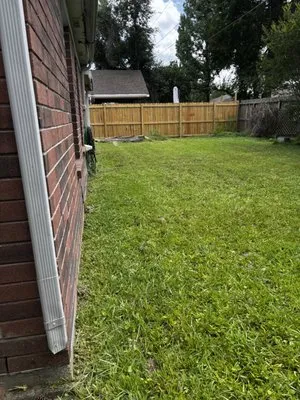
Tidy Turf Technician is a Deer Park-based lawn care and pet waste removal service dedicated to keeping local yards clean, healthy, and enjoyable. We specialize in professional pet waste removal starti...
Bradshaw Landscaping is a trusted, locally-owned landscaping company serving Deer Park, TX, and the surrounding communities. We specialize in professional gardening and comprehensive landscape mainten...
Angels Landscaping Services is a trusted local landscaping company serving Deer Park, TX, and surrounding areas. We specialize in addressing common local landscaping challenges, particularly soil comp...
FAQs
What are the biggest weed threats here, and how do I deal with them safely?
Invasive species like common Bermuda grass and nutsedges are prevalent in compacted clay. Manual removal and targeted pre-emergent herbicides applied in early spring are most effective. Crucially, any fertilizer used within 50 feet of a storm drain must be phosphorus-free to comply with local ordinance. Building robust soil health through organic amendments is the best long-term defense, as it helps desired plants outcompete weeds naturally.
I'm tired of weekly mowing and blowing. Are there lower-maintenance options?
Replacing high-input turf with a xeriscape of native plants drastically reduces maintenance. Species like Gulf Muhly, Turk's Cap, and American Beautyberry are adapted to Zone 9b, requiring minimal water once established and no regular mowing. This transition also future-proofs your landscape against evolving noise ordinances, as it eliminates the need for frequent gas-powered blower use. The resulting habitat supports local biodiversity and pollinator populations.
How can I keep my St. Augustine grass alive during summer without wasting water?
Effective irrigation in Stage 1 voluntary conservation requires precision. Wi-Fi ET-based systems use local weather data to apply water only when evapotranspiration demands it, preventing overwatering. For St. Augustine on clay soil, this typically means 1-1.5 inches per week delivered in two deep cycles to encourage root growth. This method can reduce water use by 20-30% compared to traditional timers while maintaining turf health within municipal guidelines.
Should I use wood or stone for a new patio?
For durability in our climate, inorganic materials like crushed limestone or concrete pavers outperform wood. They resist rot, insect damage, and the swelling common with our clay soils. From a Firewise perspective, creating defensible space with non-combustible hardscape is a prudent mitigation in this Moderate Urban Interface rating zone. These materials also provide superior permeability compared to solid concrete, aiding in water management.
Our soil feels like concrete. Is this just how Deer Park yards are?
Soil compaction is a predictable outcome for homes built in the early 1980s, which includes many lots in The Center Street District. With 45 years of development pressure, the native Lake Charles Clay has become dense and impermeable. This soil type naturally has a high pH of 7.2 to 7.8, which can lock up essential nutrients. Annual core aeration and incorporating 3-4 inches of composted organic matter are required interventions to rebuild soil structure and biology.
What permits and credentials should I verify before hiring for a major grading project?
Any significant alteration of land contours on a 0.22-acre lot typically requires a grading permit from the Deer Park Planning & Development Department. You must hire a contractor licensed by the Texas Department of Licensing and Regulation (TDLR) for irrigation work. For engineered drainage solutions or retaining walls over a certain height, a professional engineer's stamp may be necessary. Always request proof of licensing and insurance before work begins.
We have a downed tree from a storm. What's your emergency response time?
For urgent situations like storm debris blocking access or creating a hazard, we dispatch a crew within the hour. Our standard route from our staging area near Dow Park uses TX-225 for direct access, ensuring arrival at most Deer Park properties within 15-20 minutes, even during peak traffic. We prioritize safety assessments and initial cleanup to secure the property, followed by a full debris removal plan compliant with city ordinances.
My yard holds water for days after a rain. What's the best long-term fix?
Persistent pooling indicates the poor infiltration rate of Lake Charles Clay. The primary solution is to redirect water away from foundations using graded swales or French drains. For hardscape areas, specifying permeable materials like crushed limestone or certain concrete pavers increases ground absorption. These systems often require a permit from the Deer Park Planning & Development Department to ensure they meet current stormwater runoff management standards.
