Top Landscaping Services in Brownsville, TX, 78520 | Compare & Call

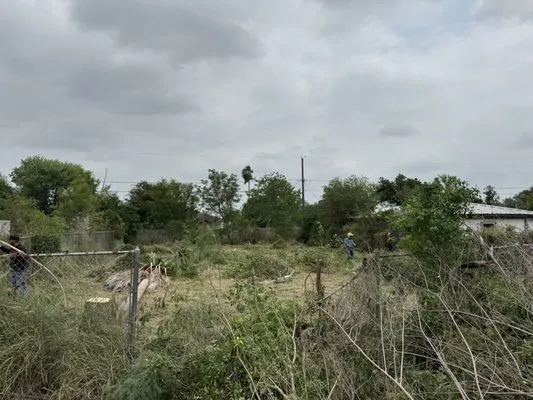
Jireh Tree & Landscaping Services is a Brownsville-based company specializing in comprehensive landscaping and tree care. We provide expert gardening, landscape design, construction, and maintenance, ...

JAC Lawncare Service is a trusted, local provider in Brownsville, TX, specializing in comprehensive lawn and tree care. We understand the unique challenges Brownsville properties face, especially comm...

Evergreen Landscape & Irrigation is a Brownsville-based company dedicated to enhancing and maintaining the curb appeal and health of local properties. We specialize in addressing the common South Texa...
Oliver Landscaping
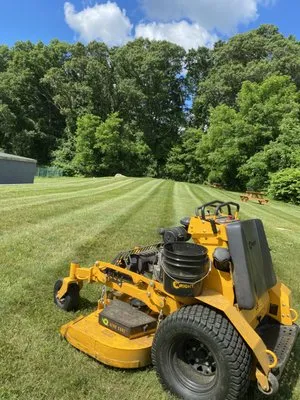
Oliver Landscaping is a Brownsville-based design and maintenance firm dedicated to enhancing outdoor spaces in the Rio Grande Valley. We specialize in custom landscape and greenscape design, along wit...
T Rex Dump Trucks
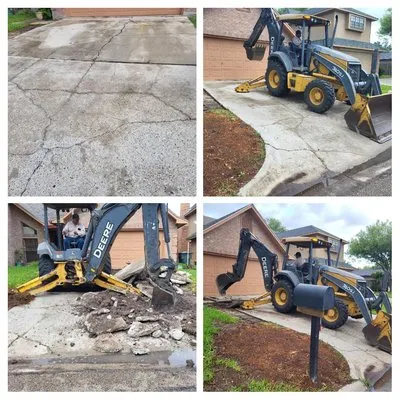
T Rex Dump Trucks is a Brownsville-based contractor providing essential earthmoving, demolition, and landscaping services for homeowners and businesses across the Rio Grande Valley. We handle projects...
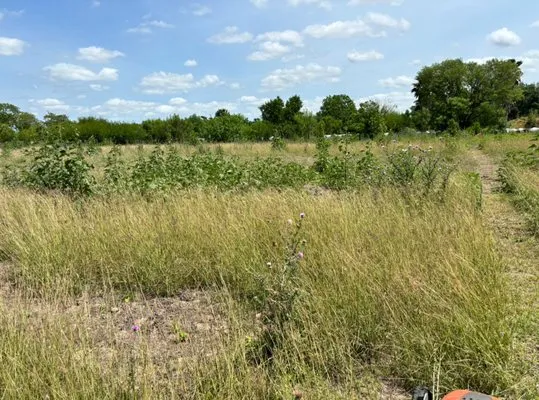
Gracias’ Lawn Service is a Brownsville-based lawn care provider dedicated to personalized, eco-friendly solutions for local homeowners. We specialize in customized lawn care tailored to each property'...

Tiledge Lawn Care is a Brownsville-based lawn service provider dedicated to enhancing the beauty and value of local properties. We focus on reliable, punctual service, clear communication, and work th...
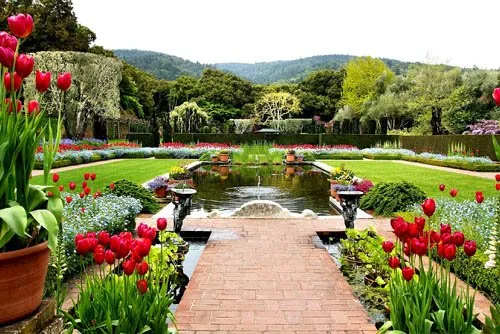
My name is Josué Ortiz, the owner of Josue's Landscaping. It's a pleasure to help you, and thank you for your trust. What started as a two-person operation has, by the grace of God, grown into a dedic...
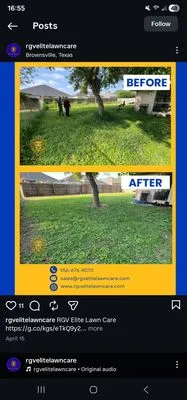
RGV Elite Lawn Care was founded in Brownsville with a single push mower and a deep-seated commitment to hard work. What started as a determined side hustle, fueled by long days under the Texas sun, gr...
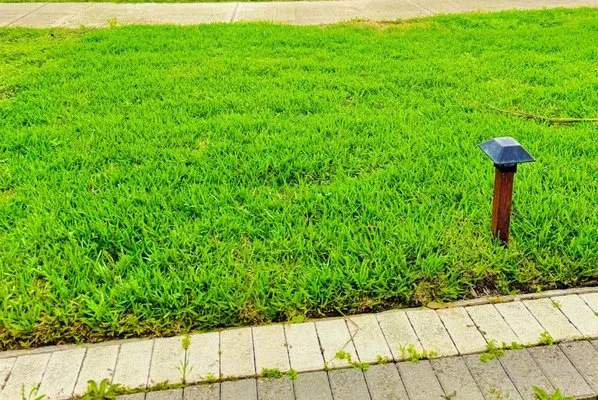
J.I.J. Lawn Care Company is a locally owned and operated business based right here in Brownsville, TX. Founded to bring reliable, professional lawn and tree care to the Rio Grande Valley, our team com...
Common Questions
What are low-maintenance alternatives to my high-water-use lawn?
Transitioning to a xeriscape with native plants like Anacua, Turk's Cap, and Gulf Muhly drastically reduces water, mowing, and chemical inputs. These species are adapted to our Zone 9b climate and alkaline soils, requiring minimal supplemental irrigation once established. This shift also future-proofs your property against evolving noise ordinances that restrict gas-powered blowers and mowers, as native plantings generate less debris.
How can I keep my St. Augustine lawn alive during voluntary water restrictions?
Stage 1 conservation in Brownsville necessitates precision watering. Wi-Fi ET-based weather-sensing controllers are critical; they automatically adjust schedules based on real-time evapotranspiration data, preventing overwatering. For Clay Loam soils, this technology supports deep, infrequent irrigation cycles that encourage stronger root growth. This method maintains turf health while demonstrably reducing potable water use, aligning with municipal conservation goals.
Are permeable pavers a better long-term choice than wood decking?
For longevity and fire safety, permeable concrete pavers are superior. They do not rot, warp, or attract termites like wood, and their installation base provides exceptional stability in our expansive clay soils. In the Urban Interface zone with a Moderate Fire Wise rating, pavers create a defensible, non-combustible space adjacent to structures, a key consideration for risk mitigation that wood cannot fulfill.
How quickly can you respond for an emergency cleanup or to address an HOA violation notice?
Our dispatch for Historic Downtown prioritizes a rapid 20-30 minute response during peak operational hours. Crews are staged near key corridors like Dean Porter Park, allowing for efficient routing onto I-69E. This logistical planning ensures we can address time-sensitive issues, such as storm debris clearance or mowing compliance, within the same business day to mitigate fines or safety hazards.
My yard floods after heavy rains. What's a permanent solution?
Persistent pooling is a direct result of high runoff from Clay Loam's poor permeability. Installing a French drain system coupled with regrading to direct flow is the primary fix. For hardscape areas, specifying permeable concrete pavers significantly increases surface infiltration. These solutions collectively manage stormwater on-site, which is a key standard for Brownsville Planning and Redevelopment Services to reduce strain on the city's drainage infrastructure.
Why does my soil seem so hard and compacted compared to newer neighborhoods?
Brownsville's Historic Downtown area features homes averaging 32 years of age. Over decades, construction activity, foot traffic, and the inherent properties of our region's Clay Loam soil have significantly reduced its permeability. This soil type naturally compacts over time, limiting oxygen and water infiltration to plant roots. Core aeration and incorporating organic compost are not just beneficial but essential practices to rebuild soil structure and support healthy landscapes in established lots.
What permits and contractor qualifications are needed for regrading my yard?
Any significant alteration of drainage patterns or grade on a 0.15-acre lot typically requires a permit from Brownsville Planning and Redevelopment Services. The contractor must hold appropriate licensing from the Texas Department of Licensing and Regulation, which ensures they understand soil mechanics, local codes, and erosion control measures. This is not discretionary work; improper grading can create liability by redirecting water onto neighboring properties.
What invasive species should I watch for, and how do I control them safely?
Vigilance is required for invasive grasses like Guineagrass and woody species like Brazilian Pepper tree. Manual removal is effective for young plants, while targeted, systemic herbicides may be necessary for mature specimens. Any chemical application must strictly follow the Texas Statewide Stormwater Management Program, avoiding phosphorus-containing products and adhering to seasonal blackout dates near waterways to protect our watersheds.
