Top Landscaping Services in Baytown, TX, 77520 | Compare & Call

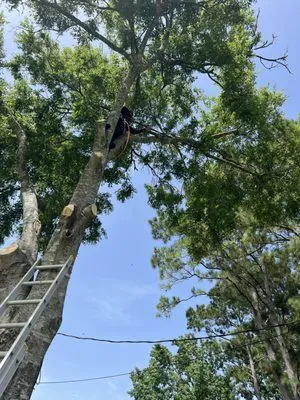
As a family-owned tree service and landscaping business serving Baytown, TX, we understand the unique challenges homeowners face in our community. From tree root damage disrupting lawns to irrigation ...
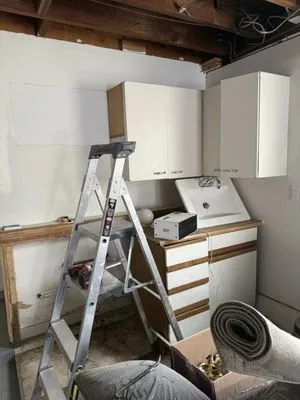
De Silva And Sons Handyman LLC is a family-owned business serving Baytown and the surrounding Bay Area. Founded by Claude and his family, we take pride in providing punctual, professional, and reliabl...
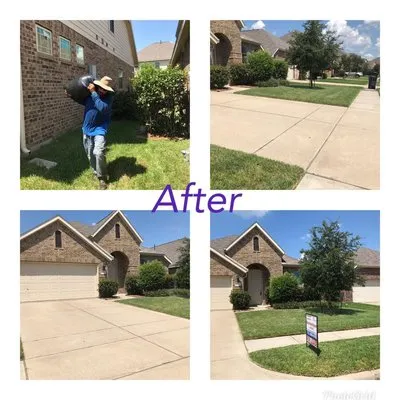
Ephesians Lawncare is a trusted local lawn service provider in Baytown, TX, dedicated to maintaining and restoring the health and beauty of your property. We understand the common local challenges hom...

Baytown Tree Care is a partnership built on a combined decade of hands-on experience in landscape construction and arboriculture. Founded by Ryan and his partner, the business was born from a shared v...
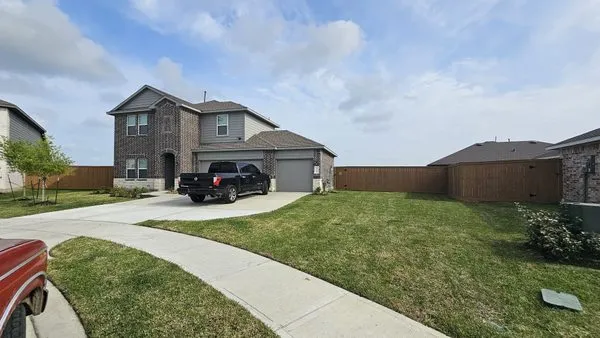
MVP Lawncare Services is a trusted local lawn care provider in Baytown, TX, specializing in comprehensive lawn maintenance and problem-solving for homeowners. We understand that Baytown residents ofte...

Michael's Irrigation & Landscape is a Baytown, TX-based company dedicated to creating and maintaining healthy, beautiful outdoor spaces for local homeowners. We specialize in both irrigation and lands...

Superb Lawn & Tree Service is a trusted Baytown, TX provider specializing in comprehensive lawn and tree care solutions. We help homeowners tackle common local landscaping challenges like lawn fungus ...
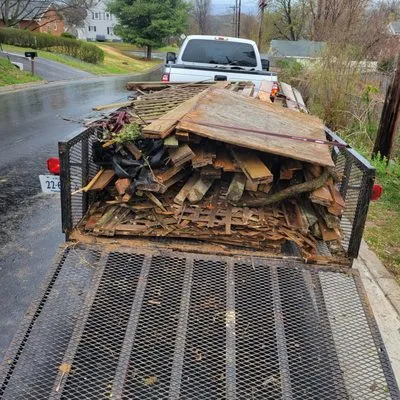
Henry Landscape Services is a full-service landscaping company proudly serving Baytown, Texas. We specialize in comprehensive solutions for both residential and commercial properties, from initial des...
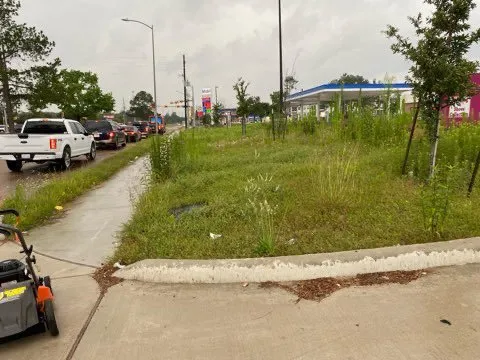
Oscar Landscaping is a Baytown-based landscaping and tree service company dedicated to enhancing outdoor spaces across the community. We specialize in comprehensive solutions including landscape desig...

Ybarra Lawn Services is a trusted, locally-owned lawn care provider in Baytown, TX, dedicated to solving the specific landscaping challenges homeowners face in our area. We specialize in comprehensive...
Common Questions
Our yard's soil is so compacted and sticky. Is this normal for our area?
Yes, this is a standard condition for homes in the Highlands neighborhood. With an average construction year of 1981, the soil profile has had 45 years to mature, resulting in a dense layer of Lake Charles Clay. This vertisol is high in shrink-swell capacity, leading to poor percolation and surface cracking. Core aeration and the addition of 3-4 inches of composted organic matter are necessary to rebuild soil structure and support healthy root zones.
My backyard floods after every heavy rain. What's the solution?
This is a direct result of poorly drained vertisols, or Lake Charles Clay, which have very low permeability. The primary correction involves regrading to create positive slope away from foundations and installing French drains or dry creek beds to intercept runoff. Using permeable materials like crushed granite for patios or walkways increases ground absorption. These strategies are designed to meet Baytown Planning & Development Services' stormwater runoff standards.
What are the biggest weed threats here, and how do I handle them?
In Baytown's Zone 9b, invasive alerts include Bermuda grass encroachment and nutsedges. Treatment requires a targeted, seasonal approach with pre-emergent and post-emergent herbicides chosen for their specificity. Crucially, all fertilizer applications must adhere to the local ordinance prohibiting phosphorus unless a soil test confirms a deficiency. This ensures effective control without contaminating runoff into the nearby nature center watershed.
I'm tired of constant mowing and blowing. Are there lower-maintenance options?
Absolutely. Transitioning to a climate-adaptive landscape centered on native species like Gulf Muhly, American Beautyberry, and Yaupon Holly drastically reduces maintenance. These plants require no supplemental irrigation once established and create habitat, supporting 2026 biodiversity goals. This shift also future-proofs your property against evolving noise ordinances that restrict gas-powered blowers and mowers.
Is crushed granite a good choice for a patio compared to wood or concrete?
Permeable crushed granite is an excellent choice for our environment. Unlike wood, it does not rot, warp, or attract termites, and it provides superior permeability compared to solid concrete, directly addressing local drainage hazards. Its light color reduces heat island effect. For properties in the Moderate Wildland-Urban Interface fire risk zone, it also provides a non-combustible, defensible space material that meets Fire Wise recommendations.
What permits or licenses are needed to regrade my yard?
Any significant grading or drainage work on a 0.22-acre lot typically requires a permit from Baytown Planning & Development Services to ensure compliance with erosion control and runoff regulations. The contractor performing the work must be licensed by the Texas Department of Licensing and Regulation (TDLR). This is critical, as improper grading can create negative drainage impacts on neighboring properties, leading to liability issues.
How quickly can you respond to an emergency like a storm-downed tree?
Our peak storm response time for the Highlands is 25-35 minutes. Our dispatch routes from our central staging area near the Baytown Nature Center, utilizing TX-146 for direct access. We maintain an electric fleet compliant with Baytown's noise ordinance, allowing for immediate deployment before 7 AM if needed for safety. This protocol is designed for rapid HOA compliance and hazard mitigation.
How can I keep my St. Augustine lawn alive during water restrictions?
Effective irrigation under Stage 1 voluntary conservation requires precise scheduling. We program Wi-Fi, ET-based weather-sensing controllers to deliver water only when evapotranspiration data indicates a need, typically in the early morning. This method applies water at a rate the Raleigh variety St. Augustine can absorb, minimizing runoff. It maximizes turf health while keeping usage well within municipal guidelines, often reducing consumption by 20-30%.
