Top Landscaping Services in Harrison, TN, 37341 | Compare & Call

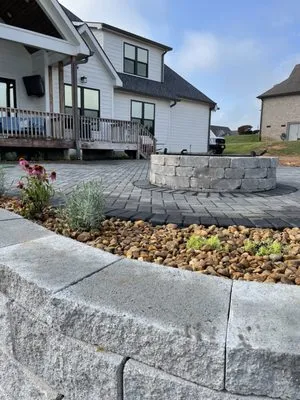
Harvest Outdoors is a full-service landscaping, excavation, and masonry contractor serving Harrison, TN. We specialize in transforming outdoor spaces and providing essential groundwork for residential...
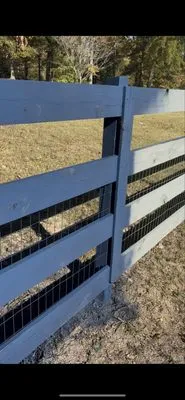
Topside in Harrison, TN is a trusted local contractor specializing in demolition, flooring, and landscaping services. We provide comprehensive solutions for homeowners and businesses, from excavation ...

ABC Tree Service is a trusted local provider of comprehensive tree and landscaping solutions in Harrison, TN. We specialize in landscape maintenance, tree care, pruning, removal, and stump removal to ...

The Lawn Barber of Chattanooga, LLC is a trusted, local landscaping service based in Harrison, Tennessee, serving both Harrison and Ooltewah for over 14 years. We are committed to honest, reliable wor...

J.P Landscaping and excavation
J.P Landscaping and Excavation is a trusted, full-service contractor serving Harrison, TN, and the surrounding areas. We specialize in demolition services, lawn care, and excavation, offering everythi...

Chattanooga Landscapes & Pressure Washing Inc
For over 15 years, Chattanooga Landscapes & Pressure Washing Inc has been a trusted local presence in Harrison, dedicated to providing reliable landscaping and cleaning services for both homes and bus...

Complete Maintenance is your trusted local handyman and landscaping service in Harrison, TN, specializing in drywall installation and repair, cabinet repair, door repair, and general handyman repairs....
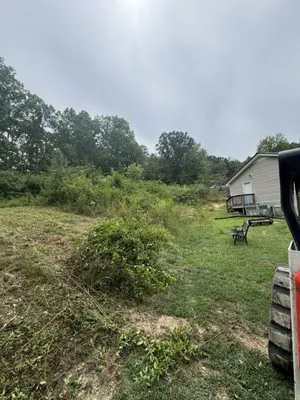
Artistic Lawn Care Tree Solutions is a trusted, full-service provider in Harrison, TN, specializing in tree services, lawn care, and dumpster rental. We help local homeowners and businesses maintain b...
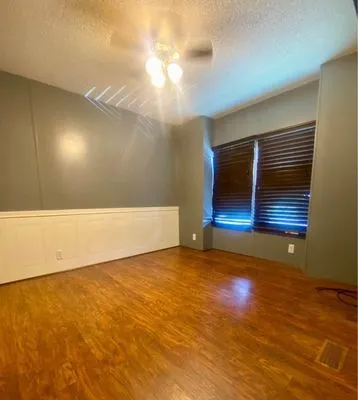
Liners Landscaping serves the Harrison, TN, community with expert lawn care and irrigation solutions. We understand the specific challenges local homeowners face, such as destructive lawn fungus and d...
AMC Illuminations & Landscape is a trusted Harrison, TN business specializing in landscaping and lighting solutions. We help local homeowners tackle common yard problems like dead lawn areas and poor ...
Question Answers
My lawn seems thin and compacted. Is this normal for my property's age?
Properties in Harrison Bay, with an average construction date of 1979, have soils with 47 years of post-construction maturity. Acidic Ultisols with a pH of 5.5-6.5 are common; decades of foot traffic and conventional maintenance have likely depleted organic matter and increased compaction in the clay-heavy subsoil. This reduces soil percolation and root penetration. Core aeration followed by top-dressing with compost is a foundational practice to rebuild soil structure and biological activity for long-term health.
Is Tennessee Fieldstone a better choice than wood for a new patio?
For longevity and reduced maintenance, Tennessee Fieldstone is superior to wood. It is non-combustible, offers exceptional durability against weathering, and requires no sealing or replacement from rot. In our Moderate (WUI Zone 2) fire-wise rating area, using stone for patios or walkways also contributes to defensible space by creating a fire-resistant zone around structures, a key consideration for landscape planning in Harrison.
I have storm damage and need emergency cleanup to meet HOA rules. How quickly can a crew arrive?
For urgent HOA compliance or storm response, our dispatch from the Harrison Bay State Park area via TN-58 allows for a targeted 45-60 minute arrival during peak hours. We maintain dedicated electric equipment fleets that operate within the standard 7:00 AM to 9:00 PM noise ordinance window for immediate, quiet cleanup. This logistics model ensures rapid response to secure properties and mitigate further damage from downed limbs or debris.
Water pools near my foundation after every rain. What's the solution for our clay soil?
High runoff in Harrison is primarily due to the low permeability of our acidic, clay-heavy Ultisols. Solving this requires intercepting and redirecting water flow before it saturates. Installing a French drain system or dry creek bed using permeable Tennessee Fieldstone can effectively manage sheet flow. These solutions often meet Hamilton County Development Services' stormwater runoff standards by increasing infiltration and reducing erosion on your 0.45-acre lot.
How can I keep my Tall Fescue lawn healthy with possible summer water restrictions?
Smart Wi-Fi controllers with integrated soil moisture sensors are critical for conservation. These systems use local evapotranspiration (ET) data and real-time soil readings to deliver water only when and where your cool-season Tall Fescue truly needs it, preventing overwatering. This technology often keeps irrigation within the 'Normal' usage tiers monitored by Tennessee American Water, even during dry spells, by aligning watering schedules precisely with plant demand and municipal guidelines.
What invasive species should I watch for, and how do I remove them safely?
Be alert for invasive plants like Japanese Knotweed or Chinese Privet, which threaten native ecosystems. Manual removal or targeted, systemic herbicide applications applied at the correct growth stage are most effective. Any treatment must adhere to Tennessee's BMPs for non-point source pollution, avoiding nitrogen and phosphorus runoff into watersheds. Proper timing and method prevent harm to non-target species like your Purple Coneflower or Oakleaf Hydrangea.
Do I need a permit to regrade my yard or build a retaining wall?
Yes. Significant grading or structural work like retaining walls on a 0.45-acre lot typically requires a permit from Hamilton County Development Services. State law also mandates that any contractor performing this work must hold the appropriate licensing through the Tennessee Department of Commerce and Insurance. This ensures the project adheres to engineering standards for erosion control and structural safety, protecting your property and complying with local codes.
I'm tired of weekly mowing. Are there lower-maintenance, eco-friendly options?
Replacing high-input turf areas with a native plant community is a forward-thinking strategy. Species like Eastern Redbud, Switchgrass, and Butterfly Weed are adapted to Zone 7b conditions, requiring minimal water, no regular mowing, and supporting local biodiversity. This xeriscaping approach also future-proofs your landscape against evolving noise ordinances targeting gas-powered blowers and mowers, creating a resilient, quiet habitat.
