Top Landscaping Services in Blountville, TN, 37617 | Compare & Call

Crooked Road Landscape Management is a licensed and insured solo lawn care business based in Blountville, TN, dedicated to serving the Kingsport/Blountville area. We take pride in providing reliable, ...
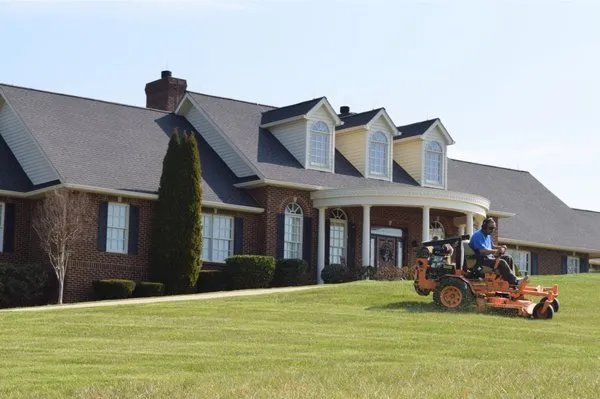
A Cut Above Lawncare is a family-owned and operated lawn care and landscaping company proudly serving residential and commercial clients in Blountville and across East Tennessee since 2009. As a fully...
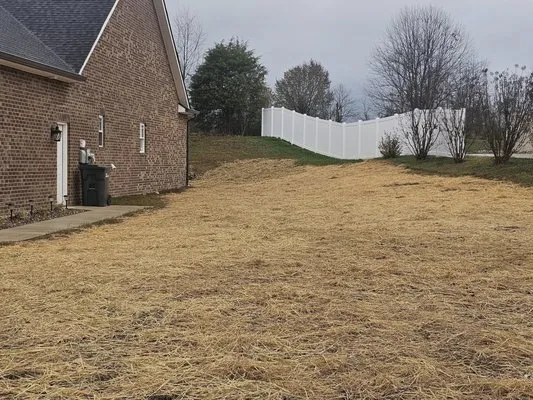
Dirtwerx is a Blountville-based excavation, masonry, and landscaping company serving the local community with comprehensive earthwork solutions. We specialize in soil backfilling and compaction, earth...
Blountville Lawn Worx is a trusted local lawn care provider serving Blountville, TN, and the surrounding areas. We specialize in comprehensive lawn care services designed to keep your property healthy...

Dakota's Home & Lawn Care is your trusted local expert in Blountville, TN, providing comprehensive solutions for your property's exterior needs. We specialize in lawn care, gutter services, and window...

New Covenant Lawn Care is a locally owned and operated lawn service in Blountville, founded by Aaron with over a decade of hands-on experience in the Tri-Cities area. After contributing to and managin...
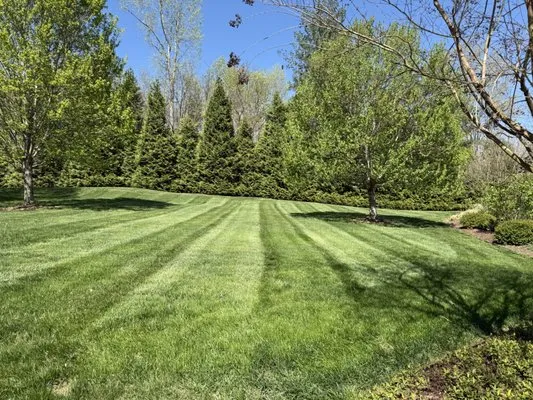
With 25 years of dedicated service to Blountville and the surrounding region, Sophisticated Goat is a trusted local name in property enhancement. Founded on a commitment to client satisfaction, we bri...
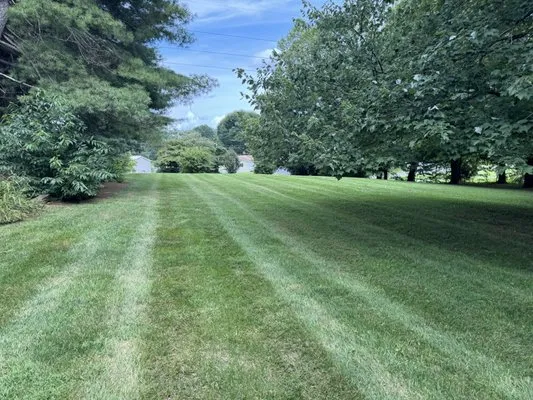
A.C.E. Lawn Services started as a neighborhood mowing business in Blountville with a single push-mower and has grown into a trusted local provider of comprehensive lawn and landscape care. We are dedi...
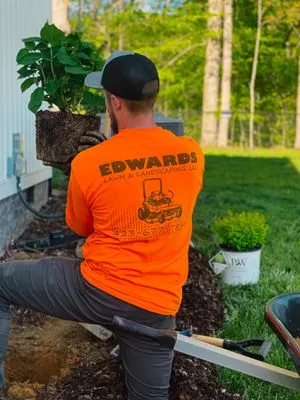
Edwards Lawn and Landscaping is a trusted local lawn service provider in Blountville, TN, specializing in comprehensive lawn care solutions. We understand the common landscaping challenges faced by ho...
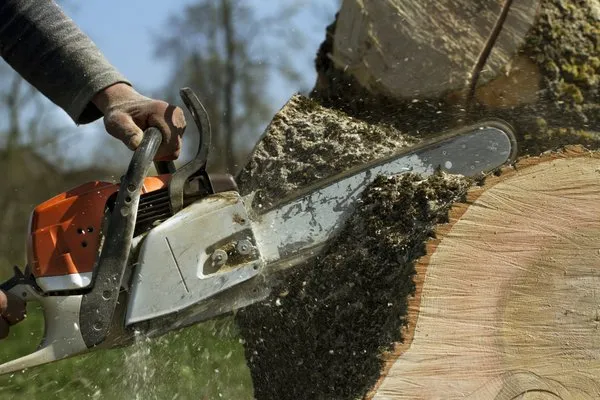
Green Guys Services is your trusted, local partner for comprehensive outdoor solutions in Blountville, TN. Specializing in tree care, landscaping, and excavation, we address the specific challenges Tr...
Q&A
How do you program an irrigation system to save water without killing the grass?
Effective irrigation in USDA Zone 7a requires an ET-based, weather-sensing controller. These Wi-Fi systems adjust run times daily based on local evapotranspiration data, preventing overwatering during humid periods and providing deeper, less frequent cycles for Tall Fescue's root zone. Even with no current municipal restrictions, this technology can reduce potable water use by 20-30%. It directly targets soil moisture deficits rather than operating on a fixed schedule.
Why does my lawn have such poor drainage and compacted soil?
This is a common condition for lots in the Blountville Historic District, where homes were often built on the area's native acidic clay loam. The average 52-year-old soil profile, established around 1974, has lost significant organic matter and structure due to decades of standard maintenance. This low permeability layer causes seasonal saturation and inhibits root growth. Core aeration followed by incorporating 1-2 inches of compost is the foundational step to rebuild soil tilth and microbial activity.
Do I need a permit to regrade my half-acre lot or build a large patio?
Yes, significant earth movement or impervious surface installation typically requires a permit from Sullivan County Planning & Codes. Regrading a 0.50-acre lot can alter drainage patterns affecting neighboring properties, triggering review. Furthermore, any contractor performing this work must hold appropriate licensing through the Tennessee Department of Commerce and Insurance. This ensures they carry required insurance and adhere to state building and environmental standards, protecting your investment.
What should I do about invasive weeds like Japanese Knotweed or Chinese Privet?
Invasive species are a persistent threat in Sullivan County. Correct identification is critical, as treatment windows and methods vary. For most woody invasives, a targeted cut-stump herbicide application in late summer is effective, strictly following state BMP guidelines to avoid nitrogen application to frozen ground. For perennial herbs, repeated foliar sprays may be necessary. Always use a licensed applicator to ensure safe, legal, and effective eradication that protects native plant communities.
My yard stays soggy for days. What's a long-term solution that looks good?
Seasonal saturation is typical for Blountville's clay loam soils. The primary solution is to redirect and infiltrate runoff before it pools. A tiered approach using French drains tied to dry creek beds constructed with permeable Tennessee fieldstone is highly effective. This hardscape meets Sullivan County Planning & Codes standards for stormwater management by increasing on-site infiltration. Strategic grading to create subtle swales can further channel water away from foundations.
Is Tennessee fieldstone or pressure-treated wood better for a patio or retaining wall?
Tennessee fieldstone offers superior longevity and permeability compared to wood, which will decay and require replacement. The stone's natural thermal mass moderates temperature extremes, and its installation creates a permanent, zero-maintenance structure. For properties in moderate Firewise zones, stone provides critical non-combustible defensible space immediately adjacent to structures. Its local sourcing and durability make it a sustainable choice that integrates seamlessly with the regional aesthetic.
How quickly can you respond to an emergency like a downed tree after a storm?
Our standard emergency response protocol for the Blountville area is a 20-30 minute arrival during peak conditions. Our dispatch is coordinated from the Sullivan County Courthouse area, allowing for rapid access to I-81 to service neighborhoods throughout the county. This timing accounts for traffic and immediate safety assessments. We maintain an electric fleet of chippers and hauling vehicles to comply with local noise ordinances while enabling rapid deployment.
What are the best low-maintenance plants to replace some of my lawn?
Transitioning to a climate-adaptive landscape means using regionally native species like Purple Coneflower, Switchgrass, and Serviceberry. These plants are evolved for our acidic soil and require no supplemental irrigation once established, sharply reducing mowing and gas-blower use. This approach proactively addresses evolving noise ordinances and creates a resilient, biodiverse habitat. A phased conversion also builds defensible space aligned with Firewise USA community standards.
