Top Landscaping Services in Plumcreek, PA, 15732 | Compare & Call
There are 184 landscaping companies server in Plumcreek PA
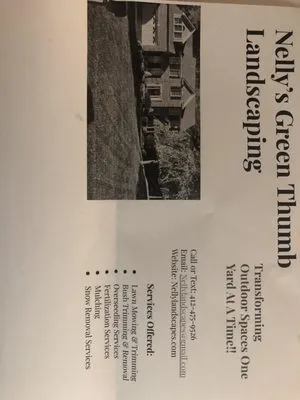
Nelly's Green Thumb Landscaping is a dedicated, locally-owned landscaping company serving Cranberry Township and the surrounding communities. With a deep understanding of Western Pennsylvania's unique...
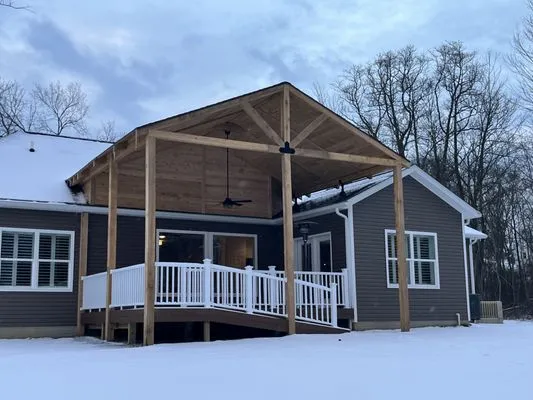
Finley's Outdoor Features
Finley's Outdoor Features is a locally owned and operated business in Fredonia, PA, founded by Josh Finley in 2012. Starting as a one-person operation serving the immediate area, the company has grown...
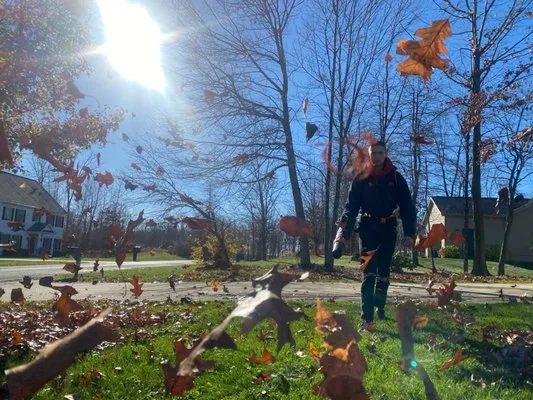
Didn't Wanna Do It Done is a trusted Slippery Rock, PA contractor specializing in landscaping, painting, and pressure washing services. We help homeowners address common local landscaping issues like ...
Joey Joe's Lawn Care is a trusted local lawn service provider in Wexford, PA, dedicated to keeping your outdoor spaces beautiful and functional. We specialize in comprehensive lawn care solutions that...
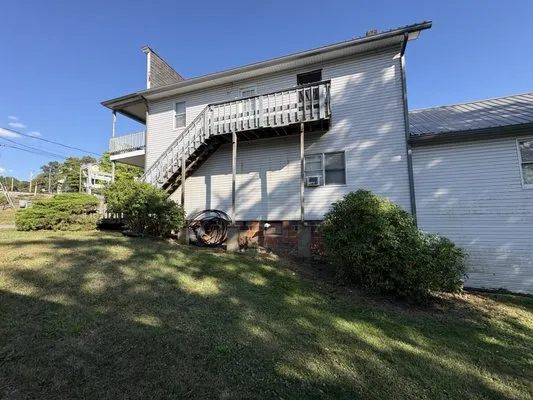
Jr's Landscaping is your trusted, local lawn care expert in Valencia, PA. We specialize in the comprehensive care needed to tackle the specific challenges homeowners in our area face, such as stubborn...

Jay's Task Force is a trusted, licensed handyman service in South Heights, PA, offering reliable solutions for home maintenance and outdoor care. With a focus on quality work and local expertise, we h...
Derek's Grass Cutting Service is a locally-owned lawn maintenance provider serving Butler, PA, and surrounding communities. We specialize in comprehensive lawn care solutions for both residential and ...

Darnley Developing is a trusted Georgetown, PA business specializing in junk removal, hauling, pressure washing, and lawn services. We help local residents and businesses manage waste responsibly with...
Next Generation Renovations is a Pittsburgh-based general contractor specializing in comprehensive home transformations. With extensive experience in roofing, landscaping, and renovations, we provide ...
DFanc Contractors in Braddock, PA is a family-owned business continuing the legacy of Donald ""Stuck in the Mudd"" Fancher. We provide comprehensive home improvement services with the quality and reli...
Estimated Landscaping Service Costs in Plumcreek, PA
Common Questions
How quickly can you respond to an emergency tree cleanup after a storm?
Emergency storm response from Plum Creek Community Park via PA-28 typically requires 45-60 minutes during peak traffic conditions. Our electric maintenance fleet operates within Plumcreek's 8:00 PM to 7:00 AM noise ordinance restrictions. We prioritize HOA compliance situations with same-day assessment when safety hazards exist. Route optimization accounts for seasonal traffic patterns along major corridors.
What solutions exist for moderate runoff problems in my yard?
Seasonal soil saturation in acidic silty clay loam requires improved permeability through subsurface drainage systems. Permeable clay pavers installed with proper base materials increase infiltration rates by 50-70% compared to conventional surfaces. These installations meet Plum Borough Planning & Zoning Department runoff standards while addressing moderate drainage hazards. French drains connected to rain gardens provide additional capacity for heavy precipitation events.
Why does my Plum Creek Estates lawn have drainage issues and compacted soil?
Plum Creek Estates properties average 58 years since construction in 1968, resulting in mature acidic silty clay loam soil with pH 6.2. This soil type naturally compacts over decades, reducing percolation rates and creating seasonal saturation. Core aeration with organic amendments like composted leaf mold improves soil structure and permeability. Addressing this compaction now prevents long-term drainage problems common in established neighborhoods.
What invasive species should I watch for in Plumcreek, and how do I manage them safely?
Japanese knotweed and garlic mustard present significant invasive threats in USDA Zone 6b. Treatment requires Pennsylvania Department of Agriculture licensed pesticide applicators following the Pennsylvania Fertilizer Act nutrient management regulations. Mechanical removal before seed set proves most effective for small infestations. Avoid treatments during blackout dates specified in local ordinances to prevent groundwater contamination.
Are permeable clay pavers better than wood for patio construction?
Permeable clay pavers offer superior longevity with 40+ year lifespans versus wood's 15-25 year maximum in Plumcreek's climate. Their non-combustible nature supports low fire-wise ratings in urban-suburban interfaces. Clay pavers maintain structural integrity through freeze-thaw cycles while providing necessary permeability for drainage. Unlike wood, they require no chemical treatments that might conflict with fertilizer ordinances.
How do I maintain Kentucky Bluegrass and Fine Fescue during dry periods without violating water restrictions?
Wi-Fi ET-based weather sensing irrigation systems calculate evapotranspiration rates specific to Plumcreek's USDA Zone 6b conditions. These systems apply water only when turfgrass requires moisture, typically reducing consumption by 30-40% compared to traditional timers. Voluntary conservation measures align with municipal water limits while preserving turf health. Proper scheduling prevents overwatering that exacerbates soil saturation in acidic silty clay loam.
What permits and licenses are needed for grading work on my 0.35-acre property?
Grading projects exceeding 100 square feet require Plum Borough Planning & Zoning Department permits to ensure proper erosion control. Pennsylvania Department of Agriculture pesticide applicator licensing becomes necessary if soil amendments contain regulated materials. Professional grading contractors must carry specific insurance for properties of this size. These requirements prevent sedimentation runoff into Plum Creek watershed systems.
Can I reduce maintenance while supporting local biodiversity?
Replacing high-maintenance turf with Eastern Redbud, Purple Coneflower, Switchgrass, and Wild Bergamot creates resilient landscapes requiring minimal intervention. These native species support 2026 biodiversity standards while eliminating weekly mowing from April through October. Electric maintenance equipment operates quietly within noise ordinance hours. Reduced turf areas decrease water demand and align with voluntary conservation initiatives.
