Top Landscaping Services in Plumcreek, PA, 15732 | Compare & Call
There are 184 landscaping companies server in Plumcreek PA
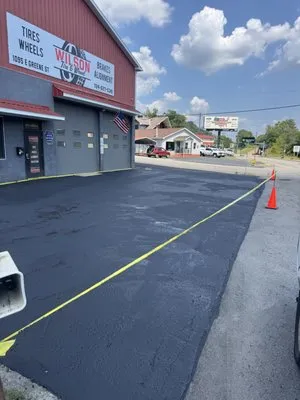
415 Handyman Services is a father-and-son team based in Fredericktown, PA, bringing over 30 years of combined experience to every project. We specialize in a wide range of services including handyman ...

D and E Landscaping Services is a trusted local landscaping company serving Spraggs, PA, and the surrounding areas. With expertise in everything from routine lawn care to complex landscape constructio...
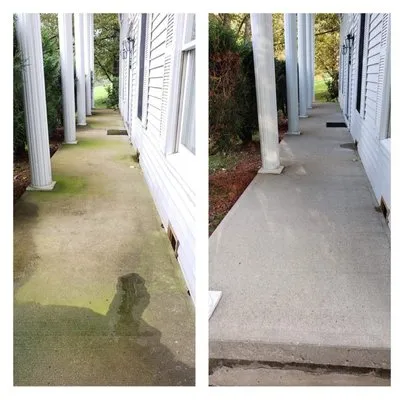
Expert Power Cleaning is your trusted, year-round outdoor service provider in Pittsburgh, PA. We understand the unique challenges of local homes, including soil compaction and standing water that can ...
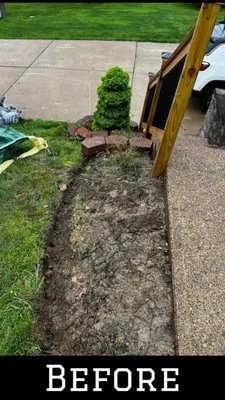
ND Landscaping is a locally owned and operated lawn service in Bethel Park, PA, founded by Dylan and Nate. With two years of combined experience in the landscaping industry, these dedicated students l...
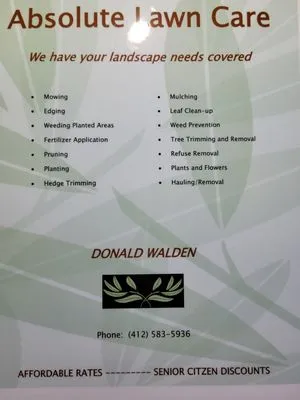
Absolute Lawncare is a trusted Pittsburgh-based landscaping company serving homeowners across Allegheny County. We specialize in comprehensive outdoor solutions including gardening, landscape maintena...
Veights Lawn & Home Services is a trusted, locally-owned provider helping Pittsburgh homeowners achieve a healthy, vibrant yard. We understand the common local challenges of patchy, thinning grass and...
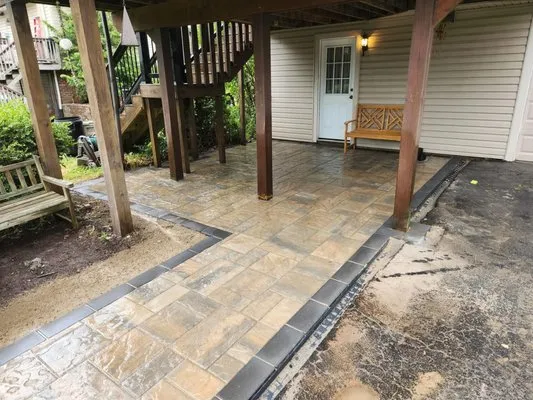
Stacked Hardscapes and Landscaping
Stacked Hardscapes and Landscaping is a full-service landscape and hardscape company founded in 2015 by Jason Roos and Adam Benson, both of whom brought extensive prior experience in the field. Initia...
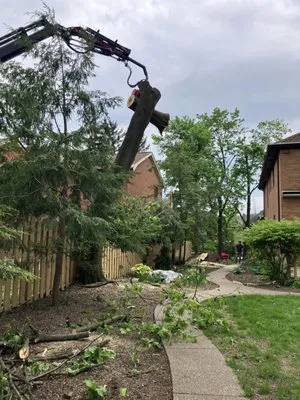
Keystone Tree Techs is a licensed and insured arborist service founded in 2006 by Michael Cashdollar, a USMC veteran and ISA certified arborist. With over 20 years of experience in tree care and lands...
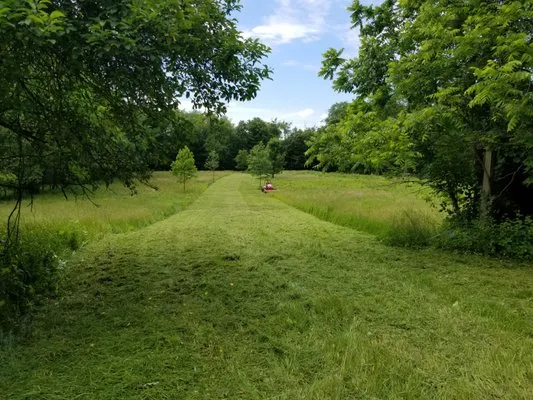
All Terrain Field And Brush Services is a Gibsonia-based land management provider serving the Greater Pittsburgh Area. Specializing in gardening and landscape maintenance, we handle challenging tasks ...
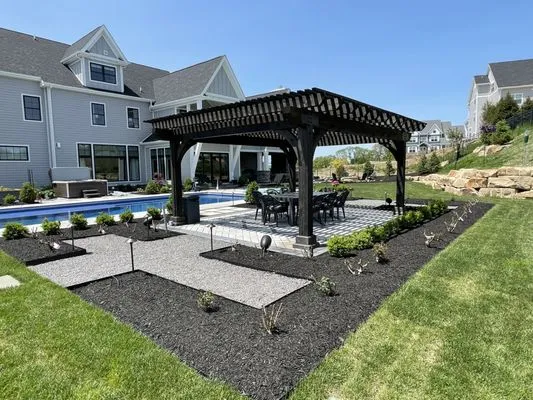
Living Spaces Outdoor Design is a Cranberry Township-based landscape firm founded in 2015, dedicated to planning and implementing comprehensive, custom outdoor solutions. We specialize in transforming...
Estimated Landscaping Service Costs in Plumcreek, PA
Common Questions
How quickly can you respond to an emergency tree cleanup after a storm?
Emergency storm response from Plum Creek Community Park via PA-28 typically requires 45-60 minutes during peak traffic conditions. Our electric maintenance fleet operates within Plumcreek's 8:00 PM to 7:00 AM noise ordinance restrictions. We prioritize HOA compliance situations with same-day assessment when safety hazards exist. Route optimization accounts for seasonal traffic patterns along major corridors.
What solutions exist for moderate runoff problems in my yard?
Seasonal soil saturation in acidic silty clay loam requires improved permeability through subsurface drainage systems. Permeable clay pavers installed with proper base materials increase infiltration rates by 50-70% compared to conventional surfaces. These installations meet Plum Borough Planning & Zoning Department runoff standards while addressing moderate drainage hazards. French drains connected to rain gardens provide additional capacity for heavy precipitation events.
Why does my Plum Creek Estates lawn have drainage issues and compacted soil?
Plum Creek Estates properties average 58 years since construction in 1968, resulting in mature acidic silty clay loam soil with pH 6.2. This soil type naturally compacts over decades, reducing percolation rates and creating seasonal saturation. Core aeration with organic amendments like composted leaf mold improves soil structure and permeability. Addressing this compaction now prevents long-term drainage problems common in established neighborhoods.
What invasive species should I watch for in Plumcreek, and how do I manage them safely?
Japanese knotweed and garlic mustard present significant invasive threats in USDA Zone 6b. Treatment requires Pennsylvania Department of Agriculture licensed pesticide applicators following the Pennsylvania Fertilizer Act nutrient management regulations. Mechanical removal before seed set proves most effective for small infestations. Avoid treatments during blackout dates specified in local ordinances to prevent groundwater contamination.
Are permeable clay pavers better than wood for patio construction?
Permeable clay pavers offer superior longevity with 40+ year lifespans versus wood's 15-25 year maximum in Plumcreek's climate. Their non-combustible nature supports low fire-wise ratings in urban-suburban interfaces. Clay pavers maintain structural integrity through freeze-thaw cycles while providing necessary permeability for drainage. Unlike wood, they require no chemical treatments that might conflict with fertilizer ordinances.
How do I maintain Kentucky Bluegrass and Fine Fescue during dry periods without violating water restrictions?
Wi-Fi ET-based weather sensing irrigation systems calculate evapotranspiration rates specific to Plumcreek's USDA Zone 6b conditions. These systems apply water only when turfgrass requires moisture, typically reducing consumption by 30-40% compared to traditional timers. Voluntary conservation measures align with municipal water limits while preserving turf health. Proper scheduling prevents overwatering that exacerbates soil saturation in acidic silty clay loam.
What permits and licenses are needed for grading work on my 0.35-acre property?
Grading projects exceeding 100 square feet require Plum Borough Planning & Zoning Department permits to ensure proper erosion control. Pennsylvania Department of Agriculture pesticide applicator licensing becomes necessary if soil amendments contain regulated materials. Professional grading contractors must carry specific insurance for properties of this size. These requirements prevent sedimentation runoff into Plum Creek watershed systems.
Can I reduce maintenance while supporting local biodiversity?
Replacing high-maintenance turf with Eastern Redbud, Purple Coneflower, Switchgrass, and Wild Bergamot creates resilient landscapes requiring minimal intervention. These native species support 2026 biodiversity standards while eliminating weekly mowing from April through October. Electric maintenance equipment operates quietly within noise ordinance hours. Reduced turf areas decrease water demand and align with voluntary conservation initiatives.
