Top Landscaping Services in Gresham, OR, 97024 | Compare & Call

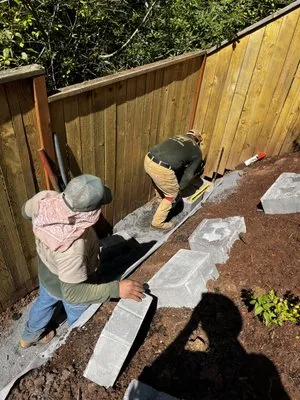
Bolder Landscape is a family-owned landscaping company serving Gresham, OR, and the surrounding Portland metro area since 2000. Founded by Ray Ortiz and now operated with his sons Ray Jr and Andrew, w...
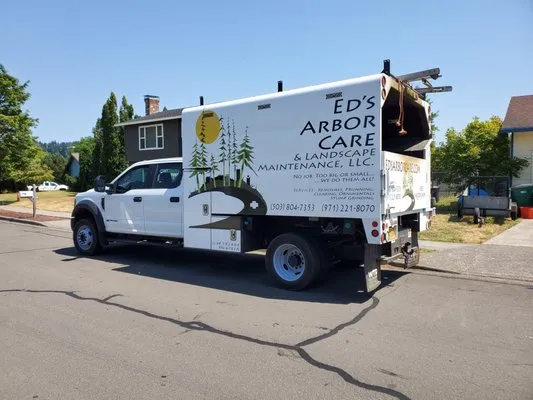
Eds Arbor Care is a Gresham-based tree service and landscaping company founded in 2010 by Edward Dreske II and a partner. With over 15 years of industry experience, Ed's journey began in his family's ...
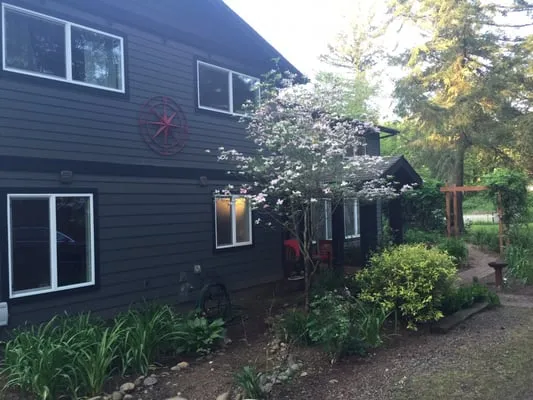
Mark's Yard Birds is a trusted landscaping and garden design company serving Gresham, Oregon, and the surrounding areas. Specializing in gardening, landscape design, maintenance, and lawn care, we hel...
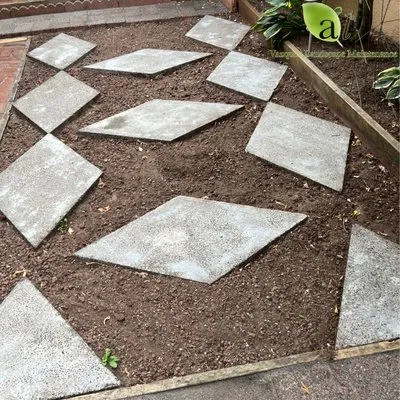
Al Vazquez Landscape Maintenance has been serving Gresham, OR for over 25 years, building a reputation on consistent customer satisfaction and meticulous attention to detail. Founded by Al Vazquez, th...
Pro Magic Star is a locally-owned and operated service business in Gresham, Oregon, founded by Cecilio and Maria Venegas. With roots in the meticulous maintenance standards of Honda dealerships, we br...
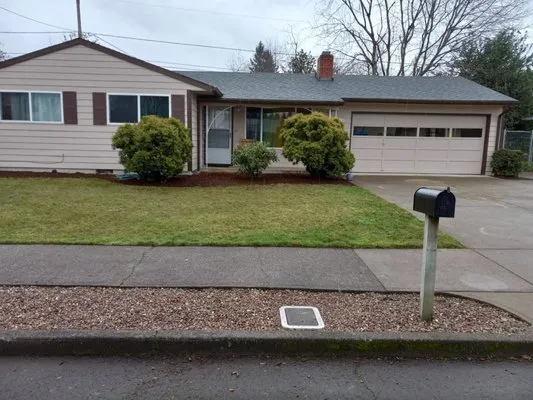
Earthworks Landscaping is a Gresham-based landscaping company with seven years of experience serving the local community. We specialize in comprehensive landscape solutions, from earthmoving and regra...
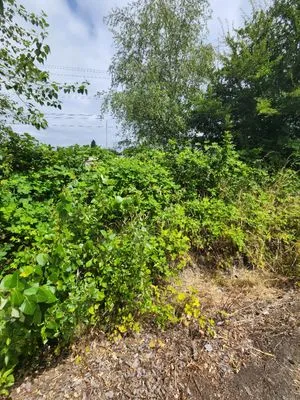
Speedy Trail Services is a locally owned and operated lawn care provider in Gresham, OR, specializing in landscape maintenance. We offer personalized yard clean-up, tree removal, and plant trimming se...
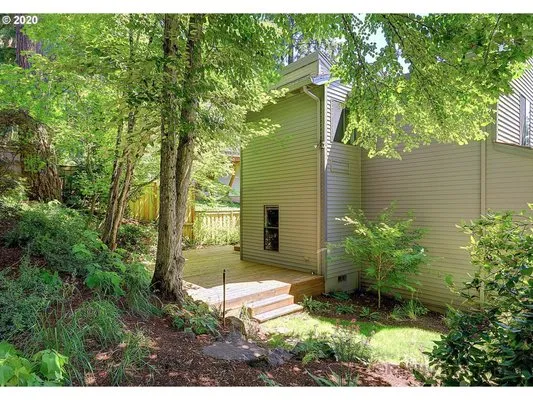
Orient Drive Landscaping has been a trusted name in Gresham, Oregon, for over 17 years, specializing in creating and maintaining beautiful, functional outdoor spaces. We offer a comprehensive range of...
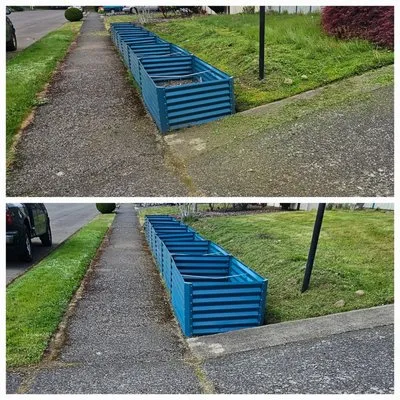
Nature's Force LandCare is an owner-operated landscaping service based in Gresham, OR, with deep roots in the local community. Founded in 2018 by Rey, the business builds on over 8 years of hands-on e...
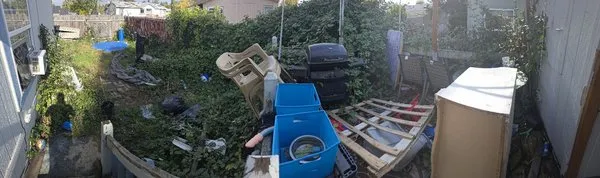
Abel's Landscape Environment is a licensed and bonded landscaping service based in Gresham, OR, specializing in both residential and commercial projects. With two years of operation and the owner's 14...
Frequently Asked Questions
How do we keep our lawn green during summer while following the city's voluntary water conservation?
Smart, Wi-Fi ET-based irrigation controllers are the definitive solution for Stage 1 conservation. These systems use local weather data to apply water only when evapotranspiration rates demand it, eliminating wasteful schedules. This technology precisely hydrates the root zone of your perennial ryegrass and fine fescue blend, reducing overall consumption by 20-30% compared to traditional timers. It automatically adjusts for rainfall, ensuring you stay well within municipal guidelines while maintaining turf health.
Our yard holds water every spring. What's a long-term fix for this soggy patch?
The issue is poor infiltration inherent to compacted silt loam soils and a high water table. A strategic solution integrates subsurface French drains with surface grading to direct water away from structures. Replacing impervious surfaces with permeable concrete pavers for patios or walkways significantly increases ground absorption. This combined approach manages runoff effectively and often helps properties meet the Gresham Community Development Department's stormwater management standards for new installations.
We have storm damage and need emergency cleanup to meet HOA compliance. How fast can a crew arrive?
Our dispatch prioritizes emergency calls from Central Gresham. A crew mobilizing from Gresham Main City Park can access I-84 for efficient routing to your neighborhood. Accounting for typical peak traffic conditions, we maintain a target response window of 20 to 30 minutes. This allows for immediate debris management, branch removal, and site stabilization to prevent further property damage and ensure compliance.
We're adding a patio. Are permeable pavers a better choice than wood decking for our area?
For longevity and fire resilience in Gresham's Moderate Wildland-Urban Interface rating, permeable concrete pavers are superior. Unlike wood, they require no sealing, resist rot and insect damage, and have a lifespan exceeding 25 years. Their permeability directly addresses local drainage concerns. Furthermore, they provide a non-combustible defensible space zone near your home, a key consideration for fire-wise landscaping. The initial investment is offset by drastically reduced long-term maintenance.
We're tired of weekly mowing and gas blower noise. Are there quieter, lower-maintenance options?
Transitioning to a climate-adaptive landscape with Pacific Northwest natives is the optimal path. Planting Oregon Grape, Douglas Spirea, and Western Sword Fern creates a resilient, low-water ecosystem that requires no mowing and minimal seasonal care. This shift preemptively addresses evolving noise ordinances restricting gas-powered equipment and reduces your carbon footprint. The deep root systems of these natives also improve soil stability and biodiversity far beyond a traditional turf lawn.
Do we need a permit to regrade our backyard, and what should we look for in a contractor?
Yes, significant regrading on a 0.19-acre lot typically requires a permit from the Gresham Community Development Department to ensure proper drainage and erosion control. The contractor performing this work must hold a valid license from the Oregon Landscape Contractors Board (LCB). The LCB license is mandatory for projects involving excavation, drainage, and structural changes, providing you with legal recourse and guaranteeing the contractor carries required bonding and insurance for such earthwork.
Our yard seems dense and doesn't drain well. Is this common for homes built around 1981 in Central Gresham?
Yes, this is a predictable soil condition. Homes constructed in 1981 have soils with approximately 45 years of development, leading to significant compaction from construction and maintenance traffic. Central Gresham's native silt loam is prone to this, resulting in poor infiltration and a seasonal high water table. Core aeration and the addition of composted organic matter are critical interventions to restore soil structure, improve percolation, and support healthy root systems for your perennial ryegrass blend.
We've spotted invasive English Ivy and Himalayan Blackberry. How do we remove them without harming nearby plants or the creek?
Manual removal of root masses is the primary method, followed by careful, targeted spot treatment of regrowth with approved herbicides. Timing is critical; applications must avoid rainy periods to prevent runoff into waterways, aligning with statewide Phosphorus restrictions. For severe infestations near property lines, smothering with heavy-duty geotextile fabric for a full season can be effective. Always dispose of plant material in yard debris bins to prevent re-spreading.
