Top Landscaping Services in Gambrills, MD, 21054 | Compare & Call

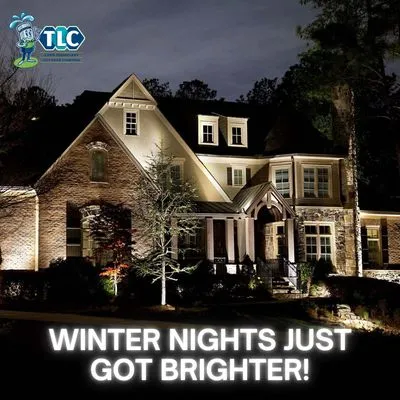
Founded in 1981 by Bob Carr, TLC in Gambrills began as a small, dedicated residential irrigation service. Over more than four decades, Bob and his skilled team have grown the company into a respected ...

On The Green, Inc. has been a trusted family-owned business serving Gambrills, MD, and the surrounding communities since 1994. For over 25 years, we've focused on providing routine professional lawn, ...
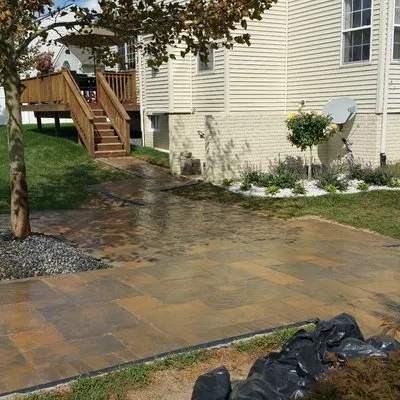
Unique Home and Landscaping Designs is a Gambrills-based contractor with over 20 years of experience in home improvement and landscaping. Founded in 2010 as Beautiful Lawns for All-Seasons, the compan...
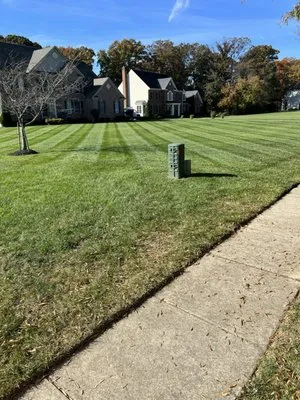
Fresh Cutts is a Gambrills-based landscaping, snow removal, and handyman service owned and operated by Eddie, who brings over a decade of hands-on experience to every job. Starting in the trade at age...

For over 30 years, Ultimate Tree & Landscapes has been the trusted choice for tree and landscape care in Gambrills and the surrounding area. Founded and operated by Rich, an internationally certified ...
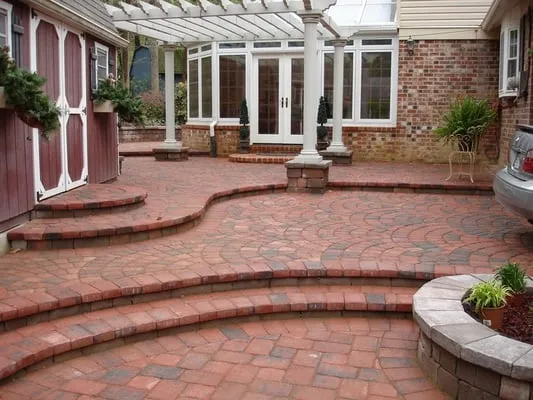
For over 23 years, Life Time Pavers has been a trusted hardscape contractor serving Gambrills and the surrounding communities. Led by Mark, our team specializes in transforming outdoor spaces with dur...
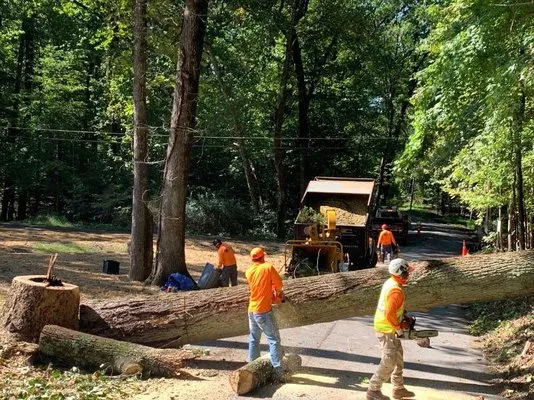
Caliber Tree Services
Caliber Tree Services, based in Gambrills, MD, is a family-owned tree and landscape care provider with a legacy spanning over 65 years. Founded on the principle of helping neighbors, the company conti...
Sunset Landscaping is your trusted local partner for solving common Gambrills yard problems. We know homeowners here face issues like frustrating irrigation timer failures that waste water and money, ...

Chesapeake Landscape & Design
Chesapeake Landscape & Design is a full-service landscape company serving the Gambrills community and surrounding Maryland and Northern Virginia areas with over 20 years of experience. We specialize i...

Earthrise Landscape
Earthrise Landscape has been serving the Gambrills and Crofton communities since 2012, providing comprehensive outdoor solutions that transform and maintain residential and commercial properties. Spec...
Question Answers
Why does my lawn in Chapel Grove have drainage and compaction issues?
Properties built around 1986, like many in Chapel Grove, are now 40 years old, meaning their soil structure has matured. The dominant Sassafras Sandy Loam topsoil often masks a dense, clay-rich subsoil common in Anne Arundel County. Over decades, foot traffic and equipment have compacted this layer, severely reducing soil percolation. Annual core aeration and incorporating compost are not just improvements but necessary interventions to restore permeability and root zone health.
What invasive species should I watch for, and how do I treat them safely?
Vigilance is required for invasive threats like Japanese Stiltgrass and Mile-a-Minute vine. Manual removal before seed set is most effective. For chemical control, select herbicides must comply with the Maryland Lawn Fertilizer Law, which prohibits phosphorus application and restricts nitrogen use outside the permitted growing season (blackout dates are typically June 1 to August 31 and November 15 to March 1). Always verify product labels for both active ingredients and fertilizer content.
Are concrete pavers a better choice than wood for a new patio?
In Gambrills's Zone 7b climate, concrete pavers and flagstone offer superior longevity and minimal maintenance compared to wood, which is susceptible to rot and insect damage. For the low Fire Wise rating here, these non-combustible materials also contribute to defensible space by not providing fuel. Their inherent permeability, when installed correctly, addresses drainage concerns while providing a stable, enduring surface that withstands freeze-thaw cycles.
What permits and credentials are needed for significant grading or landscape construction?
Any project altering drainage patterns or involving substantial earth movement on a 0.35-acre lot typically requires a permit from the Anne Arundel County Department of Inspections and Permits. The contractor must hold a valid license from the Maryland Home Improvement Commission (MHIC). This licensing is a legal safeguard, ensuring the firm carries insurance and adheres to state codes, particularly for work that affects property grading and stormwater management, which carries long-term liability.
My yard has pooling water. What's a long-term solution for Gambrills soil?
Pooling indicates the high clay content in the subsoil is inhibiting drainage, a frequent issue with Sassafras Sandy Loam. Beyond regrading, specify permeable jointing for concrete paver or flagstone installations. This creates a functional hardscape that meets Anne Arundel County's stormwater infiltration standards by allowing runoff to percolate directly into a prepared aggregate base, effectively managing moderate runoff without contributing to downstream system overload.
How do I keep my Tall Fescue healthy under voluntary water conservation?
Effective irrigation under Stage 0 voluntary conservation requires precision. Smart Wi-Fi controllers paired with in-ground soil moisture sensors are critical; they bypass scheduled watering when soil is adequately wet, applying water only during optimal ET (evapotranspiration) windows. This technology can reduce potable water use by 30–40% while maintaining the deep root system Kentucky-31 Tall Fescue needs to withstand summer heat stress in Zone 7b.
How quickly can you respond to an emergency storm cleanup for HOA compliance?
Our fleet dispatch from the Waugh Chapel Towne Centre area prioritizes emergency calls. Using MD-3 or I-97, a technician can typically reach a Chapel Grove address within the 45–60 minute window during peak conditions for initial assessment and tarping. This rapid response is structured to mitigate safety hazards and preempt HOA violation notices, with full debris removal and restoration scheduled immediately following.
Is there a lower-maintenance alternative to my traditional lawn?
Transitioning perimeter areas to a xeriscape of mid-Atlantic natives like Butterfly Weed, Switchgrass, and Black-eyed Susan significantly reduces water, mowing, and chemical inputs. This biodiversity-forward approach also future-proofs your landscape against tightening noise ordinances that restrict gasoline-powered blowers and mowers. These deep-rooted native plantings build soil carbon and provide superior habitat, aligning with 2026 ecological landscaping benchmarks.
