Top Landscaping Services in Franklinton, LA, 70438 | Compare & Call


Fence Pro is a Franklinton-based landscaping and fencing company serving Washington Parish and surrounding areas. We specialize in comprehensive solutions for residential and commercial properties, in...
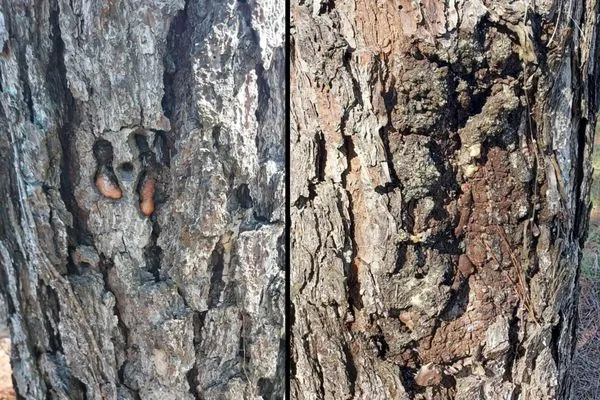
One Call Saw Works, LLC is a locally-owned and operated tree care and landscaping service proudly serving Franklinton and Southeast Louisiana. Founded in 2020 by a certified arborist and a landscape h...

J&C Tractor Services Plus LLC is a Franklinton-based company founded on over 26 years of hands-on experience. Led by owner Josh, our team specializes in the practical, heavy-duty work that forms the f...
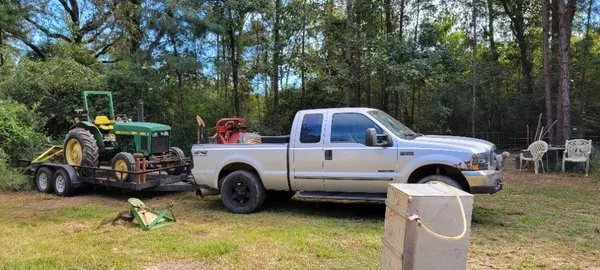
Tk's Land Management and Welding
Tk's Land Management and Welding is a versatile Franklinton-based company providing comprehensive solutions for your property. We specialize in professional landscaping, tree care, and custom metal fa...
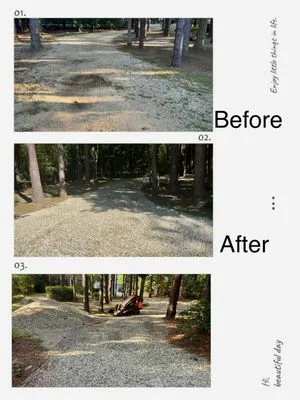
Southern Shade Landscapes is a Franklinton-based landscaping company dedicated to enhancing outdoor spaces across the Louisiana Northshore. We serve Franklinton, Folsom, Abita Springs, Covington, Mand...

Lucky Stripes Lawn Service is a full-service lawn care provider serving Franklinton, LA, and the surrounding areas. We handle all aspects of lawn maintenance and landscaping, including mowing, edging,...
Brush Cutting and Clearing Services in Franklinton, LA, specializes in transforming overgrown and storm-damaged properties into safe, usable spaces. Serving the local community, we directly address co...
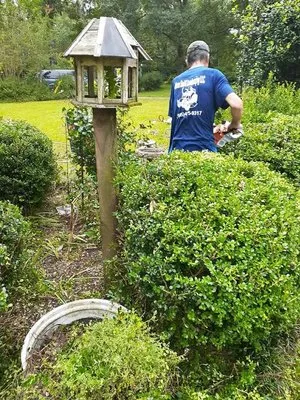
Warren Sod & Landscaping
Warren Sod & Landscaping is your local Franklinton expert for creating and maintaining beautiful, healthy outdoor spaces. We specialize in comprehensive solutions tailored to our area's climate and co...
Warrens Landscaping And Construction is a trusted, locally-owned company serving Franklinton and the surrounding Washington Parish area. We specialize in practical, lasting solutions for the most comm...
Two Feathers Lawn Care is a trusted lawn service provider serving Franklinton, LA, and surrounding areas. We specialize in comprehensive lawn care solutions designed to keep your property healthy and ...
Common Questions
Is there a lower-maintenance alternative to my weekly-mowed lawn?
Yes, transitioning high-input turf areas to a xeriscape of regionally native plants significantly reduces maintenance. Species like American Beautyberry, Purple Coneflower, and Swamp Sunflower are adapted to our Zone 8b climate and acidic soil, requiring minimal water once established and no weekly mowing. This shift also aligns with evolving municipal trends, reducing reliance on gasoline-powered equipment ahead of potential noise ordinance updates targeting gas blowers and mowers.
What's your response time for emergency tree work after a storm?
For urgent HOA compliance or safety-related cleanup in Central Franklinton, our target response is 20-30 minutes during peak storm events. We dispatch from a staging area near the Washington Parish Courthouse, utilizing LA-25 for primary access to efficiently serve the neighborhood. This routing allows us to bypass common congestion points and address immediate hazards like downed limbs or blocked driveways with minimal delay.
Why does my Franklinton lawn look thin and compacted after 50 years?
Your Central Franklinton property, likely developed around 1975, has soil that is approximately 50 years old. This acidic loamy fine sand has matured, often resulting in significant compaction from decades of foot traffic and standard maintenance. The low pH (5.5-6.0) can limit nutrient availability, while the fine texture reduces percolation. Core aeration paired with incorporating organic compost is essential to rebuild soil structure, increase permeability, and mitigate the seasonal saturation common here.
How can I keep my St. Augustine grass green without wasting water?
While Stage 0 water restrictions are currently inactive, conserving our aquifer is a best practice. Wi-Fi ET-based weather-sensing irrigation systems are the solution. This technology automatically adjusts runtime by calculating real-time evapotranspiration (ET) rates, applying only the precise water volume lost to sun and wind. It prevents overwatering your Centipedegrass or St. Augustine, which is critical in our fine sandy soil with a high water table, keeping turf healthy while staying well within any future municipal limits.
Why do I need a licensed pro for regrading my half-acre lot?
Regrading a 0.35-acre property alters water flow and can impact neighboring parcels, making it a permitted activity. The Franklinton Building & Planning Department requires plans that demonstrate proper drainage away from foundations. Furthermore, a contractor must hold appropriate licensing through the Louisiana Horticulture Commission, which ensures they are bonded and trained in erosion control and state BMPs. This protects you from liability related to runoff, sedimentation, or structural damage caused by improper earthwork.
My yard holds water for days. What's a permanent fix?
Seasonal saturation is a frequent issue due to our region's high water table and the poor internal drainage of acidic loamy fine sand. A graded French drain system, terminating in a dry well or rain garden, is often required. Using permeable materials like crushed concrete or local river rock for any new patios or paths increases ground infiltration. This integrated approach manages runoff effectively and typically meets the Franklinton Building & Planning Department's standards for on-site water management.
Is crushed concrete or wood better for a new patio that lasts?
For longevity and minimal upkeep in our humid climate, crushed concrete is superior to wood. It provides a stable, permeable surface that does not rot, warp, or attract termites. When used to create defined patios or pathways, it also supports the 'Fire Wise' moderate rating for our area by establishing non-combustible, defensible space zones around structures. Properly installed local river rock offers similar benefits with a different aesthetic, both outlasting organic materials significantly.
What should I do about invasive vines taking over my shrubs?
Invasive species like Chinese privet or Japanese honeysuckle are a persistent alert. Manual removal of roots is most effective, but for severe cases, a targeted, systemic herbicide applied in late summer is necessary. Any treatment must follow state-regulated Best Management Practices (BMPs) for nutrient and chemical runoff to protect local waterways. We strictly adhere to all application blackout dates and buffer zones specified by the fertilizer ordinance to ensure safe, compliant control.
