Top Landscaping Services in Valley Center, KS, 67147 | Compare & Call


A and S Borders is a family-owned, licensed concrete edging service based in Valley Center, KS, specializing in continuous landscape curbing and irrigation solutions. We offer a wide variety of styles...

Accent Borders Co. is a Valley Center, KS-based landscaping business specializing in extruded concrete landscape borders for both residential and commercial properties. With years of experience in des...
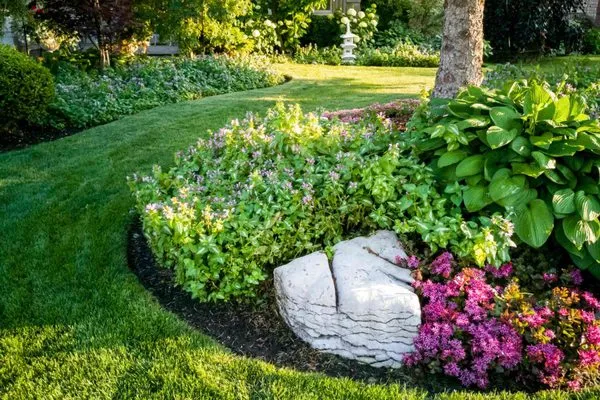
Baker Tree Service is a locally owned and operated business with deep roots in Valley Center, KS, continuing a family tradition of over 25 years. Founded by a second-generation arborist, we take immen...
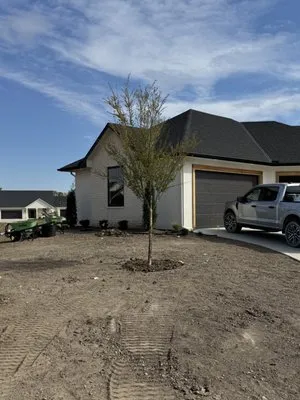
Pierpoint Tree Farm
Pierpoint Tree Farm is a locally owned and operated company serving Valley Center and the surrounding region. With 75 acres dedicated to cultivating a wide variety of trees, we offer an exceptional se...
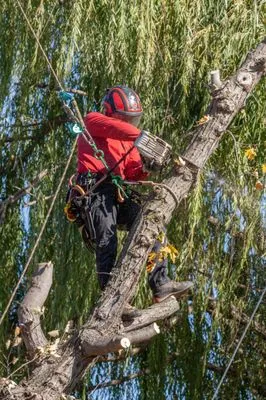
Joshua Tree Lawn & Garden has been the trusted choice for Valley Center homeowners and businesses seeking reliable outdoor solutions. We specialize in creating and maintaining landscapes that thrive i...

Lindsay & Co. Landscaping is a Valley Center-based landscaping service dedicated to transforming small to mid-sized outdoor spaces into peaceful retreats. We specialize in comprehensive landscape solu...
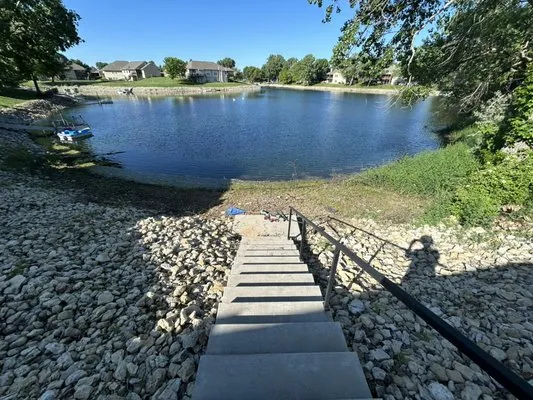
Javier's Landscaping and Mowing in Valley Center is a lawn service built on a genuine desire to help neighbors. Javier started mowing as a kid and found he loved the satisfaction of transforming a yar...
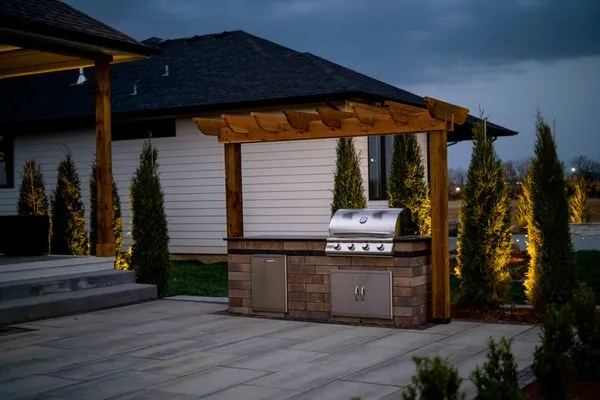
Meadowlark Landscape & Design
Meadowlark Landscape & Design has been serving the Wichita area, including Valley Center, since 2012, bringing over 40 years of collective experience to every project. We focus on building lasting rel...

Edgell Removal And Hauling
Edgell Removal and Hauling is your trusted, all-season partner for keeping your Valley Center property clean and functional. We specialize in junk removal and hauling, efficiently handling appliance, ...
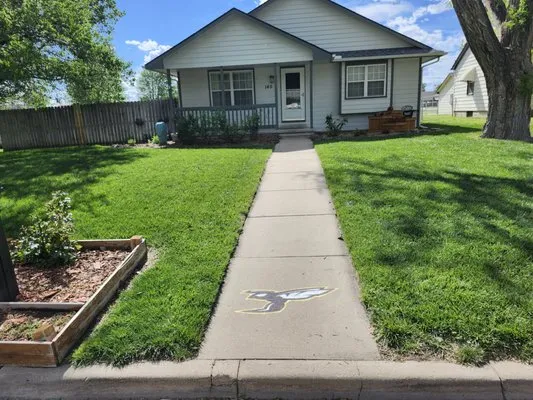
CDP Lawn Care is a trusted local lawn service provider in Valley Center, KS, specializing in comprehensive lawn care solutions tailored to the area's specific challenges. We understand that Valley Cen...
FAQs
What solutions address moderate runoff issues in Valley Center's silty clay loam soil?
Moderate runoff in silty clay loam results from low permeability during clay saturation events. Installing permeable concrete pavers increases surface infiltration by 40-60%, meeting Valley Center Planning & Zoning Department runoff standards. French drains or dry creek beds channel excess water away from foundations. These systems reduce pooling and soil erosion during heavy rainfall periods.
Why does my Valley Center Central yard have such compacted soil that resists water absorption?
Valley Center Central lots developed around 1977 have soil that has matured for approximately 49 years. Silty clay loam with pH 7.2-7.6 naturally compacts over decades under routine maintenance, reducing permeability. This compaction limits root penetration for Tall Fescue and increases runoff during storms. Annual core aeration with organic compost amendments improves soil structure and water infiltration.
Are concrete pavers a better choice than wood for durable landscaping in Valley Center?
Concrete pavers outperform wood in longevity, with 25-30 year lifespans versus wood's 10-15 years in Kansas climate cycles. Their non-combustible nature supports Moderate Firewise USA Community Standards by creating defensible space around structures. Pavers resist moisture damage common in silty clay loam and require no chemical treatments that could impact soil pH balance.
What permits and licenses are required for grading work on my 0.25-acre Valley Center property?
Grading on 0.25-acre lots requires a permit from Valley Center Planning & Zoning Department and contractors licensed through Sedgwick County Metropolitan Area Building and Construction Department. Professional licensing ensures proper erosion control and drainage compliance with local codes. Unpermitted grading can violate runoff standards and trigger enforcement actions, particularly in areas with moderate fire risk ratings.
Can I maintain healthy Tall Fescue in Valley Center while following Stage 1 water conservation guidelines?
Wi-Fi ET-based weather sensing irrigation systems optimize Tall Fescue health under Stage 1 voluntary conservation. These controllers adjust watering schedules using real-time evapotranspiration data, reducing usage by 15-25% compared to traditional timers. This technology prevents overwatering during clay saturation periods while meeting turf needs. Municipal water limits are maintained through precise application matching soil conditions.
What invasive species threaten Valley Center landscapes, and how are they managed safely?
Japanese knotweed and musk thistle present primary invasive risks in Zone 6b, outcompeting native vegetation. Treatment involves targeted herbicide applications during active growth phases, avoiding Standard BMPs for Phosphorus application blackout dates. Manual removal before seed set prevents spread without violating local fertilizer ordinances. Regular monitoring catches infestations early when control is most effective.
How quickly can you respond to emergency storm damage for HOA compliance in Valley Center?
Emergency cleanup crews dispatch from the Valley Center Public Library area, taking I-135 to reach Valley Center Central within 20-30 minutes during peak conditions. This response time accommodates urgent debris removal to meet HOA standards after severe weather. Teams coordinate arrival during permissible hours under local noise ordinances to avoid violations.
How can I reduce landscape maintenance while preparing for stricter noise regulations?
Replacing high-maintenance turf with native plants like Purple Coneflower, Little Bluestem, Butterfly Milkweed, and Switchgrass cuts mowing frequency by 70-80%. These species require minimal irrigation and no gas-powered blowers, aligning with evolving noise ordinance restrictions on equipment. Xeriscaping with natives also supports local pollinators and reduces seasonal mulch needs beyond early April peaks.
