Top Landscaping Services in Kansas City, KS, 66012 | Compare & Call

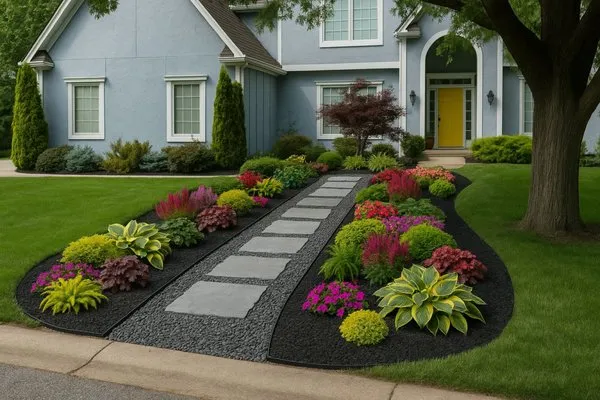
GreenArt Landscaping is a full-service landscape architecture and construction firm serving Kansas City, KS. We provide comprehensive solutions from initial design to long-term maintenance, focusing o...
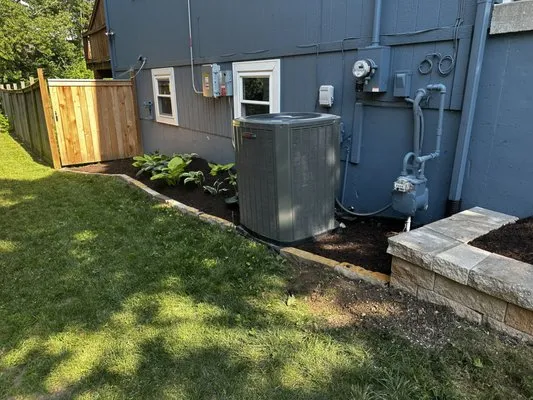
A M S Landscaping & Snow Removal is a trusted Kansas City, KS company specializing in comprehensive landscaping and excavation services. We help local homeowners and businesses address common area cha...

Ignacio’s Landscaping
Ignacio's Landscaping has been a trusted name in Kansas City, KS for over 34 years, growing from a single pickup truck and lawn mower into a comprehensive landscaping service provider. With deep roots...
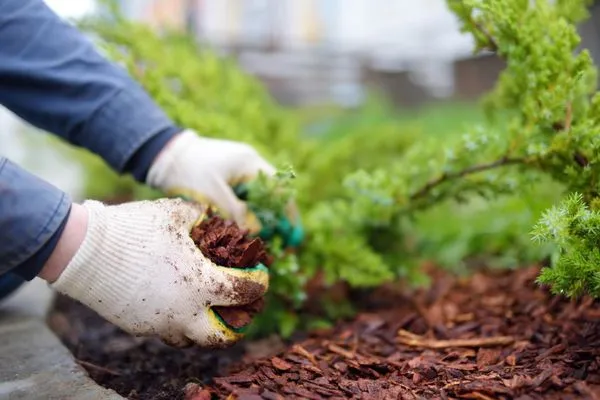
At Oscar G Landscaping, we're your Kansas City, KS neighbors dedicated to transforming outdoor spaces. Since 2019, we've provided personalized landscaping, tree care, and hardscaping solutions for hom...

We Go KC Lawn & Snow is a trusted local provider serving Kansas City, KS, with comprehensive outdoor maintenance solutions. We specialize in lawn care, irrigation services, and snow removal, using rel...
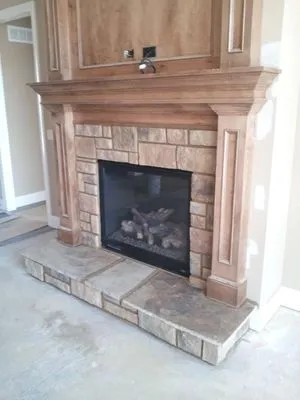
Danny's Landscaping is a full-service Kansas City, KS company specializing in landscaping, tree care, and masonry. We build and maintain beautiful, functional outdoor spaces, from new patios and retai...
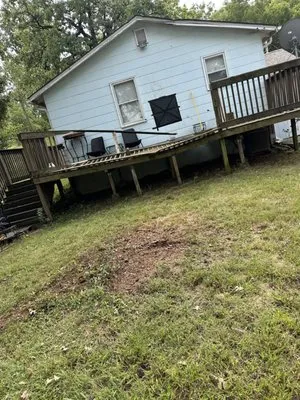
Diaz Lawn And Tree Service
Diaz Lawn And Tree Service is a trusted local provider in Kansas City, KS, specializing in comprehensive outdoor care. We offer a full spectrum of services, including professional tree care, expert fe...
Brayans Lawn Care Service is a dedicated local landscaping provider in Kansas City, KS, focused on maintaining and enhancing the beauty and health of residential properties. Many area homes face commo...
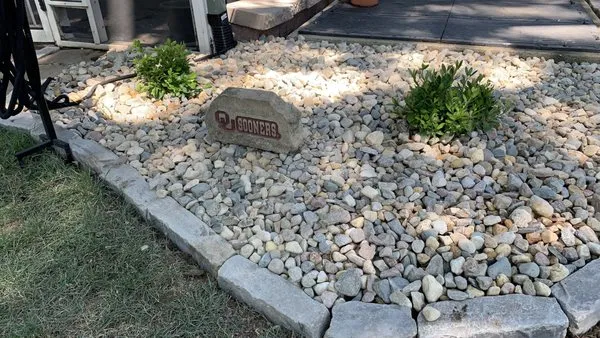
SES Landscape is a family-owned and operated business proudly serving Kansas City, KS, for over 12 years. Our foundation is built on integrity, a commitment to quality work, and providing our neighbor...
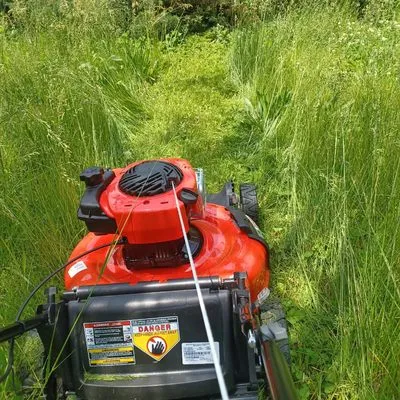
Nature Needs LawnCare
Nature Needs LawnCare was founded on a simple, heartfelt idea: to bring happiness through service while working in the outdoors we love. Owner [Your Name] started by volunteering, cleaning up vacant l...
Frequently Asked Questions
What alternatives exist for reducing lawn maintenance while supporting local biodiversity?
Transitioning high-maintenance turf areas to native plantings like Purple Coneflower, Little Bluestem, Butterfly Milkweed, and Wild Bergamot creates resilient landscapes requiring minimal inputs. These species support pollinator populations while reducing mowing frequency and eliminating gas-powered equipment use. Electric maintenance fleets operate quietly within noise ordinance restrictions while maintaining these plantings. This approach aligns with 2026 biodiversity standards by creating habitat corridors throughout urban settings.
Why choose Kansas limestone over wood for durable, low-maintenance hardscaping in our climate?
Kansas limestone pavers offer superior longevity with 50+ year lifespans compared to wood's 10-15 year replacement cycle in our climate zone. This natural stone requires minimal maintenance while providing excellent permeability for stormwater management. In urban settings with low fire-wise ratings, non-combustible materials like limestone create defensible space without fuel accumulation concerns. Proper installation techniques ensure stable surfaces that withstand freeze-thaw cycles common in USDA Zone 6b winters.
How quickly can you respond to emergency storm damage cleanup for HOA compliance in my area?
Our electric maintenance fleet operates within Kansas City's noise ordinance hours from 7:00 AM to 9:00 PM for immediate response. From our base near Kaw Point Park, we access Strawberry Hill via I-70 with a peak storm response time of 25-35 minutes. This routing minimizes traffic delays while ensuring compliance with local noise restrictions. Our electric equipment maintains quiet operation during extended cleanup periods without violating municipal regulations.
How can I maintain healthy Tall Fescue turf while following Kansas City's voluntary water conservation guidelines?
Wi-Fi ET-based weather sensing irrigation systems automatically adjust watering schedules based on real-time evapotranspiration data and soil moisture levels. This technology reduces water usage by 20-30% compared to traditional timers while maintaining turf health. During normal water restriction periods, these systems prioritize deep, infrequent watering that encourages deeper root growth. Proper calibration ensures Tall Fescue receives 1-1.5 inches weekly during peak growing seasons without exceeding municipal conservation targets.
What solutions address moderate runoff problems common in Kansas City's clay-based soils?
Clay-based compaction in silt loam soils creates surface runoff that requires engineered drainage solutions. Permeable Kansas limestone pavers installed with proper base materials allow 30-50% greater water infiltration than traditional hardscapes. French drains connected to dry wells provide subsurface drainage that meets Unified Government runoff standards. These systems work together to redirect water from foundations while improving overall soil permeability over time.
Why does my Strawberry Hill yard have such dense, slow-draining soil that resists water penetration?
Kansas City's Strawberry Hill neighborhood features homes averaging 70 years old, with soil that has developed mature silt loam and clay characteristics over decades. This soil type naturally compacts over time, reducing permeability and creating moderate runoff issues. Core aeration combined with organic amendments like compost improves soil structure by increasing pore space for better water movement. Regular soil testing every 2-3 years helps maintain optimal pH levels between 6.5 and 7.2 for healthy plant growth.
What permits and licenses are required for grading work on my 0.15-acre Strawberry Hill property?
The Unified Government of Wyandotte County/Kansas City, KS Planning & Urban Design requires grading permits for any earth movement exceeding 50 cubic yards on residential lots. Kansas Department of Agriculture licensing ensures contractors understand soil conservation practices and erosion control measures. On 0.15-acre properties, even minor grading can trigger permit requirements due to potential runoff impacts on neighboring lots. Professional licensing verifies expertise in proper slope stabilization and drainage integration for long-term landscape stability.
How should I manage invasive species without violating local fertilizer regulations?
Common invasive alerts in Zone 6b include Japanese knotweed and garlic mustard that require targeted treatment strategies. Manual removal during specific growth stages proves most effective while avoiding chemical runoff into storm drains. When herbicides become necessary, spot applications using backpack sprayers prevent overspray and comply with standard BMPs for fertilizer and pesticide use. Timing treatments outside blackout dates ensures environmental protection while effectively managing invasive populations.
