Top Landscaping Services in Saint Charles, IL, 60174 | Compare & Call

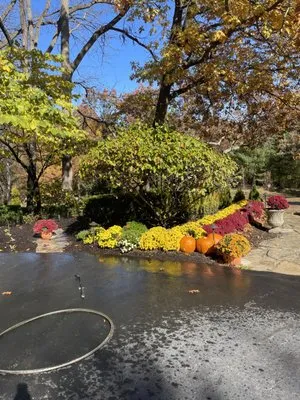
Green Scene is a family-owned landscaping company serving Saint Charles, IL, and surrounding areas since 1984. We provide comprehensive outdoor solutions for both residential and commercial properties...

Ratliff Landscaping
Ratliff Landscaping is a trusted, locally-owned design and construction firm serving Saint Charles and the surrounding western suburbs for over 20 years. We specialize in creating beautiful, functiona...
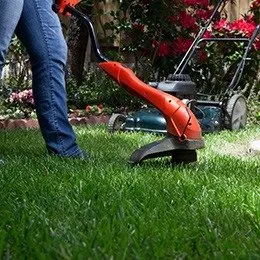
Based in Saint Charles, IL, Decoration Landscaping is a locally owned and licensed company with over a decade of dedicated service to the Fox Valley area. We specialize in comprehensive landscape solu...
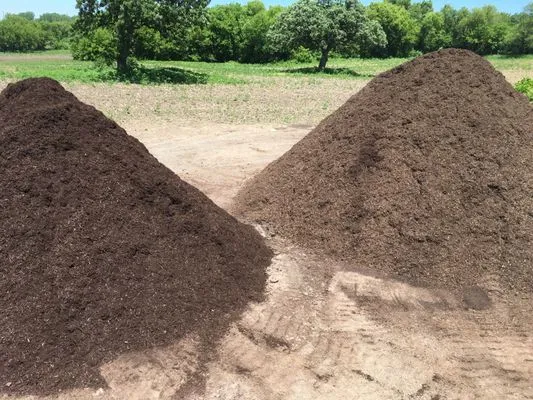
Bob Evans Mulch is a family-owned and operated business serving the Fox Valley area of Illinois, including Saint Charles, for over 30 years. We specialize in providing quality mulch and firewood, with...
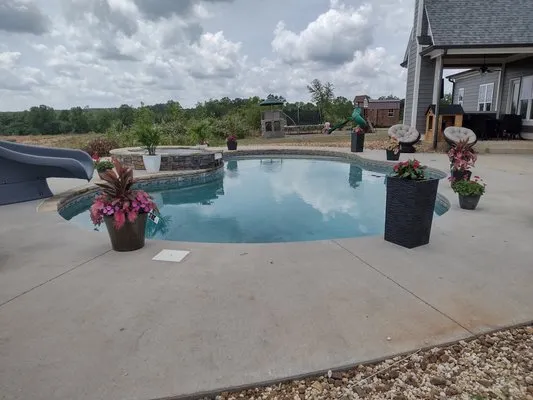
Smith Landscaping is your trusted local landscaping partner in Saint Charles, IL, offering comprehensive services to maintain and enhance your outdoor spaces. We specialize in irrigation repair, lands...
Always Growing Landscaping is a dedicated Saint Charles, IL-based landscaping company focused on addressing common local lawn challenges. Many homes in the area face issues like lawn insect damage and...
Jim's Lawn Maintenance & Landscaping is a trusted Saint Charles, IL-based landscaping company specializing in comprehensive lawn and shrub care. We help local homeowners tackle common landscaping chal...
Country Scape Landscaping
Country Scape Landscaping is a trusted Saint Charles, IL, landscaping company specializing in landscape design, masonry/concrete work, and architectural planning. We help local homeowners tackle commo...
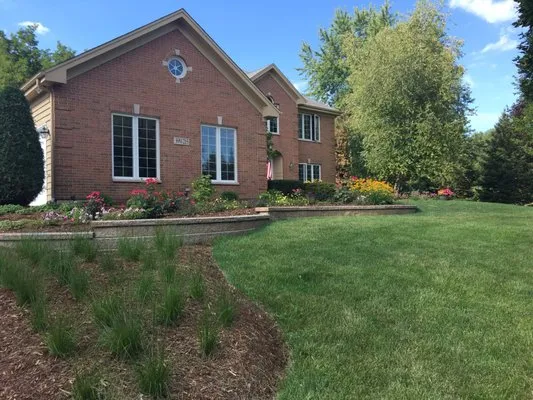
Fritz Landscape Contractors
Fritz Landscape Contractors, Inc. in Saint Charles, IL, was founded in 1980 by owner Paul Fritz with a passion for creating and maintaining unique landscapes. Over the decades, the company has grown a...
Evergreen Landscape Associates is a locally owned and operated landscaping company serving Saint Charles, IL, and the surrounding Fox Valley area. We specialize in diagnosing and solving common local ...
Frequently Asked Questions
My yard holds water for days after rain. What's a permanent solution for this poor drainage?
This is a classic symptom of the region's high seasonal water table and compacted glacial till subsoil. The solution integrates subsurface drainage with surface grading to redirect water. Replacing impermeable surfaces with permeable concrete pavers or natural limestone in patios and walkways can significantly improve onsite infiltration. All such work must be designed to meet the St. Charles Building and Code Enforcement Division's stormwater runoff standards.
If a storm causes significant debris, how quickly can a crew arrive for an emergency cleanup to meet HOA standards?
For urgent HOA compliance or storm response, our primary dispatch from the Pottawatomie Park area allows for a 20-30 minute arrival to the Riverside District during peak hours. The route utilizes IL-64 (Main Street) for direct access, with crews prepared for immediate debris management. This timing accounts for typical post-storm traffic while ensuring rapid mitigation of safety hazards and covenant violations.
Are concrete pavers or natural limestone better than wood for a new patio, considering longevity and safety?
Both concrete pavers and natural limestone offer superior longevity and fire resistance compared to wood. Their non-combustible nature contributes to defensible space, a consideration even in Saint Charles's Low Wildfire Risk rating. These materials withstand freeze-thaw cycles in Zone 5b without rotting or warping. A properly installed base ensures decades of service with minimal maintenance, unlike wood which requires regular sealing and replacement.
How can I maintain a healthy Kentucky Bluegrass and Tall Fescue lawn under Saint Charles's Stage 1 water conservation rules?
Wi-Fi ET-based weather-sensing controllers are the definitive solution. These systems automatically adjust irrigation schedules by calculating real-time evapotranspiration (ET) rates, applying water only when needed. This technology can reduce potable water use by 20-30% while preserving turf health, aligning perfectly with voluntary conservation goals. It prevents overwatering, which is especially crucial given the area's poor soil infiltration.
Do I need a permit to regrade my backyard, and what type of contractor should I hire?
Yes, significant regrading on a 0.25-acre lot typically requires a permit from the St. Charles Building and Code Enforcement Division to ensure proper drainage and compliance with codes. You must hire a contractor licensed by the Illinois Department of Financial and Professional Regulation for landscaping that involves earth moving and alteration of drainage patterns. This ensures the work is bonded, insured, and performed to engineered standards, protecting your property.
What are the most aggressive invasive species here, and how do I remove them without harming my garden?
Garlic mustard and bush honeysuckle are primary invaders in Saint Charles, outcompeting natives and degrading soil health. Manual removal before seed set is most effective. For persistent woody invasives, targeted cut-stump herbicide application in late fall minimizes drift and is permissible under local ordinance. Always conduct a soil test first; the city's phosphorus-free fertilizer rule does not restrict these approved herbicide treatments for invasive species control.
Why does my lawn in the Riverside District look tired and compacted, even with regular care?
Your 1984-built property sits on soil approximately 42 years in development. The prevalent Mollisols silt loam, while naturally fertile, has likely experienced decades of settling and compaction from standard maintenance, reducing permeability. This glacial till foundation, common throughout older Saint Charles neighborhoods, restricts root growth and water infiltration. Annual core aeration and top-dressing with compost are critical to rebuild soil structure and mitigate the high water table's effects.
I'm tired of weekly mowing and gas blower noise. What's a quieter, lower-maintenance alternative?
Transitioning high-input turf areas to a palette of deep-rooted natives like Purple Coneflower, Little Bluestem, and Butterfly Milkweed is a strategic shift. These plants require no mowing, minimal watering once established, and support local biodiversity. This approach future-proofs your landscape against tightening noise ordinances for gas equipment and reduces dependency on weekly maintenance cycles.
