Top Landscaping Services in East Hampton, CT, 06414 | Compare & Call

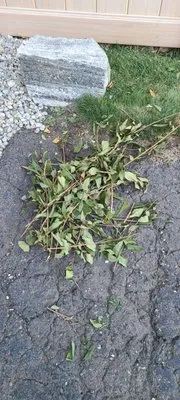
D. Perrelli Landscaping LLC is an owner-operated landscaping company that has been serving the East Hampton, Portland, and Colchester communities since 1996. With over 25 years of hands-on experience,...

Gotta & Sons Masonry is a family-owned masonry and landscaping contractor serving East Hampton, CT, with deep roots in both masonry and horticulture. With over 20 years of experience in masonry and 30...
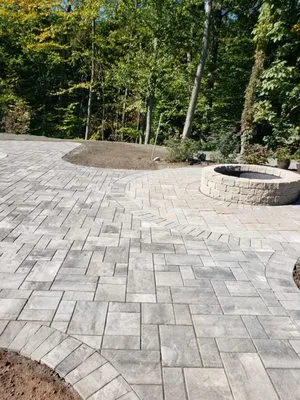
Rock Landscaping & Construction
Rock Landscaping & Construction has been a trusted part of the East Hampton community since 1999, providing comprehensive design and installation services for both residential and commercial propertie...
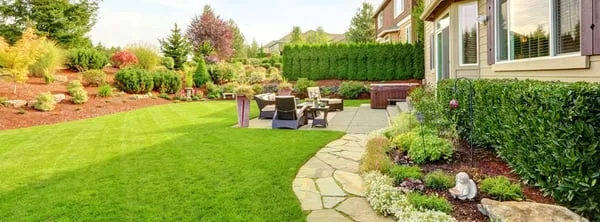
MLG Landscaping
MLG Landscaping is a trusted local provider in East Hampton, CT, dedicated to helping homeowners reclaim their outdoor spaces from common local challenges like persistent weed overgrowth and patchy, u...
Hawes Landscaping is your trusted local partner for maintaining and enhancing outdoor spaces in East Hampton, CT. We understand the specific challenges homeowners in our area face, particularly with p...
Grasshopper Lawn Care is a trusted landscaping company serving East Hampton, CT homeowners. We specialize in diagnosing and fixing common local irrigation problems like sprinkler leaks and coverage ga...
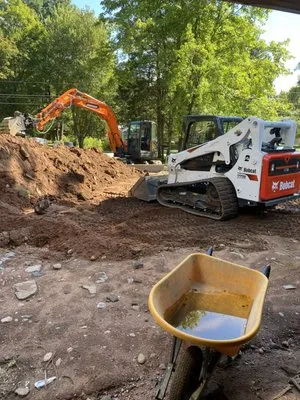
CT Siteworks
CT Siteworks is a licensed, family-owned excavation contractor with over 20 years of experience serving East Hampton and Central Connecticut. We provide professional site preparation, foundation excav...
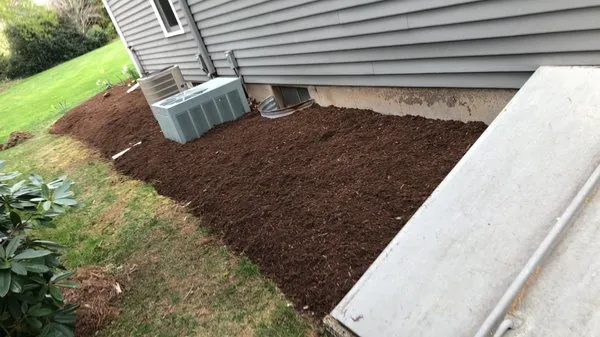
BLW Landscaping is a full-service landscaping contractor serving East Hampton, CT, and surrounding Windham County. We specialize in transforming problematic yards into healthy, beautiful, and function...
J John's Landscaping is a trusted East Hampton, CT landscaping company specializing in comprehensive lawn, garden, and shrub care. We help local homeowners tackle common problems like dying garden pla...

SilverFox Land Care is a trusted landscaping partner in East Hampton, CT, dedicated to transforming outdoor spaces into peaceful, enjoyable retreats. With extensive experience in both creating new lan...
FAQs
What permits are needed for regrading my 0.55-acre lot?
The East Hampton Building & Land Use Department requires erosion control permits for any cut/fill exceeding 50 cubic yards. Connecticut Department of Consumer Protection licensing mandates that operators hold Home Improvement Contractor registration for drainage work affecting property boundaries. Engineered grading plans must demonstrate compliance with 10-foot wetland setbacks and stormwater retention calculations for lots over 0.5 acres.
Why does my lawn have poor drainage and thin grass despite regular watering?
East Hampton Village Center properties built around 1974 have 52-year-old soil profiles. Acidic sandy loam naturally compacts over decades, reducing permeability to 0.5 inches per hour. Core aeration every 2-3 years introduces oxygen channels while adding composted leaf mold raises pH toward 6.5 for better nutrient availability. This addresses the historical lack of organic amendments in development-era fill soils.
Should I replace high-maintenance turf with native plants?
Transitioning 30-50% of lawn to Eastern Redbud and Switchgrass reduces mowing frequency from weekly to seasonal while providing year-round habitat. This preempts potential gas-blower restrictions under noise ordinances and cuts irrigation demand by 60%. New England Aster and Joe Pye Weed establish pollinator corridors that qualify for CT DEEP biodiversity credits. Mature plantings require only annual pruning.
How do I control invasive species without chemical runoff?
Japanese knotweed and garlic mustard require manual extraction before seed set in early May, avoiding phosphorus fertilizer blackout periods. Cut stems receive targeted glyphosate applications below 2% concentration using sponge wipes rather than spray. This prevents contamination of Seamans Reservoir watershed while complying with statewide phosphorus bans. Soil tests every 3 years determine actual deficiency before any amendment.
Are bluestone patios better than wood decks for fire safety?
Bluestone provides non-combustible defensible space meeting WUI Zone 2 requirements, unlike pressure-treated wood that requires annual flame-retardant treatments. The material's thermal mass moderates microclimate temperatures 5-7°F compared to composite decking. Properly installed with polymeric sand joints, bluestone maintains permeability while resisting frost heave damage for 25+ year lifespans with minimal maintenance.
Will my Kentucky Bluegrass survive Stage 1 water restrictions?
Wi-Fi ET-based irrigation adjusts daily schedules using local evapotranspiration data from Moodus weather stations. This reduces water use 25-40% while maintaining 80% turf density through strategic deep watering cycles. The system bypasses voluntary conservation days automatically and prioritizes root zone hydration over surface sprinkling. Soil moisture sensors prevent runoff into the high water table.
What solves persistent puddling near my foundation?
Seasonal saturation in acidic sandy loam requires subsurface French drains with clean stone aggregate to intercept groundwater. Permeable concrete pavers installed with 6-inch gravel bases achieve 8-12 inch per hour infiltration rates, meeting East Hampton Building Department runoff standards. Grade adjustments of 2% slope away from structures prevent hydrostatic pressure buildup during spring thaw periods.
How quickly can you respond to storm damage for HOA compliance?
Emergency cleanup crews dispatch from Seamans Reservoir via CT-66 within 20-30 minutes during peak conditions. We prioritize downed limb removal and erosion control to meet 48-hour HOA violation windows. The route avoids Village Center congestion through secondary roads off CT-196. All equipment meets the 8 PM noise curfew with electric chainsaws for after-hours work.
