Top Landscaping Services in Branford, CT, 06405 | Compare & Call

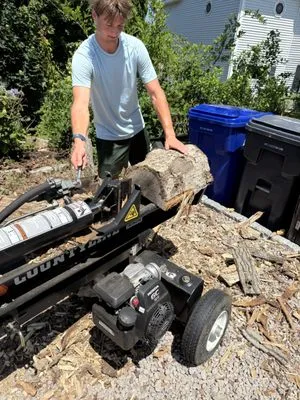
MSD Junk Removal is a locally-owned and operated business in Branford, founded by three college-bound friends—Slade, Michael, and Dylan. What began as a summer project to earn tuition has grown into a...
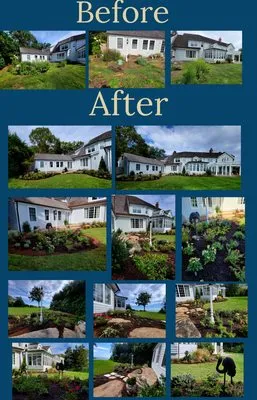
Shorehaven Landscape is a Branford-based provider of comprehensive lawn and landscape services. Specializing in irrigation and landscape design, construction, and ongoing care, they offer tailored sol...

Founded by a husband and wife team after the birth of their first daughter, The Greenscaping Company in Branford was born from a desire for a safer, pesticide-free lawn for their family and community....
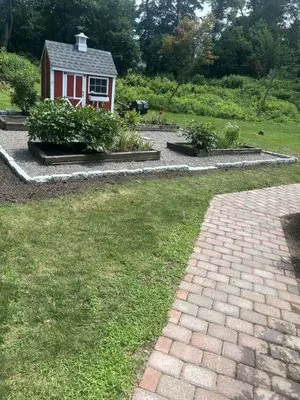
RML Landscaping is a Branford-based landscaping company serving residential and commercial clients throughout the area. With expertise in landscape design, maintenance, lawn care, and shrub care, we p...
PRO-CUT Lawn Service is your dedicated local partner for comprehensive property care in Branford, CT. We understand that managing your landscape is just one part of your busy life, whether at home or ...
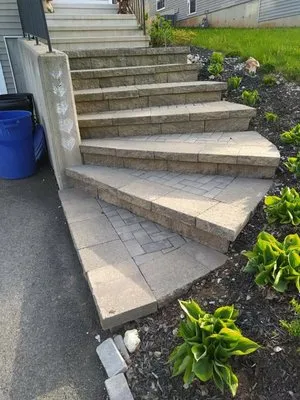
Over the Hedge Masonry & Landscaping has been serving Branford homeowners since 2013, bringing over 20 years of hands-on experience to every project. Founded on a commitment to quality and customer sa...

Blackstone Landscaping & Tree Removal is a trusted, locally-owned business serving Branford, CT homeowners with comprehensive landscaping and tree care solutions. We specialize in addressing common lo...
Nardella's Turf Care is a Branford-based landscaping company specializing in artificial turf solutions, including installation, cleaning, infill application, and repair. With a team of certified maste...
Shoreline Landscaping & Tree Removal is a trusted local provider serving Branford, CT, specializing in comprehensive tree services and landscape maintenance. We understand the unique challenges Branfo...

DeMar's Landscaping
DeMar's Landscaping is a trusted, licensed landscaping company serving Branford, CT, and the entire Connecticut shoreline for over 15 years. We specialize in creating and maintaining beautiful, functi...
Question Answers
Can we reduce maintenance while preparing for stricter noise ordinances?
Transitioning high-maintenance turf areas to native plantings like Eastern Redbud, Swamp Milkweed, Little Bluestem, and New England Aster creates self-sustaining landscapes that require minimal intervention. These species thrive in Branford's acidic sandy loam without supplemental fertilization, and their natural growth habits eliminate weekly mowing requirements. This approach future-proofs properties against evolving noise ordinances restricting gas-powered blowers, as native plantings need only seasonal attention with electric equipment. The resulting ecosystems support local pollinators while reducing water and chemical inputs by 60-80%.
What drainage solutions work best for Branford's high water table and seasonal flooding?
Permeable concrete pavers and bluestone installations create surface infiltration systems that mitigate seasonal coastal flooding in acidic sandy loam soils. These materials allow 3-5 inches per hour of water penetration, reducing runoff that overwhelms Branford's high water table conditions. Properly engineered systems include 12-18 inch gravel bases that temporarily store water during peak events. The Branford Planning & Zoning Department requires such permeable solutions for projects exceeding 500 square feet to meet updated stormwater management standards.
How do we maintain our Kentucky Bluegrass/Fine Fescue lawn during Stage 1 water restrictions?
Smart Wi-Fi ET-based weather sensing irrigation systems calculate precise evapotranspiration rates to deliver minimum required water while preserving turf health. These systems automatically adjust schedules based on real-time weather data, reducing water use 20-40% compared to traditional timers. During voluntary conservation periods, programming emphasizes deep, infrequent watering cycles that encourage deeper root systems in sandy loam soils. This approach maintains grass density while staying well within municipal water allocation limits for 0.35-acre properties.
How quickly can you respond to emergency storm damage for HOA compliance in Branford?
Emergency cleanup dispatch follows optimized routing from Branford Town Green via I-95, achieving 20-30 minute peak response times to most Branford Center properties. This efficiency addresses immediate safety hazards while meeting HOA vegetation management deadlines. Our electric maintenance fleet operates within Branford's restricted hours for gas-powered equipment (7:00 AM - 8:00 PM), ensuring compliance during urgent situations. Response protocols prioritize debris removal from structures and restoration of safe access before addressing cosmetic concerns.
What invasive species threaten Branford landscapes, and how do we treat them safely?
Japanese knotweed and garlic mustard present significant invasion risks in Branford's disturbed soils, particularly in older neighborhood lots. Treatment requires targeted herbicide applications during active growth phases, carefully timed outside Connecticut's phosphorus limitation blackout periods. Manual removal proves effective for small infestations when combined with solarization techniques that utilize sandy loam's drainage characteristics. Always conduct soil testing before any treatment to ensure compliance with statewide fertilizer ordinances prohibiting phosphorus applications unless deficiency is documented. Follow-up planting with native species prevents reinvasion.
Our Branford Center home was built in the 1970s - what should we know about our soil after 50+ years?
With soil maturity calculated at 56 years (2026 minus 1970 average build year), acidic sandy loam in Branford Center has likely developed compaction layers that restrict root growth and water infiltration. This soil type naturally tends to acidify over time, maintaining pH 5.5-6.5 but requiring regular core aeration to improve permeability. Annual organic amendments like composted leaf mold help rebuild soil structure while maintaining appropriate acidity for native plantings. Without intervention, mature lots experience reduced percolation rates that exacerbate seasonal flooding issues common in coastal areas.
Why choose bluestone or permeable concrete over wood for patios in Branford?
Bluestone and permeable concrete pavers offer 30-50 year lifespans versus wood's 10-15 year maximum in Connecticut's humid coastal climate. These materials maintain structural integrity despite Branford's acidic soil conditions that accelerate wood decomposition. From a fire safety perspective, non-combustible hardscapes contribute to defensible space in low Firewise-rated urban/suburban interfaces. Their thermal mass properties also reduce heat island effects compared to wood or asphalt, and permeability addresses seasonal flooding concerns while meeting municipal runoff requirements. Proper installation includes geotextile barriers that prevent soil migration in sandy loam conditions.
What permits and licenses are needed for grading work on our 0.35-acre Branford property?
The Branford Planning & Zoning Department requires grading permits for any earth movement exceeding 50 cubic yards or altering natural drainage patterns on 0.35-acre lots. Contractors must hold valid Home Improvement Contractor licenses from the Connecticut Department of Consumer Protection, with specific endorsements for excavation and drainage work. These regulations ensure proper erosion control during coastal projects and verify that operators understand local high water table challenges. Unlicensed grading risks significant fines and may void property insurance during flood events, as improper elevation changes can redirect water toward neighboring properties in Branford's dense residential areas.
