Top Landscaping Services in Wilson, WY, 83014 | Compare & Call

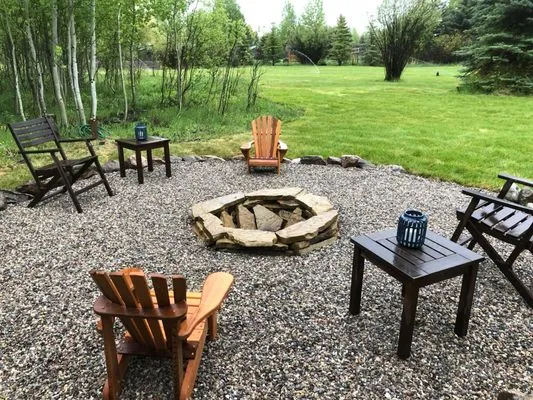
Hole Landscaping is a licensed landscaping company serving Wilson and the greater Jackson Hole area with dedication and expertise since 2012. We are passionate about helping local homeowners realize t...
Since 1993, Teton Heritage Landscaping has been a trusted part of the Wilson, WY community, creating and maintaining beautiful, functional outdoor spaces. Founded on a deep respect for the local envir...

Westbank Garden Center
Westbank Garden Center has been a trusted local resource in Wilson since 1993, providing comprehensive landscaping and garden care services tailored to the unique high-country environment. As a full-s...
First Tracks Lawn Care is a licensed lawn care service based in Wilson, WY, serving Star Valley Ranch and surrounding communities. We specialize in comprehensive landscape maintenance, irrigation syst...
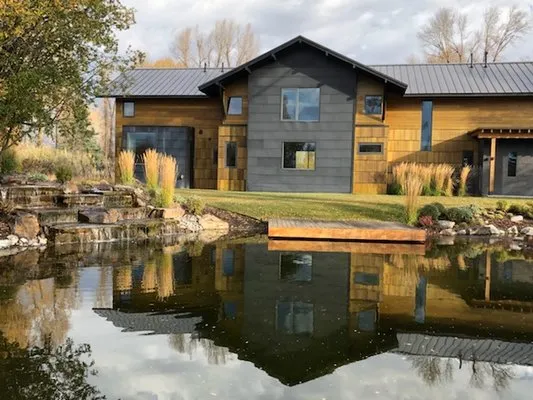
Founded in 1990, Growin Green has been an integral part of the Wilson and greater Jackson Hole community, providing thoughtful landscaping construction and unique art installations for over three deca...
FAQs
We have an HOA compliance notice for overgrown vegetation. What's your emergency response timeline in Wilson?
For urgent HOA or storm-related cleanup, our standard dispatch originates near Wilson School Park. The route via WY-22 (Teton Pass) allows for efficient access to Wilson Village, with a target arrival window of 45-60 minutes under normal conditions. This timeframe accounts for peak seasonal traffic and potential winter weather delays, which can impact travel on Teton Pass. We prioritize electric equipment for quiet, immediate operation upon arrival to address compliance issues swiftly.
How can we keep our Kentucky Bluegrass lawn healthy during Wilson's Stage 1 water conservation?
Stage 1 voluntary conservation is best managed with precision. Smart Wi-Fi controllers paired with in-ground soil moisture sensors create an ET-based irrigation schedule that applies water only when and where your turf's root zone needs it. This system prevents overwatering, which is common with traditional timers, and can reduce usage by 20-30% while preserving turf health. Deep, infrequent watering cycles that match the soil's percolation rate encourage deeper roots, making the lawn more drought-resilient within municipal guidelines.
Is using wood for decks and fences a good idea given Wilson's fire risk?
In an Extreme Fire Wise rated WUI zone, combustible materials like wood decks require careful mitigation. While treated wood is common, non-combustible hardscaping using crushed Teton River rock and permeable flagstone is superior for creating defensible space. These materials provide critical ember-resistant zones within 0-5 feet of the home. For necessary wooden structures, select fire-retardant treated lumber and maintain strict clearance of vegetation and debris, as mandated for NFPA Firewise USA participants.
What invasive species should we watch for, and how do we handle them near the Snake River?
High-priority invasives in this area include Cheatgrass, Leafy Spurge, and Canada Thistle. Management must follow Best Management Practices for Nitrogen application to protect the Snake River watershed, which often includes blackout dates for certain herbicides in spring. For perennial weeds, targeted spot-treatment in fall with approved systemic herbicides is most effective. For annuals like Cheatgrass, pre-emergent strategies in early spring combined with promoting dense native groundcover like Kinnikinnick are the safest long-term controls.
What permits and licenses are needed for regrading and planting on our half-acre lot?
Significant regrading that alters water flow or involves cut/fill exceeding 18 inches typically requires a permit from Teton County Planning and Building Services. For any pesticide application, including many soil amendments, the contractor must hold a current Wyoming Department of Agriculture Pesticide Applicator License. On a 0.5-acre property, improper grading can impact neighborhood drainage, so licensed professionals ensure work meets county erosion control and watershed protection standards, avoiding costly violations.
Our soil in Wilson Village seems dense and struggles to grow anything but grass. What's the likely history of our yard?
Properties built around the area's 1982 average age have roughly 44 years of soil development. Your slightly acidic alluvial loam is naturally fertile but has likely become compacted over decades from foot traffic and standard maintenance, reducing its permeability and oxygen levels. This compaction is common in Wilson's older neighborhoods and inhibits root growth for deeper-rooted plants. Annual core aeration and the addition of composted organic matter are critical interventions to restore soil structure and biological activity.
We want a lower-maintenance, quieter yard. What are the best native plants for replacing some lawn?
Transitioning to a climate-adaptive xeriscape with native species significantly reduces water, mowing, and blowing needs. A layered planting of Bluebunch Wheatgrass, Kinnikinnick, and Rocky Mountain Penstemon provides year-round structure with minimal input. Incorporating Serviceberry and Aspen offers height and habitat. This diverse planting suppresses weeds, supports pollinators, and aligns with evolving standards that encourage electric equipment by eliminating the need for frequent gas-powered blower use on debris-light native beds.
Our yard turns into a pond during spring snowmelt. What drainage solutions work with Wilson's soil?
High snowmelt runoff interacting with the seasonal high water table is a primary challenge on Wilson's alluvial loam. Solutions must enhance the soil's natural permeability. Installing French drains or dry creek beds lined with permeable materials like crushed Teton River rock directs water away from foundations. Replacing solid pavers with permeable flagstone patios allows infiltration, meeting Teton County runoff standards. The goal is to manage surface flow and encourage gradual groundwater recharge without causing erosion.
