Top Landscaping Services in Teton Village, WY, 83025 | Compare & Call
There are 26 landscaping companies server in Teton Village WY
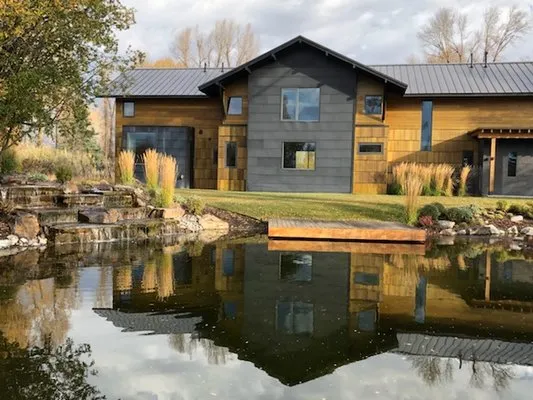
Founded in 1990, Growin Green has been an integral part of the Wilson and greater Jackson Hole community, providing thoughtful landscaping construction and unique art installations for over three deca...
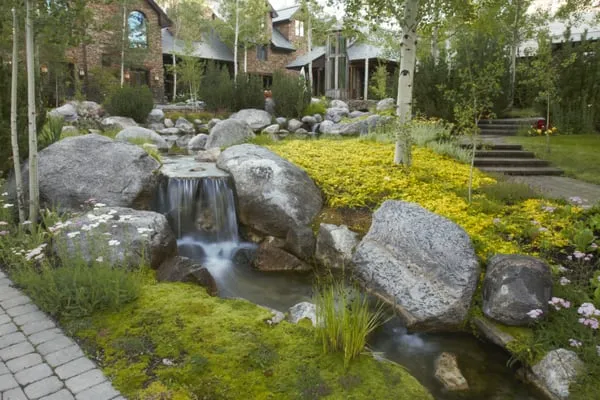
Village Gardener was founded in 1996 by a landscape professional with training from the Royal Academy of Horticulture in England, bringing a distinct European sensibility to the mountains of Jackson H...
Evergreen Tree Care & Landscaping is a trusted, local provider in Jackson, WY, dedicated to enhancing the health and beauty of your outdoor space. We specialize in comprehensive landscape maintenance ...
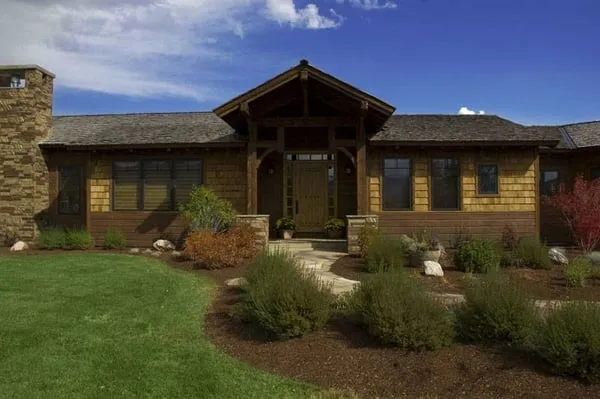
Wyoming Landscape Contractors
Wyoming Landscape Contractors is a full-service landscaping company serving Jackson, WY, and the surrounding Teton region. We specialize in comprehensive tree care, professional landscaping, and preci...
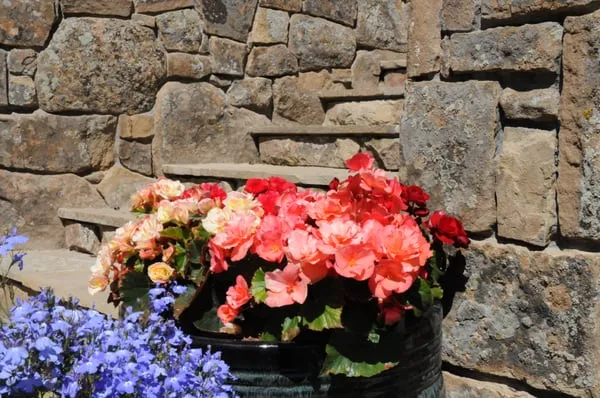
The Tree and Landscape Company
Founded in Jackson in 2001, The Tree and Landscape Company (TLC) is rooted in a deep, personal connection to the valley. Owner Harry first fell for Jackson Hole as a child and later combined his Unive...
Terrain Jackson Hole is a locally owned and operated landscaping and property maintenance company serving the Jackson community. Founded on a deep understanding of the unique Rocky Mountain environmen...
Estimated Landscaping Service Costs in Teton Village, WY
Q&A
Do we need a permit to regrade part of our 0.75-acre lot, and what should we ask our contractor?
Any significant grading that alters drainage patterns or involves over 50 cubic yards of earth typically requires review by Teton County Planning and Building Services. For a lot of this size, ensure your contractor holds appropriate licensing through the Wyoming Department of Agriculture for pesticide application if needed, and carries proof of bonding. This protects you from liability and ensures work meets sediment control and erosion prevention standards.
With Stage 1 water restrictions, how do we keep our Kentucky Bluegrass lawn healthy?
Wi-Fi ET-based irrigation controllers use local weather data to apply water only when evapotranspiration demands it, preventing overwatering. This system is programmed with specific crop coefficients for your Bluegrass and Fescue blend, aligning irrigation with voluntary conservation goals. Freeze protection shuts the system down automatically, guarding against line damage and water waste during early-season temperature drops.
We get major snowmelt runoff every spring. What's the best solution for our yard?
High snowmelt runoff over rocky skeletal soils requires managing surface flow and increasing infiltration. A tiered approach using permeable crushed aggregate in conveyance channels and local granite flagstone for dry creek beds is effective. These materials meet Teton County Planning and Building Services standards for on-site stormwater management by slowing water and allowing it to percolate, reducing erosion and downstream impact.
What invasive species should we watch for, and how do we control them safely?
Alert for Cheatgrass and Leafy Spurge, which thrive in disturbed soils and outcompete natives. Manual removal for small infestations is preferred. For larger areas, targeted, phosphorus-free herbicide applications must be timed outside of blackout periods specified in the local fertilizer ordinance, particularly near water bodies. Always follow Wyoming Department of Agriculture guidelines for application to protect watershed health.
How quickly can you respond to an emergency like a storm-damaged tree blocking a driveway?
For urgent HOA compliance or safety issues, we dispatch from the Jackson Hole Mountain Resort Aerial Tram base. Using WY-390 (Moose-Wilson Road), our electric fleet can reach Granite Ridge properties within the 45-60 minute peak storm response window. We coordinate arrival within the 8 AM to 6 PM noise ordinance window to mitigate disruption while ensuring prompt site remediation and debris management.
Our yard's soil seems thin and rocky. Is this typical for Granite Ridge, and can it be improved?
Properties in Granite Ridge developed around 1994 have acidic, gravelly loam soils approximately 32 years old. This skeletal profile results from glacial outwash and construction disturbance, leading to low organic matter and poor water retention. Core aeration in spring and fall, followed by top-dressing with compost, will build soil structure and microbial life. This process directly addresses the inherent permeability and nutrient deficiencies of our local geology.
Is local granite a better choice than wood for a new patio in our fire-prone area?
Yes. Local granite flagstone and crushed aggregate are non-combustible, mineral-based materials that contribute to a defensible space in this Extreme Fire Wise rated zone. Unlike wood, which requires chemical treatments and degrades, granite offers superior longevity with zero maintenance. Its use directly supports home ignition zone standards by removing flammable fuels adjacent to structures.
We want to reduce mowing and gas equipment noise. What are our options?
Transitioning turf areas to a xeriscape of native plants like Rocky Mountain Penstemon, Serviceberry, and Sagebrush significantly reduces bi-weekly mowing needs. This creates a climate-adaptive landscape that thrives in Zone 4a with minimal irrigation. The shift supports biodiversity and aligns with evolving noise ordinances by reducing dependency on gasoline-powered maintenance equipment.
