Top Landscaping Services in Cody, WY, 82414 | Compare & Call

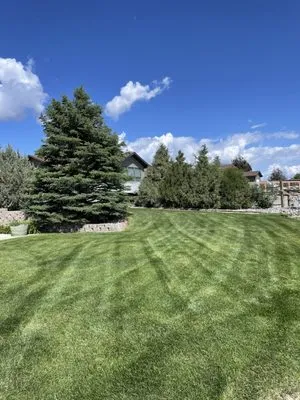
Heart Mountain Lawn Care is your trusted local expert for lawn services in Cody, WY. We specialize in comprehensive lawn care, helping homeowners tackle common local landscape challenges. In the Cody ...

For over 40 years, Green Turf Lawnscapes has been a trusted, family-owned name in Cody, Wyoming. Founded in 1984, we are the state's largest tree health care company, dedicated to providing expert law...
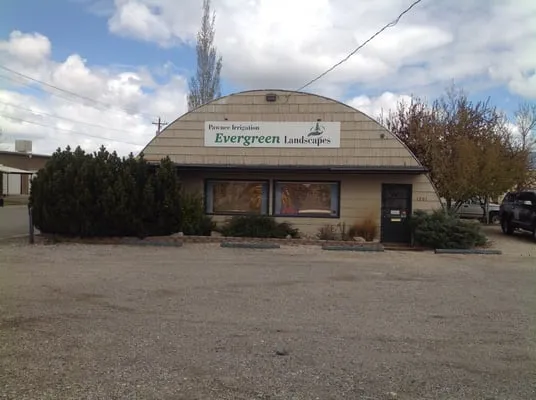
For over 60 years, Pawnee Irrigation Evergreen Landscapes has been a cornerstone of the Cody, Wyoming community, providing trusted irrigation and landscaping solutions. Conveniently located on Big Hor...

Mountain Mist Sprinkler & Landscaping
Mountain Mist Sprinkler & Landscaping is a family-run business with deep roots in Cody, Wyoming. Founded in 1981 by Hal Bischoff, the company is now owned and operated by his son, Daniel, and Daniel's...
A+ Lawn and Trees is your trusted, local partner for a healthier outdoor space in Cody, Wyoming. We specialize in comprehensive lawn care and expert tree care services tailored to the unique condition...

Proffit's Lawn Care
Proffit's Lawn Care is a trusted, locally-owned lawn and landscape service serving Cody, WY, and the surrounding area. We specialize in creating and maintaining beautiful, healthy outdoor spaces that ...
Flo-Tech Irrigation is a licensed irrigation service provider in Cody, Wyoming, with over 20 decades of experience serving the local community. As a dedicated family-owned and operated business, we sp...
DW Latimer in Cody, WY is a locally owned and operated excavation and landscaping business with over 30 years of experience serving the Big Horn Basin area. Specializing in earth work, site grading, t...
Beartooth Hydroseed is a trusted landscaping company serving Cody, WY, and the surrounding areas. We specialize in hydroseeding, a cost-effective and efficient method for establishing lush, healthy la...
Chuck's Lawn Care is a trusted local provider in Cody, WY, offering comprehensive lawn services, landscape design, and snow removal. We specialize in addressing common local landscaping challenges lik...
Frequently Asked Questions
Our patio floods in spring, then the ground cracks. What's the solution for our soil type?
Alkaline sandy loam has high permeability but is prone to localized frost heave and poor surface drainage during spring thaw. The solution is a graded system using permeable materials like local Buff Sandstone or permeable concrete pavers. These allow stormwater to infiltrate directly into the subsoil, mitigating surface pooling and reducing the thermal expansion that causes cracking. Such designs typically meet the Cody Planning Department's runoff standards by managing water on-site rather than directing it to storm sewers.
Is sandstone or wood better for a new patio, considering our weather and wildfire risk?
Local Buff Sandstone is vastly superior for longevity and fire safety. In Cody's freeze-thaw cycles and alkaline soil, wood requires constant sealing and will degrade rapidly. Sandstone is inert, durable, and when set with permeable bases, improves drainage. For fire-wise compliance in Moderate WUI Zone 2, non-combustible hardscape materials like stone are essential for creating defensible space. They provide a critical firebreak that combustible wood decks cannot, enhancing property safety and potentially lowering insurance premiums.
How do we keep our Kentucky Bluegrass green during a drought without wasting water?
Under Stage 1 voluntary conservation, efficient water use is critical. Wi-Fi ET-based weather-sensing controllers adjust irrigation schedules daily using local evapotranspiration data, applying water only when the lawn needs it. Flow monitoring detects leaks instantly. For Kentucky Bluegrass, this system targets deep, infrequent watering that encourages drought-tolerant root growth. This method maintains turf health while staying well within municipal water use expectations, often reducing consumption by 20-30% compared to traditional timers.
We want a lower-maintenance yard that's better for the environment. What should we plant?
Transitioning to a climate-adaptive xeriscape with native species is the most effective strategy. Plants like Rocky Mountain Penstemon, Blanketflower, Blue Grama, and Silver Sagebrush are evolved for Zone 4b conditions, requiring minimal water and no regular mowing or gas-powered blowing. This approach significantly reduces maintenance noise and emissions, aligning with evolving municipal noise ordinances focused on electric equipment. It also enhances local biodiversity and provides superior habitat compared to a monoculture turf lawn.
If we have a major storm, how fast can you get here for emergency tree work?
For emergency cleanup to meet HOA or safety compliance, our dispatch from the Buffalo Bill Center of the West area allows for a 15-20 minute peak response time to most Downtown Cody locations. We route via US-14/16/20, prioritizing access to main arteries. Our fleet is equipped for rapid debris management, and we coordinate with city services to ensure right-of-way clearance, adhering to the standard 7:00 AM to 9:00 PM noise ordinance window for necessary operations.
What are the biggest weed threats here, and how do we deal with them safely?
Primary invasive alerts for Cody include Leafy Spurge and Canada Thistle, which thrive in disturbed, alkaline soils. Effective management combines pre-emergent herbicide applications in early spring with targeted post-emergent spot treatments. All applications must follow Best Management Practices for nutrient runoff prevention, avoiding treatment before forecasted rain and adhering to any local blackout dates. For ecological control, promoting dense, healthy native plantings is the best long-term defense, as they outcompete invaders for resources.
Our soil is always so dry and clumpy. Is this just how it is in Cody?
Given the typical 1978 construction date of Downtown Cody homes, your soil profile is approximately 48 years old. The combination of alkaline sandy loam (pH 7.9-8.4) and decades of compaction from standard construction and maintenance practices has likely depleted organic matter. This reduces water retention, creating the dry, clumpy texture. To improve soil health, implement core aeration followed by top-dressing with composted manure, which will gradually acidify the soil and build a resilient, moisture-holding structure.
What permits and credentials should we verify before hiring for a major regrading project?
Any significant regrading on a 0.22-acre lot requires verification of a Wyoming Department of Agriculture Pesticide/Herbicide Applicator license for any soil amendments or treatments. The contractor must also pull a grading permit from the Cody Planning, Zoning and Building Department to ensure the work complies with erosion control and drainage ordinances. Using an unlicensed operator risks improper slope creation that could cause drainage issues for your or neighboring properties, leading to costly corrections and potential liability.
