Top Landscaping Services in Casper, WY, 82601 | Compare & Call

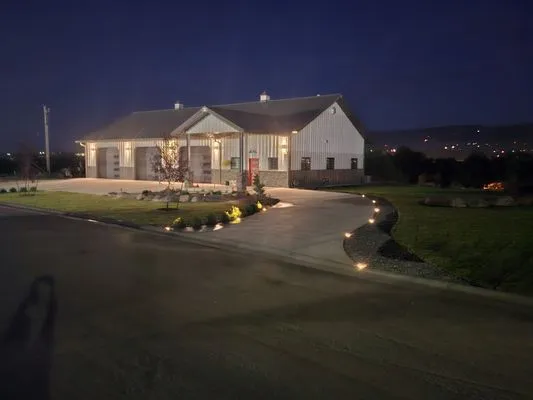
Casper Carefree Sprinklers & Landscaping
Casper Carefree Sprinklers & Landscaping is a locally owned and operated business serving the Casper, WY community. Founded by Brent M. and Jeff C., the company specializes in creating efficient, reli...
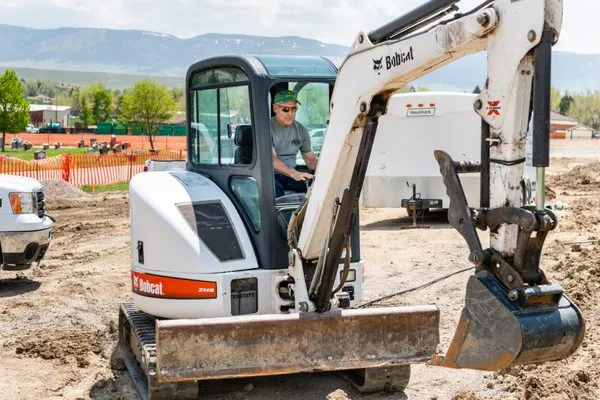
Stoner Lawn & Landscape is a trusted, locally-owned landscaping company serving Casper and the surrounding Wyoming communities. With over three decades of experience, our team provides comprehensive c...

Since 1986, Johnson Landscaping has been a trusted, family-owned business dedicated to transforming Casper's outdoor spaces. With over 35 years of experience, owner Keith Johnson and his team treat ev...

Big West Landscaping, LLC is your local partner for transforming outdoor spaces in Casper, Wyoming. As a locally owned and operated business, our team of talented landscape architects works with both ...
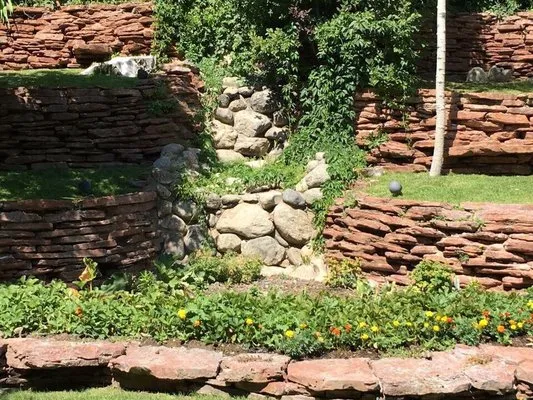
Grow & Mow is a Casper-based landscaping and snow removal service dedicated to keeping local properties safe and well-maintained year-round. Casper's weather, from heavy snows to strong winds, frequen...
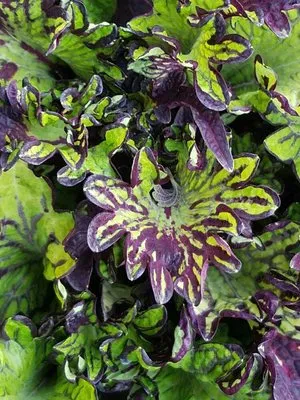
For over 50 years, Johnny Appleseed has been a cornerstone of Casper's gardening community. Founded in 1968 by Paul and now owned and operated by his son Andy, this family-run greenhouse and nursery t...
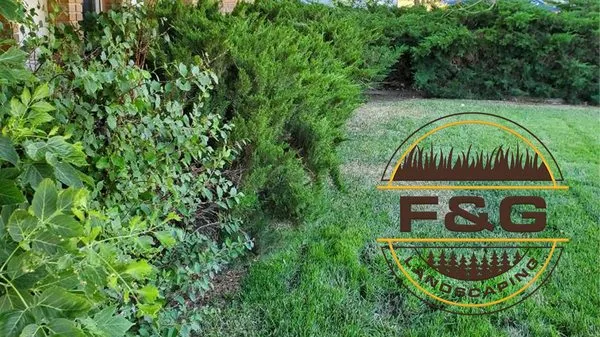
F & G Landscaping is a locally owned and operated Casper business with over a decade of dedicated service to the community. As a fully licensed and insured company, we bring reliability and expertise ...
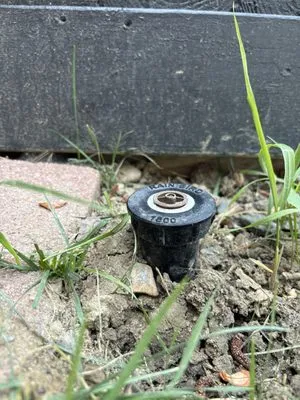
Altitude Landscaping and Seamless Gutter
Altitude Landscaping and Seamless Gutter is a Service-Connected Disabled Veteran-Owned company serving Casper, WY, since 1991. Founded by Jeremy and Shannon Shearer, the business combines Jeremy's exp...
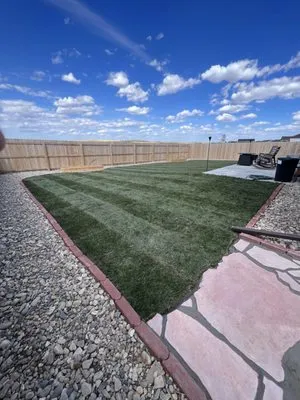
Wyoming Longhorn Landscaping
Wyoming Longhorn Landscaping is a Casper-based company specializing in landscaping, tree services, and snow removal. We help local homeowners maintain and enhance their outdoor spaces with practical, ...
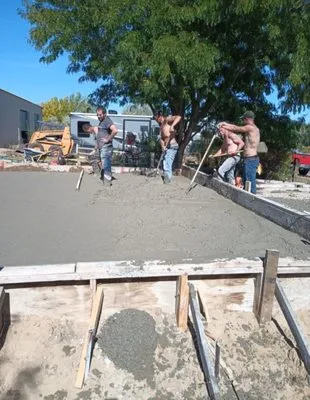
D&D Concrete & Construction
D&D Concrete & Construction is a locally owned and operated business serving Casper and the surrounding areas. With a deep understanding of Wyoming's unique climate and building needs, we specialize i...
Frequently Asked Questions
We have a major windstorm branch drop and need emergency debris cleanup to meet HOA rules. How fast can you respond?
For urgent HOA compliance or storm cleanup, our electric fleet is dispatched from near the Casper Events Center. We take I-25 to your Highland Park address, with a standard arrival window of 25 to 35 minutes during peak conditions. This efficient routing, combined with equipment that meets municipal noise standards, allows for immediate site assessment and rapid debris mitigation to restore property safety and compliance.
Water pools in our yard after every rain. What's causing this, and how do we fix it for good?
This is a classic symptom of the low-permeability clay subsoil found beneath Casper's sandy loam. Water percolates slowly, creating surface runoff and pooling. The solution involves integrating subsurface drainage like French drains with permeable hardscapes. Using crushed scoria or native sandstone for patios and paths increases ground absorption. These methods manage runoff effectively and often meet the Casper Community Development Department's standards for on-site water retention.
I'm tired of constant mowing and blowing. Are there lower-maintenance, eco-friendly alternatives?
Absolutely. Transitioning high-input turf areas to a xeriscape of regionally native plants like Blue Grama grass, Blanketflower, and Rocky Mountain Penstemon drastically reduces maintenance. These plants require no weekly mowing, minimal watering, and attract local pollinators. This approach future-proofs your landscape against potential gas-powered equipment restrictions, reduces your carbon footprint, and aligns with 2026 biodiversity and water conservation priorities.
We're adding a patio. Is wood or stone a better long-term choice for our climate and fire risk?
In Casper's Zone 4b climate with moderate fire risk (WUI Zone 2), inorganic materials like native sandstone or crushed scoria are superior. They offer exceptional longevity without rotting, warping, or termite damage. More critically, they contribute to defensible space as non-combustible materials, a key consideration for Firewise landscaping. While initial cost may be higher, their durability and safety provide a much greater return on investment than wood.
We want to re-grade our backyard for better drainage. What permits and contractor checks are required?
Significant grading on a 0.22-acre lot typically requires a permit from the Casper Community Development Department to ensure proper drainage flow and compliance with city codes. You must hire a contractor licensed by the Wyoming Department of Revenue. This licensing verifies insurance and competency, which is crucial for earthwork that can affect foundation stability and neighboring properties. Always request the contractor's license number and confirm the permit is pulled before work begins.
I've spotted Leafy Spurge in my garden. What's the safest way to remove it without harming my other plants?
Leafy Spurge is a pervasive invasive with a deep root system. Manual removal is often ineffective. The safest control method is a targeted, systemic herbicide application by a licensed professional during the plant's active growth phase, strictly following state non-phosphorus guidelines. It is critical to avoid application during blackout dates or near desirable plants to prevent collateral damage and ensure the treatment is both effective and compliant.
How can I keep my Kentucky Bluegrass healthy during Casper's Stage 1 water conservation period?
Smart Wi-Fi ET-based irrigation controllers are the key to compliance and turf health. These systems use local evapotranspiration data to apply only the precise amount of water lost daily, eliminating wasteful overwatering common with traditional timers. For Kentucky Bluegrass in Zone 4b, this means deep, infrequent watering cycles that encourage drought-tolerant roots while staying well within voluntary conservation guidelines and preserving the municipal water supply.
Our Highland Park lawn seems thin and struggles to absorb water. Does the house's age play a role?
Yes, soil conditions here are directly linked to the age of the neighborhood. Lots from the 1970s, like those with houses built around 1974, have soil over 50 years old that has become heavily compacted. The prevalent alkaline sandy loam naturally lacks organic matter, leading to poor water infiltration and nutrient availability. Annual core aeration and top-dressing with compost are essential to correct this maturity-induced compaction and improve the soil's structure for healthy root development.
