Top Landscaping Services in Wayne, WV, 25570 | Compare & Call

There are 16 landscaping companies server in Wayne WV

Elite Innovations is a Milton-based general contractor and landscaping specialist serving the Tri-State area. We provide comprehensive solutions for home improvement and outdoor spaces, from kitchen r...

Ennis Brothers is a trusted local service provider in Tornado, WV, specializing in lawn care, snow removal, and pressure washing. For Tornado homeowners facing common landscaping challenges like overg...
All Pro Handyman Services in Smithers, WV, is a locally owned and operated business founded by brothers with extensive experience in the construction industry. We started because neighbors in our comm...
Broken Drum Landscaping
Broken Drum Landscaping is a trusted local business in Hurricane, WV, specializing in comprehensive outdoor solutions for homeowners. We focus on transforming your yard into a functional and beautiful...
Nside Out Home Solutions is a Buffalo, WV-based handyman and lawn services company founded by a hard-working Christian family man who values reliability and integrity. As a new business, we bring a co...
Earp Construction & Excavating Company
Founded in 1967, Earp Construction & Excavating Company is a family-owned and operated business that has been serving the Tri-State area of West Virginia, Kentucky, and Ohio for over 45 years. The com...
First Priority Property Solutions
First Priority Property Solutions is a Hurricane, WV-based company specializing in comprehensive property preservation services for residential and commercial clients. We focus on maintaining and prot...
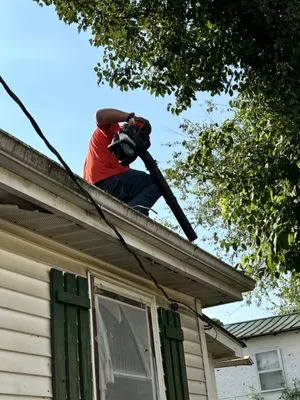
Property Solutions is your dedicated local partner for maintaining and protecting your Wayne, WV property. We specialize in gutter cleaning and comprehensive lawn care, services that directly address ...
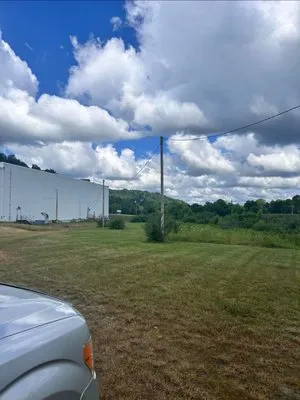
Adkins Mowing is a trusted lawn care provider serving Barboursville, WV, and the surrounding communities. We specialize in addressing the common local landscaping challenges faced by area homeowners, ...
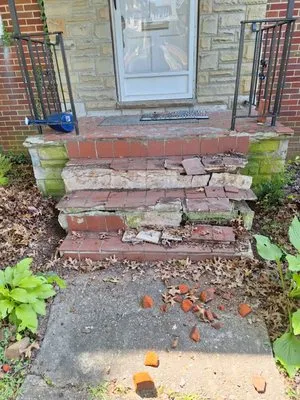
New Home Property Management is a Barboursville-based company dedicated to enhancing and maintaining the beauty and functionality of your home's outdoor spaces. We specialize in comprehensive landscap...
Estimated Landscaping Service Costs in Wayne, WV
Common Questions
My yard pools water after heavy rain. What's the best long-term fix?
Moderate runoff is common here due to our acidic silt loam's clay-heavy, compacted subsoil, which has low permeability. A integrated solution combines subsurface French drains with regrading to direct water away from foundations. Using permeable materials like native sandstone or permeable concrete for any new patios or walkways can significantly reduce surface flow, helping your project meet Wayne County Planning and Zoning Commission stormwater management expectations.
Is a smart irrigation system worth it here with no official water restrictions?
Absolutely. Voluntary conservation is prudent, and smart Wi-Fi soil moisture sensor controllers are key for efficiency. They apply water based on actual evapotranspiration (ET) and soil conditions, not a fixed schedule. This technology prevents overwatering our common Kentucky Bluegrass and Tall Fescue blends, saving 20-30% on municipal water use while promoting deeper root growth and drought resilience, keeping your turf healthy within community standards.
I want a lower-maintenance, eco-friendly yard. What should I plant?
Transitioning high-input turf areas to climate-adaptive xeriscaping with regional natives is a forward-thinking strategy. Species like Eastern Redbud, Mountain Laurel, Purple Coneflower, and Switchgrass are adapted to Zone 6b conditions and our acidic soils, requiring minimal water and no chemical inputs once established. This approach reduces mowing, preempts potential future noise ordinance shifts on gas equipment, and directly supports local biodiversity.
What are the most aggressive weeds or invasive plants I should watch for?
In Wayne's wooded interfaces, key invasive alerts include Japanese Knotweed, Multiflora Rose, and Tree-of-Heaven. These species outcompete natives and degrade soil health. Treatment involves targeted cut-stump herbicide applications or careful manual removal, timed outside the state BMP guideline blackout periods that prohibit nitrogen applications during turf dormancy. Always use a licensed applicator to ensure safe, effective control that protects surrounding desirable plants.
How quickly can you respond to a storm-damage emergency for HOA compliance?
For urgent situations like storm debris clearance to meet HOA deadlines, our standard dispatch from the Wayne County Courthouse area uses WV-152 for primary access. Accounting for typical traffic and load-out, we target a 25-35 minute arrival window during peak response hours. This routing allows efficient movement of chippers and loaders to your property for rapid site mitigation and safety restoration.
Should I use wood or stone for a new patio or retaining wall?
For longevity and fire resilience, native sandstone or permeable concrete are superior to wood. In our Moderate Wildland-Urban Interface (WUI) fire risk rating zone, non-combustible materials contribute to defensible space. Sandstone offers exceptional durability against our freeze-thaw cycles and integrates aesthetically with the local landscape. It requires less long-term maintenance than wood, which is susceptible to rot and insect damage in our humid climate.
Do I need a permit to regrade my yard or build a large patio?
Yes, significant earth moving or impervious surface installation on a 0.35-acre lot often requires approval. The Wayne County Planning and Zoning Commission reviews grading and drainage plans to ensure compliance with runoff and erosion control standards. Furthermore, any contractor performing this work must hold appropriate licensing from the West Virginia Contractor Licensing Board. This protects you from liability and ensures the work meets state building and environmental codes.
Why does my lawn seem to struggle even with fertilizer in Wayne?
Homes in the Wayne Town Center area, built around 1977, have soils approximately 50 years in development. The native Ultisols, an acidic silt loam with a pH of 5.5-6.2, have likely developed significant compaction and poor structure over decades. This dense, clay-heavy subsoil inhibits root growth and water percolation. Correcting this requires core aeration and amendments like composted leaf mold to increase organic matter and improve soil biology, rather than just applying more fertilizer.
