Top Landscaping Services in Vienna, WV, 26105 | Compare & Call
There are 39 landscaping companies server in Vienna WV
T & S Lawn-Landscape is a trusted, locally-owned landscaping company serving Parkersburg, WV, and the surrounding areas. We specialize in diagnosing and treating the common lawn problems that plague l...
Wrong To Wright Handyman Services is your local Parkersburg expert for tackling common household and yard challenges. We specialize in plumbing and lawn care, offering targeted solutions for the speci...
Top Lawn is a trusted, local lawn service provider serving Vienna, WV, and the surrounding communities. We specialize in professional lawn care and gardening services designed to tackle the specific c...
Outer Spaces Unlimited
Outer Spaces Unlimited is Parkersburg's trusted partner for comprehensive outdoor solutions. We specialize in both the artistry of landscape design and the precision of irrigation systems, ensuring yo...
M&J Precision Lawn Care is a dedicated lawn service provider in Parkersburg, WV, specializing in comprehensive lawn care solutions tailored to the local environment. We understand that Parkersburg hom...
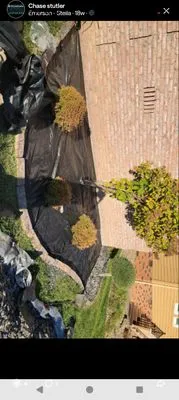
CKS Landscaping is a dedicated local company serving the Parkersburg, WV community with comprehensive lawn and shrub care. We specialize in tackling the common local issues of overgrown shrubs and pat...
Chenoweths Lawn Service is a trusted, locally-owned landscaping company dedicated to keeping Parkersburg lawns healthy and beautiful. We understand the common challenges local homeowners face, from pe...
Legacy Landscaping & Design
Legacy Landscaping & Design is a full-service Parkersburg landscaping company dedicated to enhancing and protecting your outdoor space. We specialize in creating beautiful, functional landscapes that ...
2 Point Landscaping is a Vienna-based landscaping company dedicated to enhancing and maintaining properties throughout the local community. We handle everything from building new landscapes and greens...
River City Landscaping has been serving Wood County, West Virginia, including Vienna, with reliable landscaping and outdoor care since its founding. Our team combines local knowledge with practical ex...
Estimated Landscaping Service Costs in Vienna, WV
Common Questions
Why is my soil so compacted and hard to work with?
Homes in the Grand Central District, built around 1967, have soil that is now nearly 60 years old. This acidic silt loam naturally compacts over decades, especially under the weight of construction and routine traffic. The clay-heavy subsoil common here restricts root growth and water percolation. Annual core aeration and adding compost are essential to rebuild soil structure and counteract this long-term compaction.
My yard floods after heavy rain. What's a permanent solution?
Moderate runoff here is exacerbated by the native acidic silt loam and its compacted clay subsoil, which has low permeability. A graded French drain system is often required to redirect water. For new hardscapes, specifying permeable concrete pavers or locally sourced sandstone set with gravel joints can significantly increase surface infiltration, helping projects meet the Vienna Planning & Zoning Department's updated stormwater management standards.
Do I need a permit to regrade my backyard, and who is qualified to do it?
Yes, regrading a 0.22-acre lot typically requires a permit from the Vienna Planning & Zoning Department to ensure proper drainage and compliance with erosion control ordinances. The work must be performed by a contractor licensed by the West Virginia Division of Labor. This licensing guarantees expertise in significant earth-moving, which is crucial for preventing structural damage to your property or negatively impacting neighboring lots.
How fast can you respond to an emergency storm cleanup to avoid HOA fines?
For urgent HOA compliance issues, our standard dispatch from Jackson Memorial Park uses WV-14 for direct access to the Grand Central District, ensuring a 15-20 minute peak response time. We coordinate with the city for debris removal routes and utilize electric equipment to comply with noise ordinances during restricted hours. This logistics plan is designed for rapid mitigation of fallen limbs or blocked drainage paths.
Are concrete pavers or wood better for a new patio here?
For longevity and low maintenance in our climate, concrete pavers or local sandstone far outperform wood. They are impervious to rot, insect damage, and the freeze-thaw cycles of Zone 6b. From a fire-wise perspective, these non-combustible materials are recommended for creating defensible space in Moderate-rated urban interface areas, providing a durable and safer hardscape solution.
How can I keep my lawn green during summer without violating water rules?
Under Vienna's voluntary conservation status, Wi-Fi ET-based irrigation controllers are critical. They adjust watering schedules daily based on local evapotranspiration data, applying water only when the Kentucky Bluegrass and Tall Fescue blend truly needs it. This technology can reduce water use by 20-30% compared to traditional timers, maintaining turf health precisely within municipal guidelines and preventing overwatering into compacted subsoils.
What's a lower-maintenance, eco-friendly alternative to my traditional lawn?
Transitioning high-input turf areas to a native plant community is a forward-looking strategy. Species like Eastern Redbud, Purple Coneflower, Butterfly Milkweed, and Switchgrass are adapted to Zone 6b, require minimal watering once established, and support local pollinators. This shift reduces mowing frequency, eliminates gas-powered blower noise, and creates a resilient landscape that aligns with evolving electric equipment mandates and biodiversity goals.
What are the biggest weed threats and how should I handle them?
Invasive species like Japanese Knotweed and Lesser Celandine are prevalent threats in Vienna. Manual removal and targeted, professional-grade herbicide applications are most effective. All treatments must follow State BMP guidelines, which prohibit application near waterways and may have seasonal blackout dates to protect water quality. A healthy, dense turf or native planting is the best long-term defense against infestation.
