Top Landscaping Services in Stonewood, WV, 26301 | Compare & Call

There are 42 landscaping companies server in Stonewood WV

Founded with a blend of youthful drive and seasoned professionalism, A-Team Pro Contractors brings over three decades of combined experience to Salem, WV. We are a dedicated team specializing in compr...

Appalachian Garden & Landscape brings over seven years of dedicated horticulture and lawn care experience to the Morgantown area. We believe in building sustainable, healthy landscapes that thrive and...
West Virginia Property Maintenance
West Virginia Property Maintenance is your local, full-service solution for property care in Clarksburg and surrounding counties. We specialize in transforming overgrown properties into clean, safe, a...
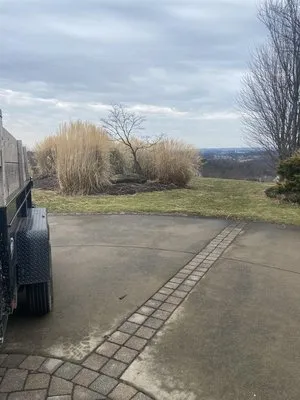
MVP Maintenance is your local, full-service solution for landscaping, property cleanout, and junk removal in Morgantown, WV. We understand the unique challenges of our region, from moss taking over la...

Founded on a lifetime of hands-on experience, Call Us To Do It brings a unique perspective to Mannington's home service needs. I started my career flipping burgers at McDonald's and worked my way thro...

Coy Lawn & Snow is a locally owned and operated lawn and snow management service in Morgantown, WV, with over six years of experience. Founded and run by owner J.R., the business is built on principle...
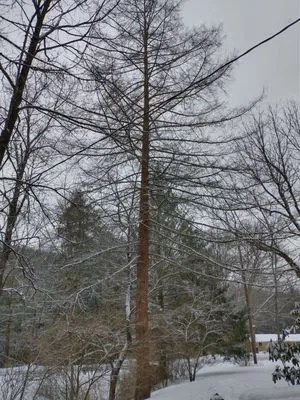
Tree Frog Arboriculture, based in Bruceton Mills, WV, is a tree care and landscaping service dedicated to the health and safety of your property. We combine professional arboriculture with comprehensi...
Skyward Tree Service & Maintenance is a full-service landscaping and property care company serving Tunnelton, WV, and surrounding areas. We specialize in comprehensive solutions for local homeowners f...
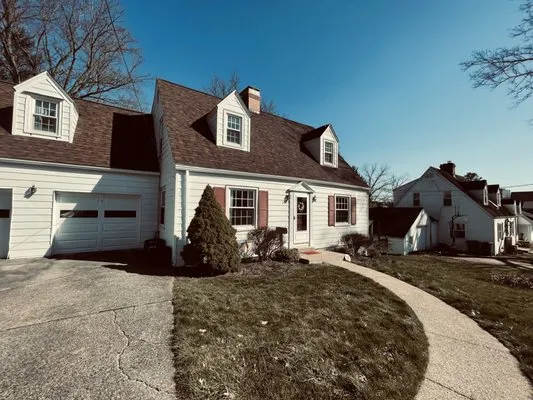
The Garden Gnome is your local Fairmont partner for lawn and garden care. We focus on providing dependable lawn mowing, precise edging, and thorough cleanup, along with personalized gardening services...

Two Good Hands is your trusted local handyman and lawn services provider in Bridgeport, WV, offering comprehensive solutions for homeowners. We specialize in appliance installation, door and drywall r...
Estimated Landscaping Service Costs in Stonewood, WV
Frequently Asked Questions
What solutions address moderate runoff in my sloped backyard?
Seasonal soil saturation in Stonewood's acidic silty clay loam requires integrated drainage strategies. Permeable locally sourced sandstone pavers installed with gravel bases increase surface infiltration by 40-60% compared to solid concrete. French drains directing water to rain gardens planted with native Switchgrass and Maidenhair Fern manage runoff while meeting Harrison County Planning Department standards. These systems work synergistically to reduce erosion and basement moisture issues common in properties with moderate drainage hazards.
Are sandstone pavers better than wood for Stonewood's climate and fire safety?
Locally sourced sandstone pavers offer superior longevity in Zone 6b, withstanding freeze-thaw cycles for 30+ years versus wood's 10-15 year lifespan. Their non-combustible nature supports Moderate Firewise USA Community Standards by creating defensible space around structures. Sandstone's thermal mass moderates microclimates while its permeability reduces runoff compared to solid surfaces. This material requires minimal maintenance and integrates naturally with Stonewood's geological character.
How quickly can you respond to emergency storm damage for HOA compliance?
Emergency cleanup crews dispatch from Stonewood Park via US Route 50, arriving within 20-30 minutes during peak conditions. This routing prioritizes accessibility to the Stonewood Historic District while accounting for traffic variables. Teams carry electric chainsaws and chippers that comply with residential noise ordinances, enabling immediate debris removal and hazard mitigation. Documentation for HOA compliance is provided within 24 hours of service completion.
Why does my Stonewood Historic District lawn struggle with compaction and poor drainage?
Stonewood's 1954 average home construction means soil has matured for 72 years, developing dense acidic silty clay loam typical of older neighborhoods. This soil type naturally compacts over decades, reducing permeability and oxygen availability to roots. Core aeration every 1-2 years with organic amendments like composted leaf mold addresses compaction while gradually adjusting pH toward neutral. Historic district lots often require this maintenance cycle to maintain healthy turf and planting beds.
Should I install smart irrigation with Stonewood's current water restrictions?
While Stonewood has no formal water restrictions, smart Wi-Fi soil moisture sensor controllers optimize Tall Fescue health while conserving 30-50% of typical municipal water use. These systems calculate evapotranspiration rates specific to USDA Zone 6b, delivering water only when soil moisture drops below optimal levels. This technology prevents overwatering that exacerbates seasonal soil saturation issues common in silty clay loam. Professional calibration ensures irrigation matches both turf needs and conservation best practices.
What permits and licenses are needed for grading my quarter-acre lot?
Grading projects on 0.25-acre lots require Harrison County Planning Department permits for erosion control and drainage compliance. Contractors must hold West Virginia Division of Labor licensing for earthwork exceeding 100 cubic yards, ensuring proper bonding and insurance. Professional licensing verifies understanding of slope stability calculations and sediment barrier installation specific to silty clay loam soils. Unlicensed grading risks fines and voided insurance coverage while potentially exacerbating neighborhood drainage issues.
What invasive species threaten Stonewood lawns and how should I treat them?
Japanese stiltgrass and garlic mustard present primary invasive risks in Stonewood's acidic soils, outcompeting natives and reducing biodiversity. Manual removal before seed set combined with targeted organic herbicides avoids phosphorus fertilizer ordinance violations. Treatment timing considers West Virginia's prohibited application windows while supporting soil microbial health. Regular monitoring and native groundcover establishment create resilient ecosystems that resist reinfestation without chemical dependency.
How can I reduce maintenance while preparing for electric equipment mandates?
Replacing high-maintenance turf corridors with native plantings of Eastern Redbud, Purple Coneflower, and Black-eyed Susan creates biodiverse landscapes requiring minimal intervention. These adapted species thrive in Zone 6b with infrequent watering, eliminating weekly mowing and reducing gas-powered equipment use ahead of noise ordinance expansions. Mycorrhizal inoculants boost establishment while supporting 2026 biodiversity standards. This approach transitions properties toward quieter, pollinator-friendly environments with lower carbon footprints.
