Top Landscaping Services in South Charleston, WV, 25064 | Compare & Call
There are 149 landscaping companies server in South Charleston WV

Evergreen Lawncare and Landscaping
Evergreen Lawncare and Landscaping has been serving the Charleston community since 2017, bringing over three decades of combined industry experience to every project. We specialize in creating and mai...
All-4-U-Landscaping is a dedicated local landscaping service in Saint Albans, WV, focused on solving the common area problems of overgrown shrubs and compacted soil. We understand that dense, compacte...
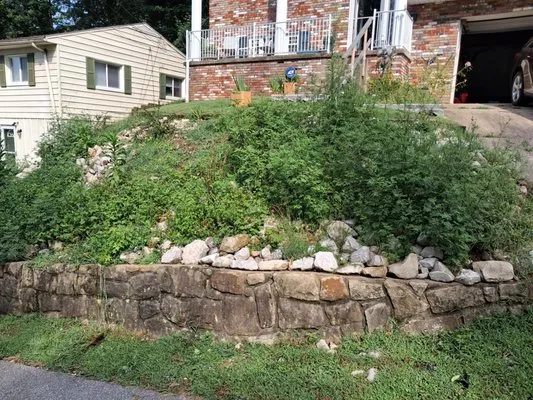
Turf Integrity LLC is a Charleston-based lawn and garden service dedicated to reliable, customer-focused care. We believe in straightforward value: you only pay once you’ve inspected and approved our ...

Real Priddy Lawncare is your trusted local lawn service in Poca, WV, dedicated to keeping your property healthy and vibrant. We understand the specific challenges homeowners face in our area, includin...
Keeney Landscaping provides professional tree and lawn care services for homeowners in Dunbar, WV, and the surrounding Kanawha Valley. We understand the unique challenges of our local climate, includi...
Quality Lawn Services is a dedicated lawn care provider in Charleston, WV, focused on maintaining and enhancing residential and commercial properties. We understand the common local challenges homeown...
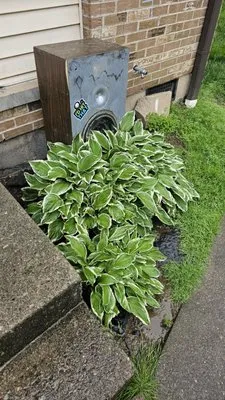
Patriot Lawn And Landscaping is a dedicated local lawn service provider in South Charleston, WV, specializing in comprehensive lawn care. We understand the common challenges homeowners face, such as s...
Alsome Tree Service provides comprehensive lawn and tree care for homeowners in Belle, WV. We understand the local challenges, such as persistent mulch bed weeds and common lawn fungus diseases that c...
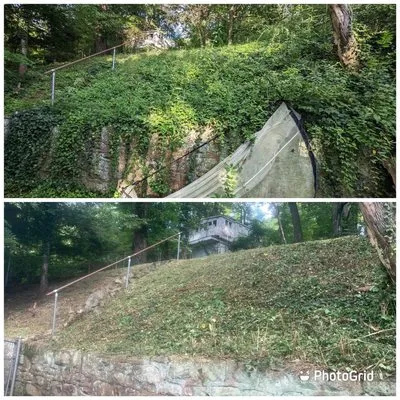
Sue's Renovations is a trusted, locally-owned service provider in Logan, WV, offering comprehensive solutions for both your indoor and outdoor spaces. We specialize in home and office cleaning, as wel...
Blevco Resources, operating locally as Blevco Construction and Blevco Landscaping, is your Nitro-based general contractor and excavation specialist. As a full-service company, we handle everything fro...
Estimated Landscaping Service Costs in South Charleston, WV
Q&A
What permits and licenses are required for grading my 0.22-acre lot?
Grading that alters water flow patterns requires South Charleston Building & Zoning Department approval, particularly for lots over 0.1 acres. The West Virginia Contractor Licensing Board mandates specific landscaping licenses for earth moving exceeding 50 cubic yards. Always verify contractor credentials through both entities, as improper grading can violate municipal runoff standards and create liability issues.
What solutions prevent runoff on my steep South Charleston slope?
Acidic silty clay loam has high runoff potential, particularly on slopes exceeding 15% grade. Permeable Pennsylvania Bluestone installations with gravel bases increase infiltration rates by 60-80% compared to solid concrete. These systems meet South Charleston Building & Zoning Department's runoff standards while preventing erosion. French drains with clean stone aggregate provide additional subsurface drainage capacity.
How does Pennsylvania Bluestone compare to wood for patio longevity?
Pennsylvania Bluestone outlasts pressure-treated wood by 3-4 times in South Charleston's climate, with minimal maintenance required. Its non-combustible properties support Moderate Fire Wise ratings by creating defensible space in Wildland-Urban Interface zones. Properly installed with polymeric sand joints, bluestone patios maintain permeability while resisting frost heave common in Zone 6b winters.
How quickly can you respond to storm damage for HOA compliance?
Emergency cleanup crews dispatch from Little Creek Park via I-64, arriving within 20-30 minutes during peak conditions. Our electric maintenance fleet operates within South Charleston's noise ordinance quiet hours (10 PM-7 AM) while handling fallen limbs and debris. We prioritize safety assessments first, then debris removal using electric chippers that meet 2026 municipal noise standards for residential areas.
What invasive species threaten my landscape and how should I manage them?
Japanese knotweed and tree-of-heaven present significant risks in Kanawha City's disturbed soils. Mechanical removal followed by targeted herbicide applications during active growth phases avoids West Virginia BMP guidelines prohibiting treatments on frozen ground. Always coordinate with licensed applicators who understand local blackout dates and proper mycorrhizae inoculation for soil recovery post-removal.
How do I maintain my Kentucky Bluegrass blend during dry periods without violating water restrictions?
Smart Wi-Fi soil moisture sensors prevent overwatering by tracking evapotranspiration rates specific to South Charleston's Zone 6b climate. These controllers adjust irrigation schedules based on real-time soil conditions, maintaining turf health while conserving 30-40% more water than traditional timers. During Stage 0 restrictions, this technology ensures compliance while preserving the Tall Fescue component's drought tolerance.
Can I reduce maintenance while supporting local biodiversity?
Replacing high-input turf with Eastern Redbud, Flowering Dogwood, and Switchgrass natives reduces mowing frequency and eliminates gas-powered equipment noise. This transition supports 2026 biodiversity standards by providing habitat for pollinators while requiring 70% less water than traditional lawns. Purple Coneflower plantings further enhance ecological function without violating evolving noise ordinances targeting gas blowers.
Why does my Kanawha City lawn struggle with compaction and poor drainage?
South Charleston's 1959-era homes have soil that has matured for 67 years, developing the acidic silty clay loam common in this neighborhood. This soil type naturally compacts over decades, reducing permeability and creating anaerobic conditions. Core aeration with organic amendments like composted leaf mold addresses compaction while gradually adjusting pH toward optimal 6.0-6.5 for turf health. Regular soil testing every 2-3 years monitors these changes.
