Top Landscaping Services in Sophia, WV, 25921 | Compare & Call

There are 85 landscaping companies server in Sophia WV
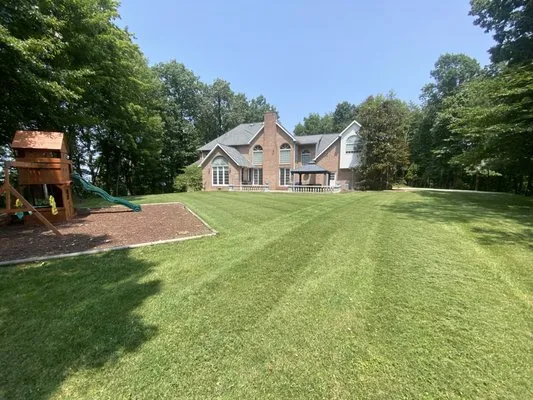
Lawrence Lawn Care is Elkview's trusted partner for reliable lawn services, specializing in solutions tailored to our local landscape. We understand the specific challenges homeowners face, such as ma...
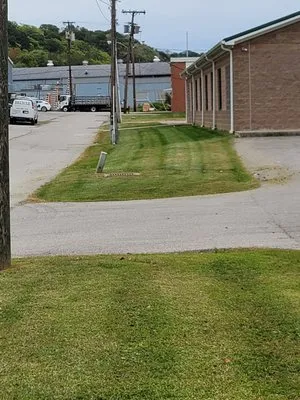
Kanawha Valley Lawn Care is your trusted local lawn service in South Charleston, WV. We specialize in comprehensive lawn care to tackle common area issues like unsightly bare patches and dying shrubs....
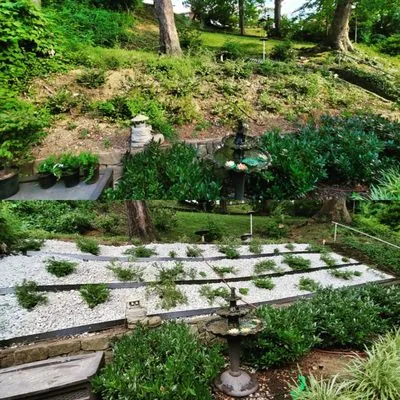
For over twelve years, ENVY Pristine Landscapes has been the trusted choice for professional lawn care and landscaping in Charleston and South Charleston, WV. Founded by Michael, the company is built ...
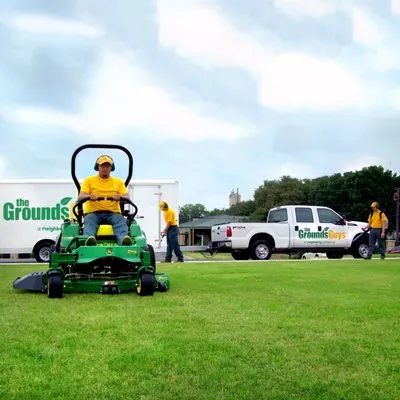
The Grounds Guys of Charleston, WV is a locally owned and operated landscaping company dedicated to the care and improvement of properties throughout the Kanawha Valley. Founded on a family legacy of ...
Patriot Tree Experts is a veteran-owned, licensed, and insured tree care company serving the Charleston, West Virginia community. Our team of certified arborists and skilled operators provides compreh...
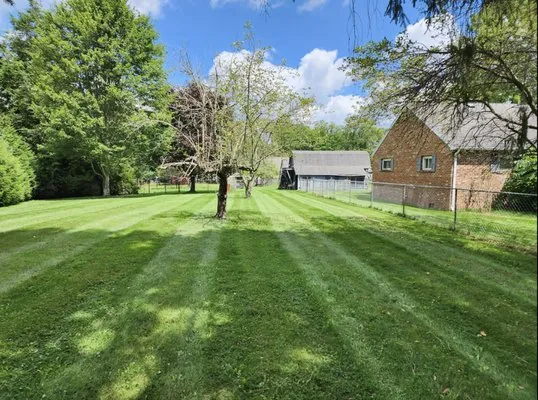
Grazing Goats Lawncare is a dedicated lawn service provider in Shady Spring, WV, focused on creating and maintaining healthy, resilient lawns. We understand the common local challenges of poor lawn gr...

Cooper's Lawn Service in Beaver, WV is a family-owned and operated business founded on the principle of giving 100% to every customer. After years of working for other landscaping companies, the owner...
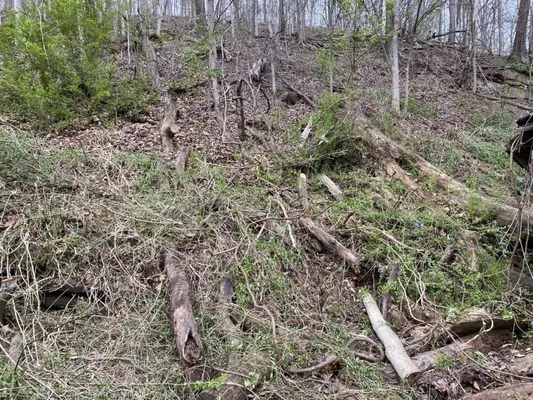
Jordan Landscaping is a family-owned and operated business proudly serving Charleston, WV. Founded by two brothers, it began as a simple grass-cutting service and has grown to meet the community's div...
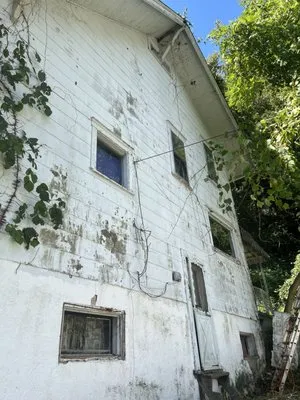
Jake's Home Services is a trusted Charleston, WV lawn care provider dedicated to keeping local landscapes healthy and vibrant. We understand that issues like sprinkler coverage gaps and leaks are comm...
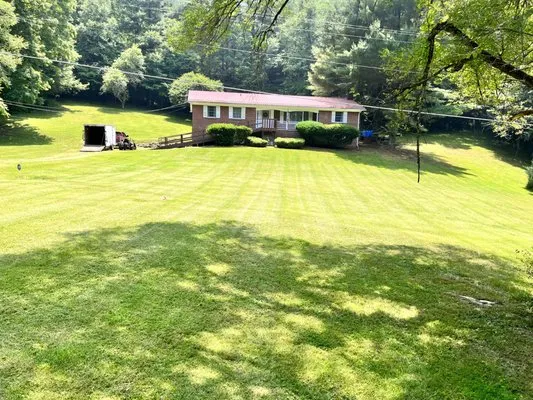
Rooted In Christ Lawn Care is a trusted lawn service provider in Scarbro, WV, dedicated to maintaining healthy, beautiful landscapes for our community. We understand the common local challenges of sta...
Estimated Landscaping Service Costs in Sophia, WV
FAQs
Our Sophia Heights yard has never looked quite right. Is the soil to blame?
Properties built in the late 1960s, like many in Sophia Heights, have had nearly 60 years to develop soil structure. The prevalent acidic silty loam naturally becomes compacted over decades, especially under weekly mowing. This compaction reduces pore space, limiting root penetration and water percolation. Core aeration followed by top-dressing with composted organic matter is a critical first step to rebuild soil health. Amending with lime to raise the pH toward 6.5 can also improve nutrient availability for your Tall Fescue.
We're adding a patio. Is sandstone better than a wood deck for our area?
For longevity and reduced maintenance in Sophia's climate, sandstone pavers are a superior choice. They offer exceptional durability against freeze-thaw cycles and do not require the annual sealing or staining of wood. From a Fire Wise perspective, a non-combustible sandstone patio contributes directly to the defensible space required in Moderate (WUI Zone 2) rated areas, enhancing home safety by creating a barrier against ground fire spread.
Our yard gets soggy and erodes on slopes every spring. What's a long-term fix?
Moderate runoff and seasonal saturation are common challenges with acidic silty loam soils, which have moderate permeability that slows under compaction. Solutions include installing French drains to intercept subsurface water and regrading slopes to a gentler, more stable incline. For new hardscapes, specifying permeable sandstone paver systems can significantly reduce surface runoff, helping projects meet Raleigh County Planning & Development's stormwater management standards.
A storm damaged trees and our HOA gave us a 72-hour notice for cleanup. Can you respond quickly?
Yes. Our standard emergency dispatch for Sophia Heights originates near Sophia City Hall. Crews travel north on local routes to I-77, which provides direct access to your neighborhood barring major incidents. This routing typically results in a team arriving on-site within 25-35 minutes of dispatch, even during peak post-storm response windows. We prioritize securing hazardous limbs and clearing driveways to achieve immediate HOA compliance, followed by systematic debris removal.
We see a vine taking over our shrubs. How do we stop it without harming everything else?
That vine is likely an invasive species like English Ivy or Japanese Honeysuckle, which thrive in our zone 6b conditions. Manual removal is most effective for immediate control, ensuring you extract the root crowns. For persistent regrowth, a targeted, foliar-applied glyphosate treatment in late summer may be necessary. It is critical to adhere to state BMP guidelines, which prohibit any nitrogen applications during frozen ground periods and require careful application to avoid drift onto desirable plants.
We want to regrade our backyard for better drainage. Do we need a permit or special contractor?
Yes. Significant regrading on a 0.35-acre lot typically requires a permit from the Raleigh County Planning & Development office to ensure the work does not adversely impact stormwater flow or neighboring properties. Furthermore, the contractor must hold appropriate licensing through the West Virginia Contractor Licensing Board. This licensing ensures they carry the required insurance and possess the expertise to execute earthwork that complies with local codes and state BMPs for erosion and sediment control.
We want a green lawn but don't want to waste water. What's the most efficient system?
In Sophia's current Stage 0 restriction status, proactive conservation is key. A smart, Wi-Fi-enabled ET-based irrigation system uses local weather station data to apply only the water lost to evapotranspiration, preventing overwatering. This technology is particularly effective for Tall Fescue, which has deep roots but suffers under drought stress. Properly calibrated, such a system can maintain turf health while reducing potable water use by 20-30%, keeping you well within any future municipal limits.
We're tired of the constant mowing and blowing. Are there lower-maintenance options?
Absolutely. Transitioning high-maintenance turf areas to a palette of regionally native plants like Eastern Redbud, Switchgrass, and Allegheny Spurge drastically reduces water, fertilizer, and maintenance inputs. This xeriscaping approach also future-proofs your property against evolving noise ordinances targeting gas-powered blowers and mowers. An electric maintenance fleet, combined with these plantings, creates a quieter, more ecologically resilient landscape aligned with 2026 biodiversity goals.
