Top Landscaping Services in Shinnston, WV, 26431 | Compare & Call

There are 54 landscaping companies server in Shinnston WV

Founded with a blend of youthful drive and seasoned professionalism, A-Team Pro Contractors brings over three decades of combined experience to Salem, WV. We are a dedicated team specializing in compr...
Appalachian Garden & Landscape brings over seven years of dedicated horticulture and lawn care experience to the Morgantown area. We believe in building sustainable, healthy landscapes that thrive and...
West Virginia Property Maintenance
West Virginia Property Maintenance is your local, full-service solution for property care in Clarksburg and surrounding counties. We specialize in transforming overgrown properties into clean, safe, a...
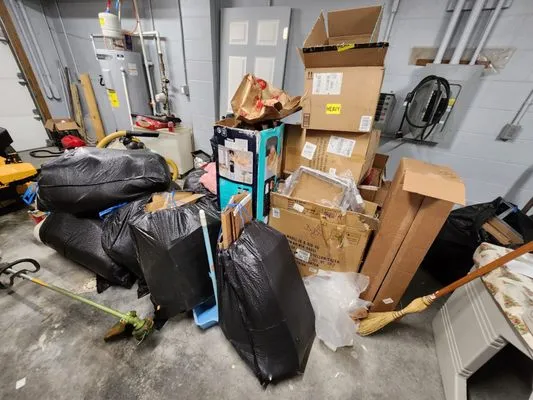
C M O Trailer Rental & Debris Removal is a family-owned and operated business serving Morgantown, WV, with reliable dumpster rental and property management solutions. We specialize in construction deb...
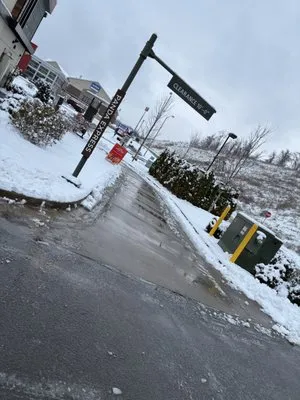
King Solomon Creations Lawncare is a locally owned and operated lawn service business in Morgantown, WV, founded in 2022 by owner Sam. With a focus on dependable, high-quality lawn care, the company t...
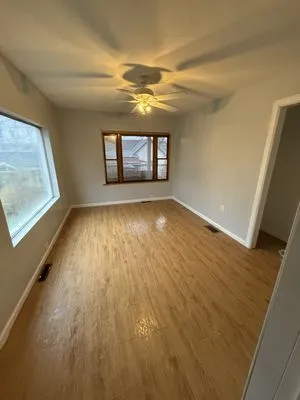
Hilling Solutions is a trusted Morgantown handyman service specializing in drywall installation & repair, landscaping, and comprehensive home maintenance. Serving the local community, we help homeowne...
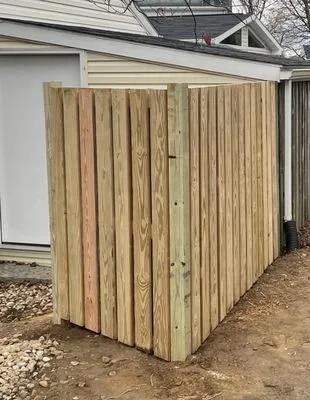
Landscape Creations
Landscape Creations is a locally owned and operated landscaping and contracting business serving Morgantown, WV, and the surrounding areas. Founded in 2020, we bring a dedicated approach to transformi...
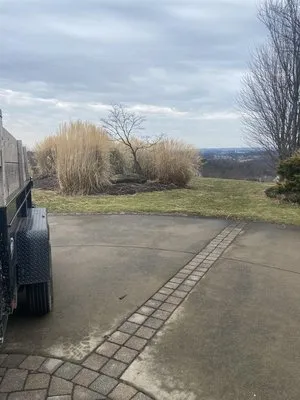
MVP Maintenance is your local, full-service solution for landscaping, property cleanout, and junk removal in Morgantown, WV. We understand the unique challenges of our region, from moss taking over la...

Founded on a lifetime of hands-on experience, Call Us To Do It brings a unique perspective to Mannington's home service needs. I started my career flipping burgers at McDonald's and worked my way thro...

Thornsley Tree & Landscape is a Granville-based outdoor property contractor specializing in comprehensive tree care, lawn services, and snow removal. Founded and operated by Logan Thornsley, who holds...
Estimated Landscaping Service Costs in Shinnston, WV
Question Answers
What invasive species should I watch for in my Shinnston landscape, and how do I treat them safely?
Japanese knotweed and garlic mustard present significant invasive risks in West Virginia's acidic soils. Treatment requires careful timing outside WVDNR nutrient management blackout dates, typically avoiding spring application periods. Manual removal combined with targeted organic herbicides applied during dormancy prevents soil disturbance while complying with state fertilizer ordinances. Regular monitoring near property edges and waterways is crucial for early detection.
What permits and licenses are needed for grading work on my quarter-acre lot?
Grading on a 0.25-acre lot requires Shinnston City Planning Commission approval for erosion control and drainage plans. Contractors must hold West Virginia Division of Labor licensing for excavation work exceeding 18 inches depth or involving structural changes. This ensures compliance with state sediment control regulations and proper engineering for Shinnston's moderate runoff conditions. Unlicensed grading can violate municipal codes and create downstream liability issues.
How can I prevent seasonal saturation in my yard's low-lying areas?
Seasonal saturation in acidic silty clay loam requires strategic drainage solutions. Installing permeable sandstone or concrete paver systems creates infiltration zones that meet Shinnston City Planning Commission runoff standards. These materials allow water percolation while directing excess flow away from structures, particularly effective when combined with French drains in persistently wet zones common to Downtown Shinnston's topography.
What are my options for reducing lawn maintenance while staying ahead of potential equipment regulations?
Transitioning high-maintenance turf to native plantings like Eastern Redbud, Flowering Dogwood, Purple Coneflower, and Switchgrass reduces mowing frequency and anticipates future gas-blower restrictions. These species thrive in USDA Zone 6b with minimal irrigation, creating habitat corridors that support 2026 biodiversity standards. This approach also decreases weekly maintenance from April through October while enhancing ecological function.
Why does my Downtown Shinnston yard have such dense, heavy soil that won't drain properly?
Properties in Downtown Shinnston built around 1957 have acidic silty clay loam soils that have matured for nearly 70 years. This extended timeframe has allowed clay particles to compact, reducing soil percolation and creating seasonal saturation. Core aeration with organic amendments like composted leaf mold is essential to improve permeability and counteract the natural compaction of this soil type over decades.
Are sandstone pavers better than wood for my patio in Shinnston's moderate fire risk area?
Sandstone pavers provide superior longevity and fire resistance compared to wood in Shinnston's Moderate Wildland-Urban Interface rating. Their non-combustible nature creates defensible space while withstanding freeze-thaw cycles in USDA Zone 6b. Concrete pavers offer similar benefits with higher permeability ratings. Both materials require minimal maintenance and won't degrade like wood, making them ideal for creating fire-resistant zones around structures.
How quickly can you respond to an emergency cleanup after a storm in Downtown Shinnston?
Emergency storm response typically requires 20-30 minutes during peak conditions. Our dispatch routes from Ferguson Memorial Park via US Route 19 to access Downtown Shinnston neighborhoods efficiently. This timing accounts for debris clearance while adhering to standard quiet hours from 10 PM to 7 AM, using electric equipment where possible to minimize noise ordinance concerns.
What's the most efficient way to water my Kentucky Bluegrass lawn in Shinnston's water-abundant environment?
Despite no current water restrictions, efficient irrigation preserves municipal resources while maintaining turf health. Standard drip or soaker hose systems deliver water directly to root zones, reducing evaporation by 30-50% compared to sprinklers. For Kentucky Bluegrass and Tall Fescue blends, this method provides consistent moisture without oversaturation, particularly important during Shinnston's moderate runoff periods in lowland areas.
