Top Landscaping Services in Saint Marys, WV, 26170 | Compare & Call

There are 17 landscaping companies server in Saint Marys WV

Irish Landscaping & Auto Detailing
Irish Landscaping & Auto Detailing is a locally-owned, veteran-operated business in Parkersburg, WV, founded on a commitment to quality and personal service. With extensive experience in both landscap...
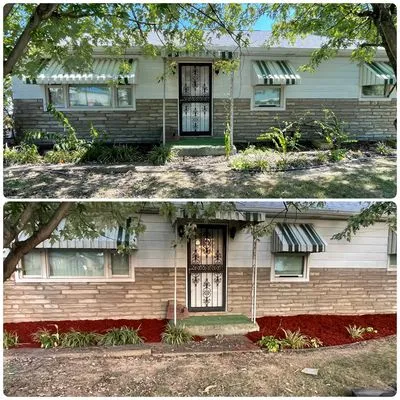
G & S Lawn Services is your trusted, locally-owned partner for a well-maintained property in Parkersburg, WV. We believe a beautiful lawn and clean home exterior are sources of pride, and we're dedica...
2 Point Landscaping is a locally-owned service in Parkersburg, WV, dedicated to providing affordable and dependable lawn and shrub care. We operate on a straightforward, transparent pricing model to e...
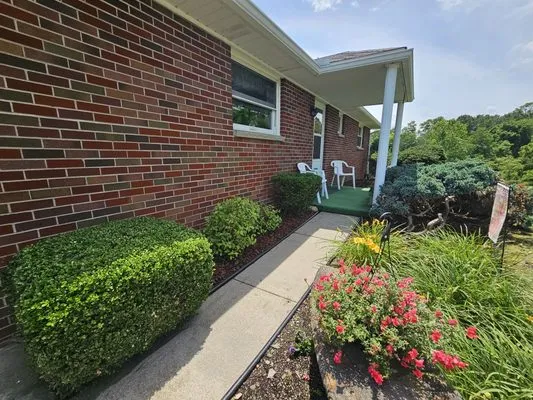
General Property Cleanup in Williamstown, WV is a locally owned and operated business that began in 2020 when the founders couldn't find affordable, quality lawn care in their own community. Frustrate...
2 Point Landscaping is a Vienna-based landscaping company dedicated to enhancing and maintaining properties throughout the local community. We handle everything from building new landscapes and greens...
River City Landscaping has been serving Wood County, West Virginia, including Vienna, with reliable landscaping and outdoor care since its founding. Our team combines local knowledge with practical ex...
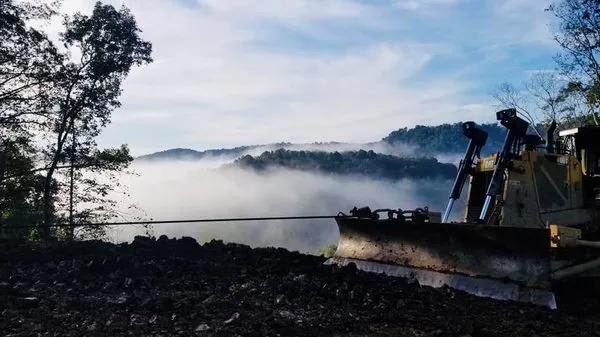
Paragon Services
Paragon Services is a licensed home services provider based in Ravenswood, WV, specializing in demolition, excavation, and landscaping. With a strong focus on safety and efficiency, they handle projec...
Griffin's Home Improvement in Waverly, WV, is your trusted local partner for comprehensive landscaping, pressure washing, and gutter services. Our team understands the specific challenges faced by Wav...

Jack of all trades in Vienna, WV is a local startup offering reliable lawn services and handyman solutions for homeowners. We specialize in appliance installation, handyman assembly, caulking, install...
Founded with a blend of youthful drive and seasoned professionalism, A-Team Pro Contractors brings over three decades of combined experience to Salem, WV. We are a dedicated team specializing in compr...
Estimated Landscaping Service Costs in Saint Marys, WV
Question Answers
How quickly can you respond to an emergency tree cleanup after a storm?
Emergency storm response from Saint Marys City Hall via WV-2 typically requires 20-30 minutes during peak conditions. Our electric maintenance fleet operates within the 7:00 AM to 9:00 PM noise ordinance window while minimizing disruption. We prioritize safety assessments and debris removal to restore property access and prevent further damage. This routing ensures compliance with both municipal regulations and HOA requirements.
Are local sandstone pavers better than wood for long-term durability?
Local sandstone pavers offer superior longevity with 50+ year lifespans compared to wood's 10-15 year replacement cycle. Their non-combustible nature contributes to Low Fire Wise ratings by creating defensible space in urban-suburban interfaces. Sandstone requires minimal maintenance and develops a natural patina over time. This material choice provides permanent structure while reducing long-term maintenance costs and fire risks.
Why does my Downtown Saint Marys lawn struggle despite regular care?
Properties in Downtown Saint Marys built around 1961 have 65-year-old soil profiles with acidic silt loam (pH 5.8-6.2) that has become compacted over decades. This compaction reduces permeability and oxygen availability to root zones. Core aeration every 2-3 years combined with organic amendments like composted leaf mold addresses these issues by improving soil structure and microbial activity. The mature soil requires specific management to support healthy turf and planting beds.
How should I handle invasive species without harming my existing plants?
Common invasive alerts in Zone 6b include Japanese knotweed and garlic mustard that outcompete native vegetation. Manual removal during early growth stages followed by targeted organic herbicides avoids collateral damage. Timing applications outside State Best Management Practices for Nutrient Application blackout dates prevents regulatory issues. Consistent monitoring and immediate treatment of new infestations protect your landscape's ecological balance.
What are alternatives to high-maintenance turf that require less frequent care?
Replacing portions of traditional turf with native plantings like Eastern Redbud, Purple Coneflower, and Switchgrass reduces maintenance demands by 60-70%. These adapted species require minimal irrigation once established and support local pollinator populations. Transitioning to electric equipment ahead of potential gas-blower restrictions under noise ordinances creates quieter operations. This approach aligns with 2026 biodiversity standards while decreasing long-term resource inputs.
What solutions address moderate runoff in my yard with seasonal high water tables?
Acidic silt loam soils in Saint Marys have moderate permeability issues that exacerbate seasonal runoff. Installing French drains with clean gravel and perforated pipe redirects subsurface water away from foundations. Using local sandstone pavers for permeable patios and walkways meets Pleasants County Planning Commission runoff standards by allowing infiltration. These approaches manage the high water table while preventing erosion and soil saturation.
What permits and licenses are needed for grading my 0.25-acre property?
Grading work on 0.25-acre lots requires a permit from the Pleasants County Planning Commission to ensure proper drainage and erosion control. Contractors must hold appropriate licensing through the West Virginia Division of Labor for earthmoving operations. These regulations prevent soil runoff into waterways and maintain neighborhood stability. Professional licensing ensures compliance with state environmental standards and protects property owners from liability issues.
How do I maintain Kentucky Bluegrass and Tall Fescue without wasting water?
Smart Wi-Fi soil moisture sensor controllers optimize irrigation by measuring actual soil conditions rather than following fixed schedules. These systems adjust watering based on evapotranspiration rates and current moisture levels, typically reducing water use by 30-50%. Under normal water restriction status, this technology preserves turf health while staying well within municipal limits. Properly calibrated sensors prevent both underwatering stress and runoff from overwatering.
