Top Landscaping Services in Richwood, WV, 26261 | Compare & Call
There are 81 landscaping companies server in Richwood WV
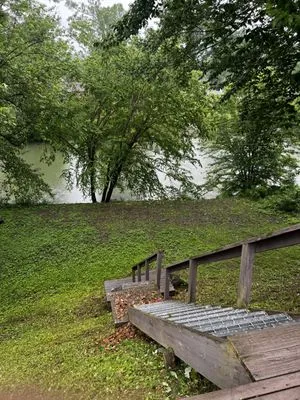
Nathan’s Lawn Care is a dedicated local lawn service provider serving the Nitro, WV area. We understand the specific challenges homeowners face in our region, including troublesome moss growth and poo...
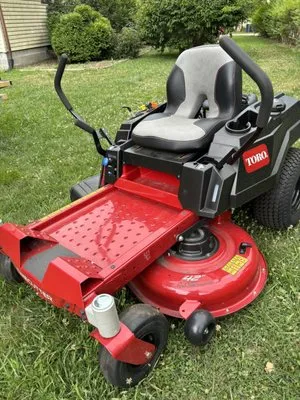
Barker's Lawn Care & Handyman Service is a trusted, full-service provider for Milton homeowners. We specialize in solving common local property issues, from lawn care and roofing to interior repairs a...
Founded by a local professional with over a decade of hands-on experience, Browning Landscaping is a Marmet, WV-based company built on a commitment to reliable, quality work. After years of contributi...
Dirt Masters is Elkview, WV's trusted local landscaping partner, specializing in solving the specific outdoor challenges homeowners face in our community. We understand that Elkview properties often d...
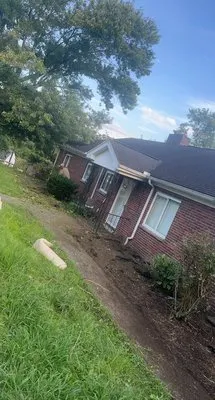
Gibson Landscaping is a full-service landscaping company serving Alum Creek, WV, and surrounding areas. We specialize in comprehensive solutions for local homeowners, addressing common issues like tre...
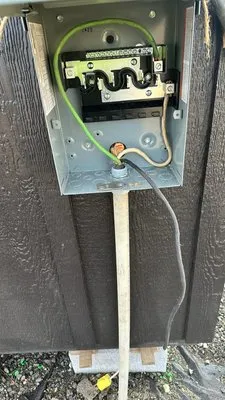
J & B Electrical and Home Solutions is a trusted, full-service contractor serving Mount Nebo, WV, and surrounding areas. We specialize in electrical work, carpentry, and landscaping, offering comprehe...
Green Valleys L & E is a full-service landscaping, tree care, and excavation company serving White Sulphur Springs and surrounding areas. We specialize in transforming and maintaining properties with ...

Hands 4 Work LLC is a South Charleston-based, fully licensed and insured provider specializing in landscaping, junk removal, and pressure washing. Founded on the principle of offering reliable, commun...
Caden's Landscaping in Sissonville, WV, is your trusted local partner for a healthy, vibrant yard. We understand the common challenges faced by homeowners in our area, from dying shrubs to patchy, une...

All Pro Handyman Services in Smithers, WV, is a locally owned and operated business founded by brothers with extensive experience in the construction industry. We started because neighbors in our comm...
Estimated Landscaping Service Costs in Richwood, WV
Q&A
My sloped yard in Richwood has serious erosion. What's a lasting fix?
Moderate runoff on slopes is exacerbated by our region's acidic loam, which can crust and shed water. A integrated solution involves regrading to create gentle swales, installing French drains lined with non-woven geotextile, and using permeable local sandstone pavers for any new patios or walkways. This system increases infiltration, slows water velocity, and manages sediment, helping any new hardscape meet Nicholas County Planning & Development's stormwater runoff standards for residential properties.
How can I maintain my Kentucky Bluegrass lawn with Richwood's water conservation standards?
Smart Wi-Fi soil moisture sensor systems are the definitive solution for balancing turf health with conservation. These controllers use real-time evapotranspiration (ET) data and in-ground sensors to irrigate only when needed, preventing overwatering common with traditional timers. This technology delivers precise hydration to the root zone of Tall Fescue and Bluegrass, reducing total water use by 20-40% while maintaining turf vigor, aligning perfectly with municipal conservation goals despite the absence of formal restrictions.
Do I need a permit to regrade my 0.25-acre lot in Richwood?
Significant regrading often requires a permit from the Nicholas County Planning & Development office, as it alters stormwater flow patterns. For any engineered solution or work exceeding basic landscaping, hiring a contractor licensed by the West Virginia Division of Labor is legally required. This ensures the work meets state codes for erosion control and structural integrity, protecting your property and complying with local ordinances, especially on sloped lots where improper grading can cause downstream issues.
What are low-maintenance alternatives to my high-input lawn?
Transitioning to a climate-adaptive landscape featuring native plants like Rhododendron maximum, Mountain Laurel, and Serviceberry significantly reduces water, fertilizer, and maintenance needs. These species are evolved for Zone 6a conditions and acidic soils, forming resilient plant communities. This shift also future-proofs your property against evolving noise ordinances, as electric maintenance tools for these plantings operate quietly within standard 10 PM to 7 AM quiet hours, unlike gas-powered blowers and mowers.
How quickly can you respond for an emergency storm cleanup to meet HOA deadlines?
For urgent compliance or storm response in Richwood, our dispatch from the Cherry River Public Library area allows for a 20-30 minute arrival via WV-55, accounting for peak traffic. We prioritize these calls with dedicated crews equipped for immediate debris management and safety mitigation. This routing ensures we can assess damage, provide a scope of work, and begin clearing access lanes within the critical first hour after contact.
Is local sandstone a better choice than wood for a new patio?
Yes, for durability and fire resilience. Local sandstone pavers offer superior longevity with minimal upkeep compared to wood, which requires regular sealing and deteriorates. In Richwood's Moderate (WUI Zone 2) fire risk area, non-combustible hardscape materials like stone are recommended for creating defensible space. A properly installed sandstone patio provides a permanent, fire-resistant zone that enhances safety and value without the ongoing maintenance cycle of wooden decks.
Why does my soil in Richwood City Center seem so dense and compacted?
Homes built around 1954, like many in Richwood City Center, have soils with over 70 years of development. This acidic loam, while naturally fertile, has undergone decades of standard landscaping practices leading to compaction and reduced organic matter. The pH of 5.5-6.2 is suitable for acid-loving natives but inhibits nutrient availability for standard turf. Core aeration and incorporating composted organic matter are critical first steps to rebuild soil structure and microbial activity for a healthier landscape.
What invasive species should I watch for, and how do I control them safely?
In our area, Japanese Knotweed and Mile-a-Minute Vine are high-priority invasives that threaten native ecosystems. Safe removal involves manual extraction for small infestations or targeted, systemic herbicide application by a licensed professional for larger stands. All treatments must follow West Virginia's BMP guidelines, which prohibit application on frozen ground or before forecasted rain to prevent runoff into the Cherry River watershed, protecting local water quality.
