Top Landscaping Services in Rainelle, WV, 25962 | Compare & Call

There are 28 landscaping companies server in Rainelle WV
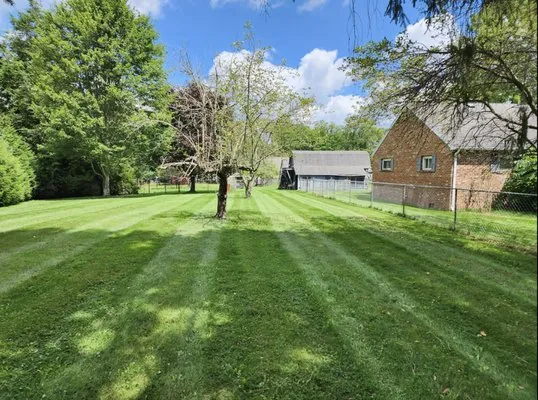
Grazing Goats Lawncare is a dedicated lawn service provider in Shady Spring, WV, focused on creating and maintaining healthy, resilient lawns. We understand the common local challenges of poor lawn gr...

Cooper's Lawn Service in Beaver, WV is a family-owned and operated business founded on the principle of giving 100% to every customer. After years of working for other landscaping companies, the owner...
Jake's Home Services is a trusted Charleston, WV lawn care provider dedicated to keeping local landscapes healthy and vibrant. We understand that issues like sprinkler coverage gaps and leaks are comm...
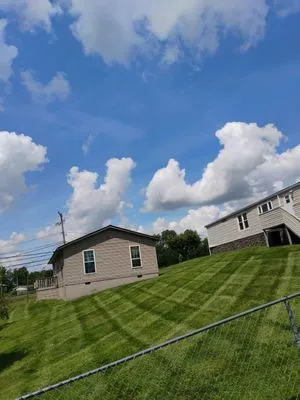
Country Roads Landscaping is a trusted local lawn care provider serving Beaver, WV, and the surrounding communities. We specialize in comprehensive lawn services designed to tackle the specific challe...
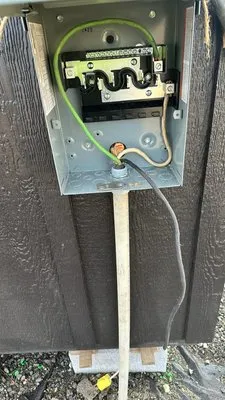
J & B Electrical and Home Solutions is a trusted, full-service contractor serving Mount Nebo, WV, and surrounding areas. We specialize in electrical work, carpentry, and landscaping, offering comprehe...
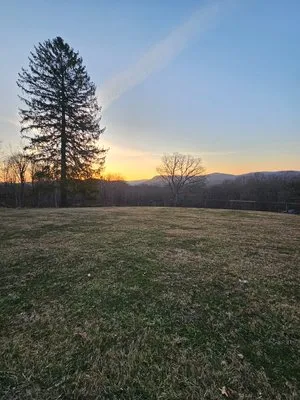
Green Valleys L & E is a full-service landscaping, tree care, and excavation company serving White Sulphur Springs and surrounding areas. We specialize in transforming and maintaining properties with ...
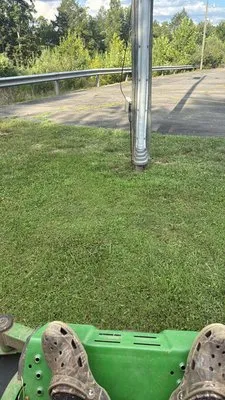
Shrewsbury LawnCare is your trusted local expert for lawn services and pressure washing in Forest Hill, WV. We understand the specific challenges our community faces, including stubborn soil compactio...

Tree Specialist LLC is a locally owned and operated tree service company serving Cool Ridge, WV, and surrounding areas. We are fully licensed and insured, providing professional and quality work at af...
Dirty Boyz Cleaning Services
Dirty Boyz Cleaning Services is a trusted local provider in Charlton Heights, WV, dedicated to keeping homes and businesses in Raleigh and Kanawha Counties looking their best. We understand the hard w...
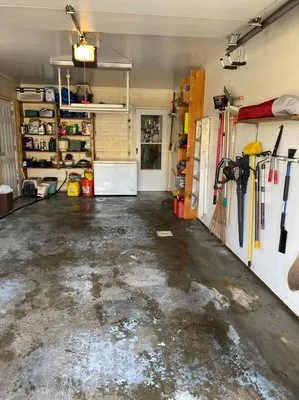
Cut Above Home and Lawn Care Pros
Cut Above Home and Lawn Care Pros is a licensed and insured service provider based in Princeton, WV, specializing in comprehensive outdoor solutions for both residential and commercial clients across ...
Estimated Landscaping Service Costs in Rainelle, WV
Common Questions
How quickly can you respond to storm damage for HOA compliance?
Emergency cleanup dispatch follows optimized routing from the Rainelle Public Library via US Route 60, with peak storm response times of 45-60 minutes. Our electric maintenance fleet operates within municipal quiet hours (7:00 AM - 9:00 PM) to minimize noise disruption during debris removal. This scheduling ensures compliance while addressing urgent safety hazards like fallen limbs or drainage blockages. Response prioritization considers both property access and the Moderate Fire Wise rating of the Appalachian Forest Interface.
How should I handle invasive species without harming my garden?
Japanese knotweed and multiflora rose present significant invasive species risks in USDA Zone 6b, requiring targeted mechanical removal before seed set. Treatment timing avoids state BMP guideline restrictions on phosphorus application during sensitive periods. Manual extraction combined with spot-applied organic herbicides minimizes soil disturbance and protects beneficial mycorrhizae networks. Always verify treatment windows against local ordinance blackout dates to ensure compliance while effectively managing invasive populations.
What solutions prevent erosion on sloped properties with poor drainage?
High erosion potential on slopes requires integrated approaches combining vegetation and hardscape solutions. Permeable Local Sandstone Flagstone installations allow water infiltration while providing stable surfaces, meeting Greenbrier County Planning Commission runoff standards. For severe clay pockets with poor infiltration, French drains wrapped in geotextile fabric redirect subsurface water away from structures. These systems work with the existing Acidic Silty Loam rather than against it, reducing surface runoff and soil loss during heavy rain events.
How do I maintain Kentucky Bluegrass and Tall Fescue without wasting water?
Soil-moisture sensor bypass kits provide precise irrigation by measuring actual soil conditions rather than relying on timers. These systems prevent overwatering by activating only when turfgrass root zones drop below optimal moisture levels. While Rainelle has no formal water restrictions, this technology supports standard conservation practices by reducing water use 20-30% compared to conventional systems. Properly calibrated sensors maintain turf health through summer stress periods while staying well within municipal water supply limits.
Why does my soil seem compacted and acidic even after years of gardening?
Rainelle's Downtown lots average 54 years of development since 1972, creating mature soils with significant compaction from foot traffic and equipment. Acidic Silty Loam (pH 5.5-6.2) naturally occurs here but becomes problematic when compacted, reducing permeability and nutrient availability. Core aeration every 2-3 years combined with organic amendments like composted leaf mold improves soil structure and buffers acidity. This approach addresses the common issue of poor infiltration in clay pockets while maintaining appropriate pH for most landscape plants.
Is sandstone or wood better for patio construction in forested areas?
Local Sandstone Flagstone offers superior longevity and fire resistance compared to wood, with minimal maintenance requirements over decades. In Moderate Fire Wise rated zones of the Appalachian Forest Interface, non-combustible materials like sandstone create defensible space around structures. Sandstone's natural permeability also reduces runoff compared to concrete or solid pavers. This material withstands freeze-thaw cycles common in Zone 6b while providing stable footing and aesthetic integration with the regional landscape.
What permits and licenses are needed for grading my quarter-acre lot?
Grading work on 0.25-acre lots requires Greenbrier County Planning Commission approval for erosion control plans and drainage modifications. Contractors must hold valid West Virginia Contractors Licensing Board certification for earthwork exceeding certain volume thresholds. These regulations ensure proper slope stabilization and prevent downstream sedimentation from the property's high erosion potential. Unlicensed grading risks significant fines and may void insurance coverage for subsequent drainage issues or structural damage.
What alternatives reduce maintenance while supporting local ecology?
Transitioning high-maintenance turf to native plantings like Monarda didyma, Asclepias tuberosa, Echinacea purpurea, and Panicum virgatum creates resilient landscapes requiring minimal inputs. These species support 2026 biodiversity standards while reducing mowing frequency and eliminating gas-powered equipment noise. Electric maintenance fleets align with evolving noise ordinances, providing quieter operation during permitted hours. Native plant communities also improve soil health through deep root systems that enhance water infiltration and sequester carbon.
