Top Landscaping Services in Point Pleasant, WV, 25550 | Compare & Call

There are 11 landscaping companies server in Point Pleasant WV

Nathans Junk Removal is a family-owned and operated business serving Hurricane, WV, and the surrounding communities. With over a decade of combined experience in landscaping, lawn care, and property m...
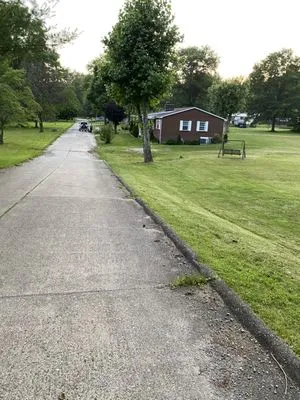
Fore Seasons Lawn Care is a trusted, locally-owned lawn service provider in Charleston, WV, dedicated to creating healthy, beautiful, and functional outdoor spaces. We understand the common local chal...

Broken Drum Landscaping
Broken Drum Landscaping is a trusted local business in Hurricane, WV, specializing in comprehensive outdoor solutions for homeowners. We focus on transforming your yard into a functional and beautiful...
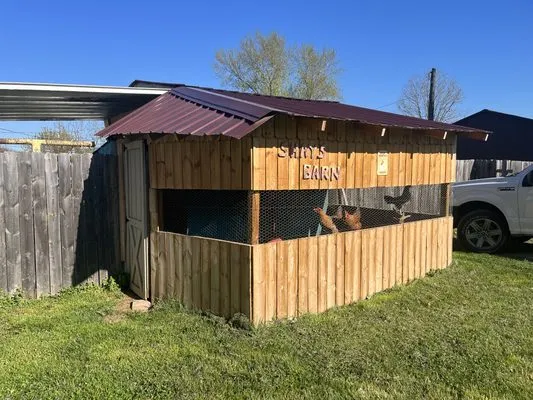
Nside Out Home Solutions is a Buffalo, WV-based handyman and lawn services company founded by a hard-working Christian family man who values reliability and integrity. As a new business, we bring a co...
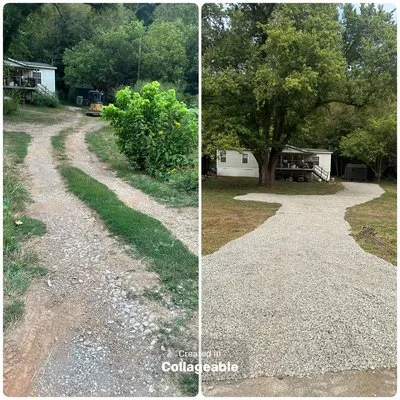
Price Brothers Excavation & Lawn Services
Price Brothers Excavation & Lawn Services is a trusted, family-run business serving Point Pleasant, WV, and the surrounding Tri-State area. We specialize in excavation, lawn care, and trench digging, ...
Prino's Landscaping and Lawn Care is a trusted, locally-owned business serving the Huntington, WV community. We specialize in creating beautiful and practical outdoor spaces tailored to our region's u...

Irish Landscaping & Auto Detailing
Irish Landscaping & Auto Detailing is a locally-owned, veteran-operated business in Parkersburg, WV, founded on a commitment to quality and personal service. With extensive experience in both landscap...
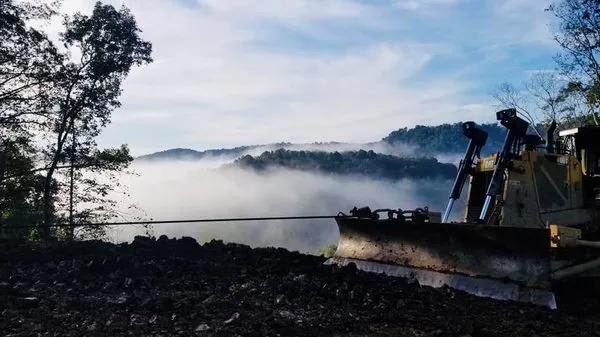
Paragon Services
Paragon Services is a licensed home services provider based in Ravenswood, WV, specializing in demolition, excavation, and landscaping. With a strong focus on safety and efficiency, they handle projec...
Point Lawn & Landscape is a trusted local lawn care and snow removal service based in Point Pleasant, WV. We specialize in addressing common landscaping challenges faced by homeowners in our community...

Davis Tree and Lawn Care is a trusted, locally-owned service provider serving Point Pleasant, WV, and the surrounding communities. With over 16 years of dedicated experience, the company specializes i...
Estimated Landscaping Service Costs in Point Pleasant, WV
FAQs
Why does my Point Pleasant Historic District yard have such compacted soil that won't drain properly?
Most homes in this neighborhood were built around 1961, giving the soil 65 years of compaction from construction equipment, foot traffic, and traditional maintenance practices. The acidic silt loam common here (pH 5.8-6.5) tends to become dense and impermeable over time, especially with Kentucky Bluegrass and Tall Fescue turf systems. Core aeration every 1-2 years is essential to improve oxygen exchange and water infiltration. Incorporating 1-2 inches of composted organic matter annually will gradually rebuild soil structure and support healthier root systems.
What are my options for reducing lawn maintenance while supporting local ecology?
Replacing high-maintenance turf areas with native plantings like Eastern Redbud, Purple Coneflower, and Switchgrass significantly reduces mowing frequency and eliminates gas-powered equipment use. These species are adapted to Point Pleasant's acidic soils and require minimal irrigation once established. Transitioning to electric maintenance equipment ahead of potential gas-blower restrictions supports municipal quiet hour compliance. Butterfly Milkweed and Flowering Dogwood provide critical habitat while creating year-round visual interest with less resource input.
How should I handle invasive species without harming my soil or violating regulations?
Common invasive alerts in Point Pleasant include Japanese knotweed and garlic mustard, which thrive in disturbed acidic soils. Mechanical removal during early growth stages prevents seed spread without chemical intervention. For persistent infestations, targeted spot treatments using EPA-approved herbicides should follow state BMP guidelines and avoid phosphorus applications during sensitive periods. Always coordinate with the West Virginia Division of Labor for licensed applicators when treating near property boundaries or water features.
Should I choose local sandstone or wood for my new patio in Point Pleasant?
Local sandstone offers superior longevity with minimal maintenance compared to wood in Point Pleasant's climate. Sandstone withstands freeze-thaw cycles common in USDA Zone 6b without warping or decay, maintaining permeability for drainage. While wood may initially cost less, it requires annual treatment and replacement within 10-15 years. For properties with low Firewise ratings in urban-suburban interfaces, non-combustible sandstone provides better defensible space compliance than wooden structures.
What permits and licenses are required for regrading my 0.22-acre lot in Point Pleasant?
Any significant grading work on a 0.22-acre property requires Mason County Planning Commission approval, especially when altering drainage patterns near the Ohio River floodplain. Contractors must hold appropriate licensing through the West Virginia Division of Labor, particularly for earth moving exceeding 50 cubic yards. Professional landscape architects should design slopes to stay within 3:1 ratios to prevent erosion in silt loam soils. These requirements ensure compliance with state BMP guidelines and protect adjacent properties in the historic district.
How quickly can you respond to an emergency tree cleanup after a storm in Point Pleasant?
Our electric maintenance fleet operates within municipal quiet hours (10 PM-7 AM) and can dispatch from Tu-Endie-Wei State Park within 20-30 minutes during peak conditions. We route via WV-62 to access the Point Pleasant Historic District efficiently while avoiding traffic bottlenecks. This response time meets most HOA compliance deadlines for storm debris removal. Our battery-powered equipment allows work during extended hours without violating noise ordinances.
What's the best solution for seasonal flooding in my yard near the Ohio River?
Moderate runoff issues in Point Pleasant often stem from the seasonal high water table interacting with dense silt loam soils. Permeable local sandstone or clay paver installations create 30-40% void spaces that allow stormwater infiltration rather than surface runoff. These systems typically meet Mason County Planning Commission runoff standards when designed with proper base materials and slope. French drains connected to dry wells provide additional capacity for extreme rain events common in USDA Zone 6b.
How can I maintain my lawn during dry periods without violating water restrictions?
Smart Wi-Fi ET-based controllers adjust irrigation schedules daily using real-time evapotranspiration data from local weather stations. These systems reduce water use by 20-40% compared to traditional timers while preserving Kentucky Bluegrass and Tall Fescue health. During normal restriction periods in Point Pleasant, they automatically stay within municipal limits by skipping cycles after rainfall. Proper programming accounts for your acidic silt loam's water retention characteristics to prevent runoff into the Ohio River watershed.
