Top Landscaping Services in Pleasant Valley, WV, 26554 | Compare & Call

There are 64 landscaping companies server in Pleasant Valley WV

Founded with a blend of youthful drive and seasoned professionalism, A-Team Pro Contractors brings over three decades of combined experience to Salem, WV. We are a dedicated team specializing in compr...

Appalachian Garden & Landscape brings over seven years of dedicated horticulture and lawn care experience to the Morgantown area. We believe in building sustainable, healthy landscapes that thrive and...
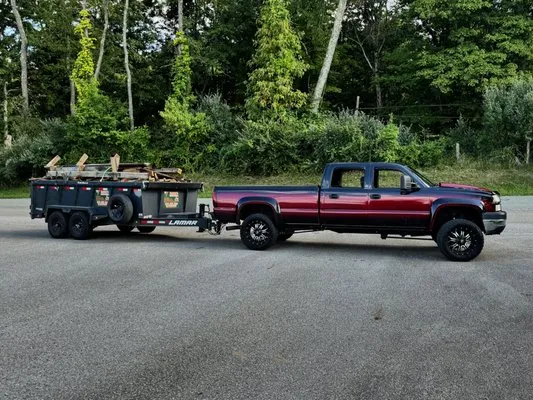
Travers Hauling & Services is a locally owned and operated company serving Morgantown, WV, and the surrounding communities. We provide dependable solutions for dumpster rental, junk removal, and lands...
West Virginia Property Maintenance
West Virginia Property Maintenance is your local, full-service solution for property care in Clarksburg and surrounding counties. We specialize in transforming overgrown properties into clean, safe, a...
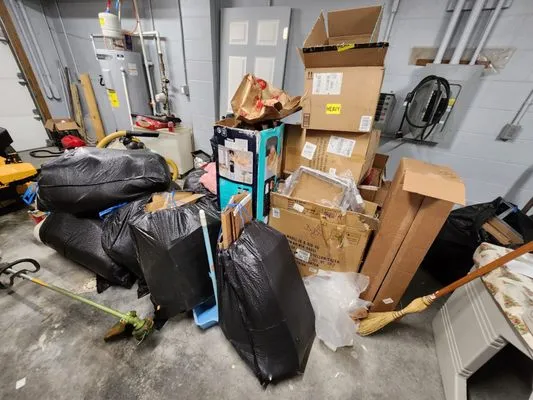
C M O Trailer Rental & Debris Removal is a family-owned and operated business serving Morgantown, WV, with reliable dumpster rental and property management solutions. We specialize in construction deb...
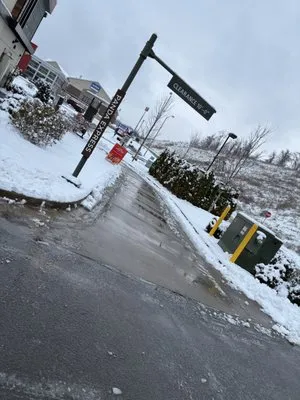
King Solomon Creations Lawncare is a locally owned and operated lawn service business in Morgantown, WV, founded in 2022 by owner Sam. With a focus on dependable, high-quality lawn care, the company t...
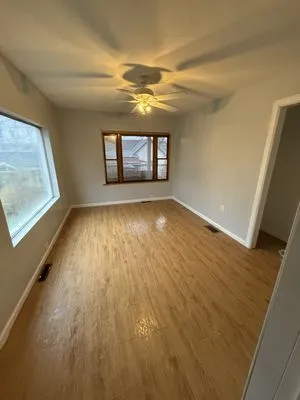
Hilling Solutions is a trusted Morgantown handyman service specializing in drywall installation & repair, landscaping, and comprehensive home maintenance. Serving the local community, we help homeowne...
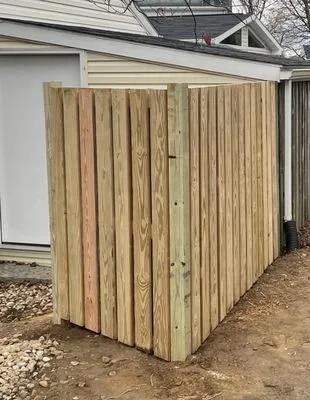
Landscape Creations
Landscape Creations is a locally owned and operated landscaping and contracting business serving Morgantown, WV, and the surrounding areas. Founded in 2020, we bring a dedicated approach to transformi...
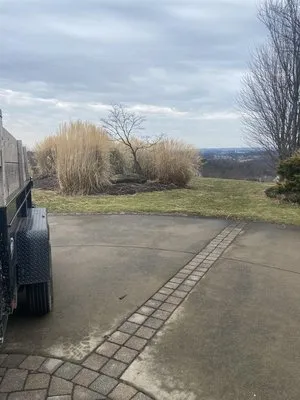
MVP Maintenance is your local, full-service solution for landscaping, property cleanout, and junk removal in Morgantown, WV. We understand the unique challenges of our region, from moss taking over la...

Founded on a lifetime of hands-on experience, Call Us To Do It brings a unique perspective to Mannington's home service needs. I started my career flipping burgers at McDonald's and worked my way thro...
Estimated Landscaping Service Costs in Pleasant Valley, WV
FAQs
What invasive species threaten Pleasant Valley landscapes?
Japanese knotweed and multiflora rose present significant invasion risks in Zone 6b, exploiting disturbed acidic soils. Manual removal before seed set in early spring prevents spread without chemical intervention. For established infestations, targeted glyphosate applications during active growth phases avoid West Virginia BMP guideline restrictions against frozen ground treatment. Regular monitoring of property edges near I-79 corridors catches wind-dispersed invaders early. Always bag and dispose of invasive plant material off-site to prevent reestablishment.
What solutions prevent water pooling in my clay-heavy yard?
Clay-heavy subsoil compaction in Pleasant Valley's acidic silt loam creates moderate runoff issues during heavy rains. Installing permeable clay pavers allows 80-90% of stormwater to infiltrate naturally, meeting Marion County Planning Department runoff standards. French drains with clean gravel layers redirect subsurface water away from foundations. Grading slopes at 2% minimum pitch directs surface flow toward rain gardens planted with native Switchgrass, which absorbs excess moisture through deep root systems.
How quickly can you respond to an HOA violation notice for overgrown vegetation?
Emergency cleanup crews dispatch from the Pleasant Valley Municipal Building, taking I-79 to reach Pleasant Valley Estates within 20-30 minutes during peak hours. This routing avoids residential congestion while meeting standard noise ordinance restrictions between 9:00 PM and 7:00 AM. Teams prioritize visible front yard areas first to achieve immediate compliance, then address secondary zones. Electric maintenance equipment operates quietly within permitted hours for complete property restoration.
Are permeable clay pavers better than wood for patio longevity?
Permeable clay pavers maintain structural integrity for 25+ years in Pleasant Valley's freeze-thaw cycles, unlike wood which decays in 5-10 years. Their non-combustible nature supports Moderate Firewise USA community standards by creating defensible space around structures. The interlocking design allows for thermal expansion without heaving, while the permeability rate of 300-500 inches/hour manages runoff better than impermeable alternatives. Initial cost is offset by eliminating replacement cycles and reducing drainage infrastructure needs.
Why does my Pleasant Valley Estates lawn struggle despite regular care?
Properties in Pleasant Valley Estates, built around 1973, have acidic silt loam soil that has matured for over 50 years. This soil type naturally compacts over decades, reducing oxygen and water infiltration to roots. Core aeration with organic amendments like composted leaf mold addresses compaction while maintaining the optimal pH 5.5-6.2 range for Tall Fescue. Regular soil testing every 2-3 years monitors nutrient availability in this established neighborhood environment.
Can I maintain a healthy Tall Fescue lawn under voluntary water conservation?
Wi-Fi ET-based weather sensing controllers precisely match irrigation to actual evapotranspiration rates, reducing water use by 20-30% compared to traditional schedules. These systems automatically adjust for rainfall and humidity specific to Pleasant Valley's USDA Zone 6b climate. Programming deep, infrequent watering at dawn encourages deeper root growth in Tall Fescue while staying within municipal conservation guidelines. Regular system audits ensure uniform coverage without overspray onto impermeable surfaces.
How can I reduce maintenance while supporting local ecology?
Replacing high-maintenance turf areas with Purple Coneflower, Butterfly Weed, and Virginia Bluebells creates pollinator habitat while eliminating weekly mowing. These native species thrive in Pleasant Valley's acidic soil without supplemental irrigation once established. Transitioning to electric equipment ahead of tightening noise ordinances reduces operational noise by 50-70% compared to gas blowers. This approach aligns with 2026 biodiversity standards while cutting seasonal maintenance costs by approximately 40%.
What permits and licenses are required for grading my 0.35-acre lot?
Grading that alters water flow patterns on 0.35 acres requires a land disturbance permit from the Marion County Planning Department. Contractors must hold current West Virginia Division of Labor licensing for excavation work exceeding 100 cubic yards. The permit process reviews soil erosion controls and drainage plans to prevent off-site sedimentation. Unlicensed grading risks fines up to $5,000 daily and mandatory restoration orders. Always verify contractor licensing through the state database before commencing earthwork projects.
