Top Landscaping Services in Nutter Fort, WV, 26301 | Compare & Call
There are 57 landscaping companies server in Nutter Fort WV

Terry Thomas, a U.S. Navy veteran, founded Vet 2 Veterans Enterprise LLC in Morgantown, WV in 2025. His journey began with a lawncare business and expanded through HVAC training before focusing on res...

Lawson Lawn and Auto Care is your trusted Westover neighbor for comprehensive property and vehicle care. We specialize in solving common local landscaping issues like tree root lawn damage and soil co...

Dawn's Cleaning & Maintenance is a locally owned and operated business serving Mount Clare, WV, and surrounding areas. Founded by Dawn, the company was established on the principle that reliable servi...
Larry's Lawn Care in Clarksburg was born from a genuine passion for the work and a desire for local ownership. With roots going back to mowing lawns in his youth, founder Larry now brings that hands-o...

Lawn Watchers is a trusted lawn care and gardening service based in Westover, WV. We understand the specific challenges homeowners in our area face, like standing water in yards and faulty irrigation ...

WV Sasquatch Lawn Care
WV Sasquatch Lawn Care is your local Fairmont partner for keeping your property clean and well-maintained. With over 20 years of combined experience, we provide a reliable range of services designed f...
Ideal Pro Industries
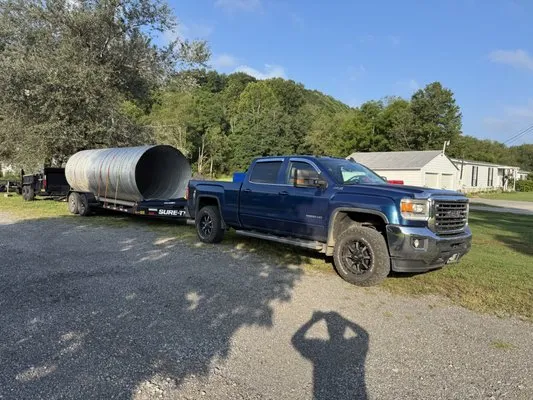
Ideal Pro Industries is a trusted excavation and landscaping contractor serving Buckhannon, WV, and surrounding areas including Barbour, Harrison, and Wetzel counties. With expertise in septic service...
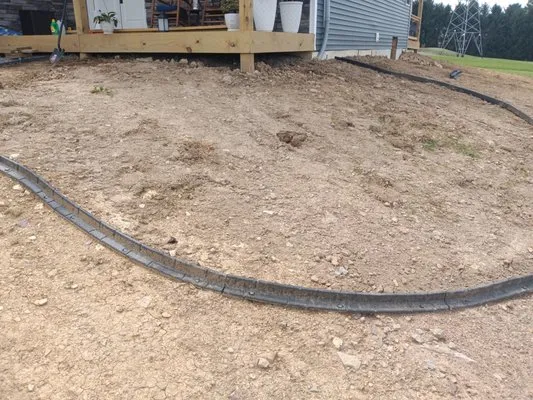
At Sines Landscaping & Painting in Bruceton Mills, WV, we're your local experts for transforming outdoor spaces and refreshing interiors. With a comprehensive range of services including gardening, la...
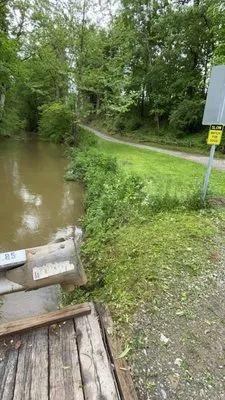
Future Green Solutions is a Fairmont, WV-based company dedicated to providing professional and hands-on care for your outdoor spaces. We believe a quality landscape starts with individualized attentio...
Frustrated
Frustrated in Mannington, WV is a multiservice company established in 2019, dedicated to neighborhood revitalization through collaborations with banks, government entities, and investors. We specializ...
Estimated Landscaping Service Costs in Nutter Fort, WV
Q&A
How quickly can a crew arrive for storm damage cleanup or an urgent HOA notice?
For an emergency cleanup, our standard dispatch from the Nutter Fort Public Library area via US Route 50 targets a 20-30 minute arrival to Nutter Fort Heights, accounting for peak traffic. This response time prioritizes securing hazardous limbs and clearing driveways to meet most HOA compliance deadlines. Coordination begins immediately upon call receipt to mobilize the appropriate electric equipment fleet for the task.
Why does my lawn in Nutter Fort Heights struggle to thrive despite fertilizer?
Homes built around 1948 have 78-year-old soils. In our acidic silty loam, decades of compaction and low organic matter have created a dense layer that restricts root growth and water percolation. This is common in the neighborhood. Core aeration combined with a compost topdressing is the foundational correction, not more fertilizer. It addresses the physical soil structure first, allowing amendments to integrate effectively.
Do I need a permit to regrade my backyard or install a retaining wall?
Yes. Significant grading or any structural retaining wall on a 0.22-acre lot typically requires a permit from the Nutter Fort City Recorder/Planning Office to ensure it doesn't adversely affect stormwater patterns or neighboring properties. The contractor performing this work must hold appropriate licensing through the West Virginia Division of Labor. This protects you from liability and ensures the work meets state building and safety codes for earth movement and structural integrity.
Are sandstone patios better than wood decks for our climate and fire risk?
Local sandstone and concrete pavers offer superior longevity and require minimal maintenance compared to wood, which decays in our humid climate. From a Firewise USA perspective, a non-combustible hardscape like sandstone creates critical defensible space in a Moderate risk zone. It does not contribute fuel to a fire. This inert material also manages heat island effect better than synthetic composites and integrates naturally with the regional landscape.
My yard collects water after heavy rain. What's a lasting solution?
Moderate runoff here is typically caused by clay subsoil saturation beneath the silty loam. A functional solution involves creating a shallow infiltration trench or dry creek bed lined with local sandstone, a permeable material that meets the Nutter Fort Planning Office's runoff management standards. This system captures and slowly percolates surface water, redirecting it from foundations. Pairing this with soil amendment improves the overall permeability of the landscape.
With no water restrictions now, is a smart irrigation controller still necessary?
Yes. An ET-based smart controller is the primary tool for conserving water long-term while preserving a healthy Kentucky Bluegrass and Tall Fescue blend. It applies water based on real-time evapotranspiration data and soil moisture, not a fixed schedule. This prevents overwatering into the clay subsoil, which is a major cause of runoff and disease, and ensures your system operates within projected municipal limits before mandatory restrictions are enacted.
What invasive species should I watch for, and how do I control them safely?
Japanese Knotweed and Mile-a-Minute Vine are high-priority invasive alerts for this area. Manual removal for small infestations is effective. For larger issues, a targeted systemic herbicide applied by a licensed professional during active growth phases is required. All applications must follow state BMP guidelines, which prohibit treatment on frozen ground to prevent runoff into waterways. Correct timing and method protect your soil biology and comply with regulations.
I want to reduce mowing and maintenance. What are my options?
Transitioning perimeter zones to a xeriscape with native plants like Purple Coneflower, Switchgrass, and Mountain Laurel significantly reduces water, mowing, and chemical inputs. This approach aligns with evolving noise ordinances that are beginning to restrict gas-powered blowers and mowers. An established native planting provides habitat, requires only seasonal care, and positions your property ahead of potential biodiversity or water-use standards for 2026 and beyond.
