Top Landscaping Services in Madison, WV, 25053 | Compare & Call

There are 71 landscaping companies server in Madison WV
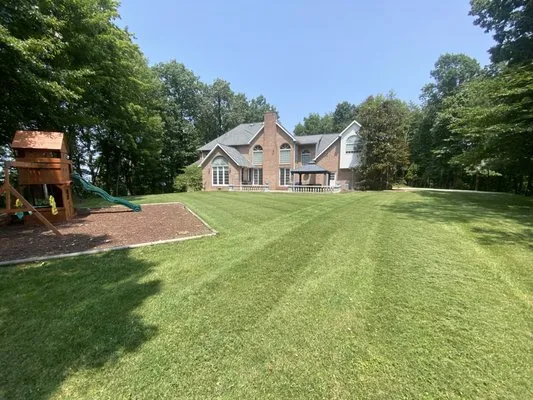
Lawrence Lawn Care is Elkview's trusted partner for reliable lawn services, specializing in solutions tailored to our local landscape. We understand the specific challenges homeowners face, such as ma...
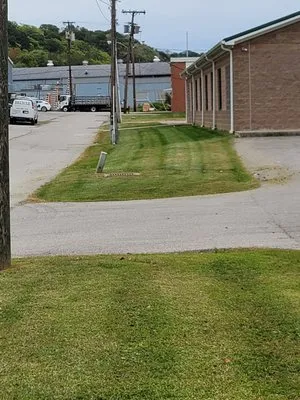
Kanawha Valley Lawn Care is your trusted local lawn service in South Charleston, WV. We specialize in comprehensive lawn care to tackle common area issues like unsightly bare patches and dying shrubs....
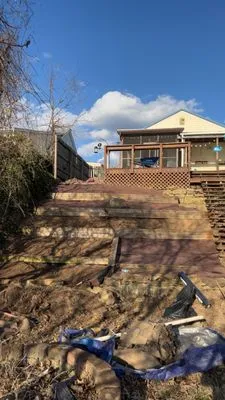
Cna Lawncare is a Charleston-based lawn service provider dedicated to enhancing local properties since 2021. We specialize in comprehensive lawn care, including mowing, landscaping, pressure washing, ...
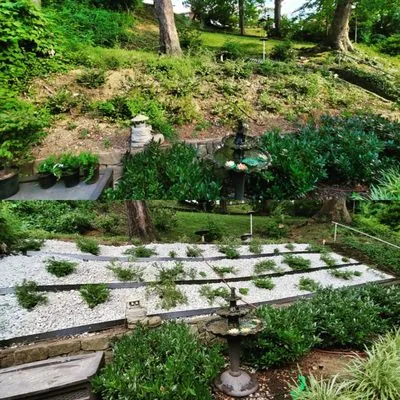
For over twelve years, ENVY Pristine Landscapes has been the trusted choice for professional lawn care and landscaping in Charleston and South Charleston, WV. Founded by Michael, the company is built ...
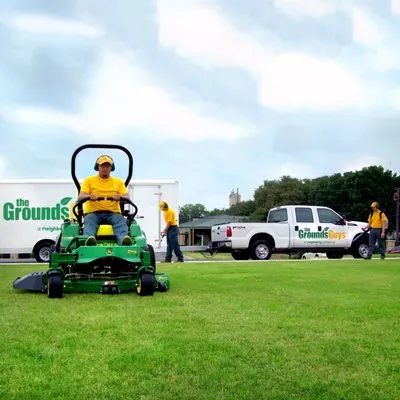
The Grounds Guys of Charleston, WV is a locally owned and operated landscaping company dedicated to the care and improvement of properties throughout the Kanawha Valley. Founded on a family legacy of ...

Elite Innovations is a Milton-based general contractor and landscaping specialist serving the Tri-State area. We provide comprehensive solutions for home improvement and outdoor spaces, from kitchen r...
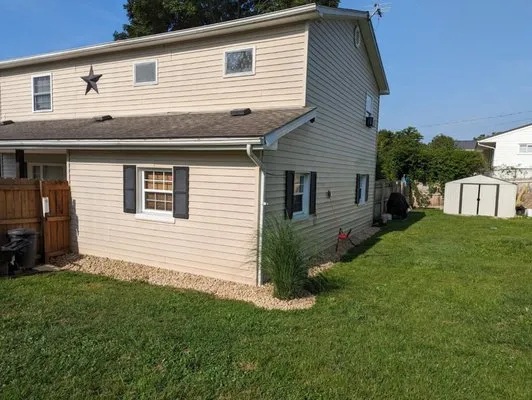
J&A Services is a locally owned and operated business in Charleston, WV, with deep roots in the lawn care industry. Founded in 2022 by professionals with over 20 years of combined experience, we've qu...
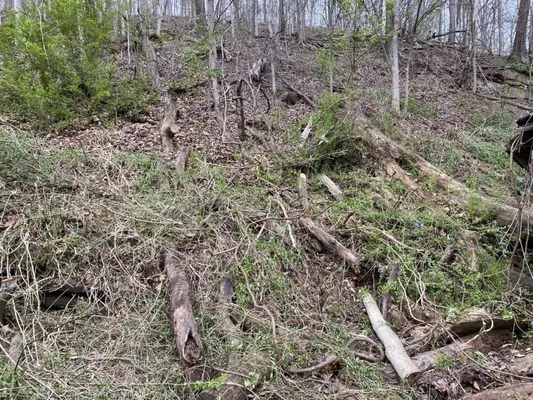
Jordan Landscaping is a family-owned and operated business proudly serving Charleston, WV. Founded by two brothers, it began as a simple grass-cutting service and has grown to meet the community's div...
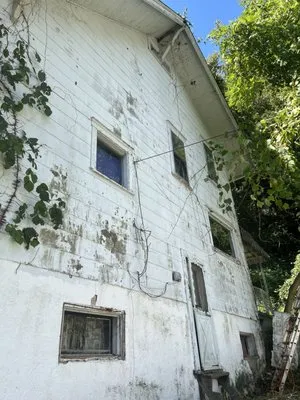
Jake's Home Services is a trusted Charleston, WV lawn care provider dedicated to keeping local landscapes healthy and vibrant. We understand that issues like sprinkler coverage gaps and leaks are comm...
Nathans Junk Removal is a family-owned and operated business serving Hurricane, WV, and the surrounding communities. With over a decade of combined experience in landscaping, lawn care, and property m...
Estimated Landscaping Service Costs in Madison, WV
Question Answers
How quickly can you respond to a storm-damage emergency?
For urgent situations like downed limbs or blocked access, we dispatch a crew from our staging area near the Boone County Courthouse. Using US-119, our peak storm response time to Downtown Madison properties is 25-35 minutes. We prioritize safety and HOA compliance, bringing electric chainsaws and chippers that operate effectively within standard quiet hours, ensuring a rapid and compliant cleanup.
Do we need a permit to regrade our backyard?
Yes, significant grading that alters water flow or involves retaining walls over a certain height typically requires a permit from the Boone County Planning Commission. On a 0.22-acre lot, such work can impact adjacent properties and stormwater systems. It must be performed by a contractor licensed by the West Virginia Contractor Licensing Board, which ensures they carry proper insurance and understand state excavation and erosion control regulations.
Is sandstone a better choice than wood for a new patio?
For longevity and low maintenance in Madison's climate, local sandstone or fieldstone is superior. It is non-combustible, durable against freeze-thaw cycles, and requires no sealing or replacement like wood. In the context of the Moderate (WUI Zone 2) fire-wise rating, using non-flammable hardscape materials like stone is a recommended practice for creating defensible space around structures.
What are the most aggressive weeds we should watch for?
Japanese Knotweed and Tree-of-Heaven are high-priority invasive species in this region, capable of damaging foundations and outcompeting natives. Safe, effective treatment involves targeted herbicide applications during active growth phases, strictly following state BMPs for nutrient management. Critical to note: these ordinances prohibit any application on frozen ground to prevent runoff into local watersheds, so timing is planned for late spring or summer.
Why does our soil seem so thin and compacted?
Homes built around 1958, common in Downtown Madison, sit on lots where 68 years of foot traffic and standard maintenance have degraded the native soil structure. The prevalent acidic sandy loam loses organic matter over time, leading to compaction that restricts root growth and water infiltration. An annual core aeration program, combined with top-dressing compost, is essential to rebuild soil biology and improve permeability for healthier turf and planting beds.
Is there a lower-maintenance alternative to our grass lawn?
Transitioning sections of turf to a native plant garden significantly reduces water, mowing, and fertilizer inputs. Species like Eastern Redbud, Purple Coneflower, and Butterfly Weed are adapted to Zone 6b and Madison's acidic soil. This xeriscaping approach builds biodiversity, supports pollinators, and creates a landscape resilient to climate shifts. It also future-proofs your property against potential gas-powered equipment restrictions linked to noise ordinances.
Can we have a green lawn without wasting water?
Yes, by moving beyond timer-based systems. Installing a smart Wi-Fi soil moisture sensor controller allows your Kentucky Bluegrass and Tall Fescue blend to receive water only when the root zone needs it, based on real-time evapotranspiration (ET) data. This technology prevents overwatering, conserves municipal water during normal operations, and promotes deeper root growth for a more drought-resilient turf.
Our yard pools water after heavy rain. What's the cause?
Moderate runoff is typical here due to the acidic sandy loam surface layer sitting atop a dense clay subsoil. Water percolates through the top layer but then pools on the impermeable clay, causing saturation. Solutions include installing French drains or dry creek beds to redirect water. Using permeable sandstone paving for patios or walkways can also increase ground absorption and help meet Boone County Planning Commission runoff management standards.
