Top Landscaping Services in Keyser, WV, 26726 | Compare & Call

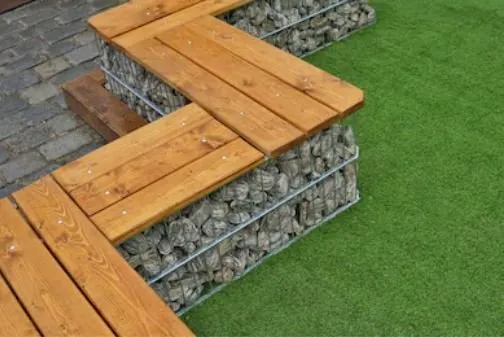
Haggerty Bros is a family-owned and operated business in Keyser, WV, providing comprehensive property improvement services. We specialize in concrete construction, asphalt repair, sealcoating, landsca...
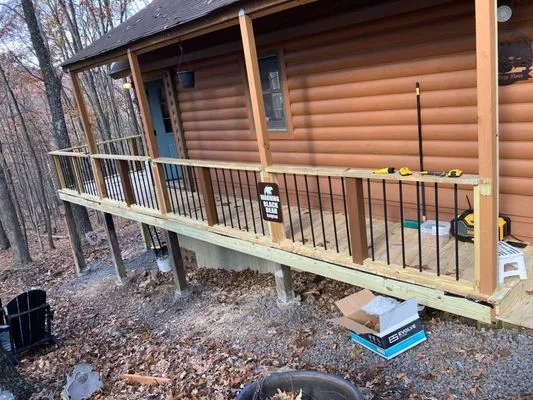
For over a decade, The Building Company has been a trusted partner for Keyser, WV, residents and businesses, delivering a comprehensive range of general contracting, handyman, and landscaping services...
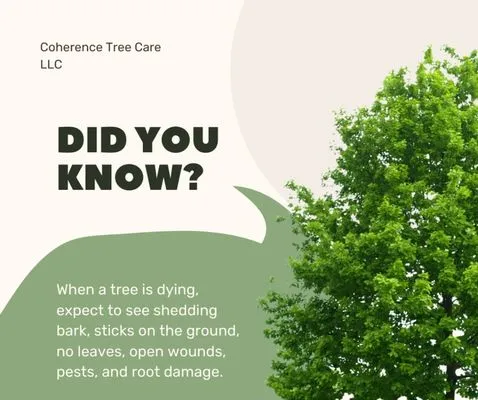
Serving Keyser, WV, and Mineral County, Coherence Tree Care is your local, full-service partner for a healthy and beautiful property. We understand the challenges local homeowners face, from overgrown...
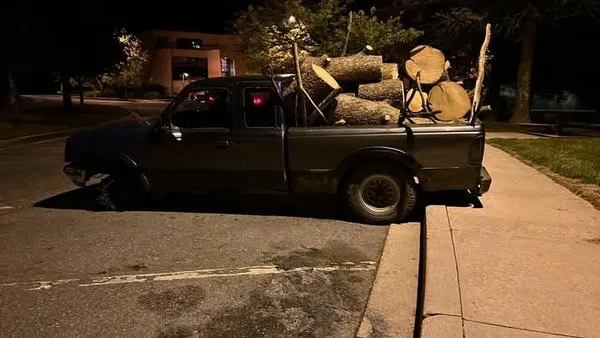
Morgans Lands and Trees is a trusted, family-owned landscaping and tree care provider serving Keyser, WV, and Mineral County. We specialize in resolving common local yard problems, particularly the un...
Terra Firma Landscape Company is a dedicated local landscaping business serving Keyser, WV, and the surrounding Mineral County area. We specialize in addressing the common landscaping challenges faced...
Rkc Services is a trusted local business in Keyser, WV, specializing in landscaping, junk removal, and gardening to keep properties looking their best. We understand the common challenges Keyser homeo...

J&R Landscaping & Tree Experts
Since 1989, J&R Landscaping & Tree Experts has been a trusted, locally owned and operated company serving Keyser, WV, and the surrounding Mineral County area. We provide a comprehensive range of servi...

Seasonscapes Landscape Architecture in Keyser, WV, specializes in professional landscape design tailored to the unique challenges of the local area. Serving Keyser and surrounding communities, we help...
HCB Landscaping & Construction is a trusted, full-service contractor serving Keyser, WV, and the surrounding Mineral County area. We specialize in solving the common landscaping and property maintenan...
Common Questions
An aggressive vine is overtaking our flower beds. How do we remove it safely?
Identify the vine first; common invasives here include Japanese Honeysuckle and Oriental Bittersweet. Manual removal of the entire root system is most effective for light infestations, followed by a targeted, foliar-applied glyphosate in late summer if necessary. All treatments must follow West Virginia's Nutrient Management BMPs, avoiding application near waterways or during forecasted rain to prevent herbicide runoff into the watershed.
How can we keep our Kentucky Bluegrass and Tall Fescue blend healthy without wasting water?
Smart Wi-Fi ET-based irrigation controllers use real-time weather data to apply only the water lost to evapotranspiration, eliminating guesswork and overwatering. This technology is ideal under Keyser's normal water operations, as it preserves turf health while staying well within municipal system capacities. Programming distinct zones for sun and shade exposure further optimizes efficiency, promoting deeper root growth and drought resilience.
Our lawn in the Downtown Historic District struggles despite fertilizer. What's going on with the soil here?
Homes built around 1962, like many in this district, have mature soil systems that are now 64 years old. The native acidic silt loam has become heavily compacted from decades of foot traffic and traditional maintenance, reducing percolation and root penetration. Core aeration combined with organic amendments like composted leaf mulch is critical to rebuild soil structure and microbial activity. This addresses the inherent low permeability without drastically altering the pH, which is suitable for many acid-loving natives.
We're replacing a wooden deck. Are permeable pavers or local sandstone a better long-term choice?
Both permeable concrete pavers and local sandstone offer superior longevity and fire resistance compared to wood, which is a key consideration for Moderate Fire Wise zones. Sandstone provides a natural, historic aesthetic but requires periodic sealing, while interlocking pavers offer greater design flexibility and inherent permeability for drainage. Each material creates a durable, non-combustible defensible space directly adjacent to the home.
A storm damaged trees, and our HOA needs immediate compliance cleanup. What's your fastest response?
For emergency storm response in the Downtown Historic District, our dispatch from Keyser City Hall via US Route 220 allows a 15-20 minute arrival during peak hours. We prioritize safety-first debris removal with electric chippers and hauling equipment to meet HOA deadlines. This rapid response mitigates further property damage and secures the site, with detailed documentation provided for insurance purposes.
Water pools in our yard after every rain. What's a lasting solution for our clay-heavy soil?
Moderate runoff in Keyser's silt loam over clay subsoil requires improving subsurface permeability. Installing a French drain system tied to a dry well captures and redirects water, while amending planting beds with coarse sand and compost increases infiltration. For new hardscapes, using permeable concrete pavers instead of solid concrete meets city runoff standards by allowing water to pass through and recharge the groundwater directly.
We want to regrade our backyard for better drainage. What permits and contractor checks are needed?
Regrading a 0.22-acre lot in Keyser typically requires an Erosion and Sediment Control permit from the City Planning & Development office to protect downstream waterways. The contractor must hold a valid license from the West Virginia Contractors Licensing Board, specifically for excavation and land grading work. This ensures the project complies with state BMPs, proper engineering for water flow, and liability coverage for any adjacent property impacts.
We want to reduce mowing and gas equipment noise. What are good lower-maintenance options?
Transitioning high-input turf areas to a xeriscape of native Switchgrass, Butterfly Weed, and Purple Coneflower significantly reduces water, fertilizer, and weekly mowing demands. This shift aligns with evolving municipal noise ordinances that increasingly restrict gas-powered blowers and mowers. The resulting landscape supports local biodiversity, provides seasonal interest, and requires only seasonal cutting with quieter electric equipment.
