Top Landscaping Services in Hurricane, WV, 25510 | Compare & Call

Nathans Junk Removal is a family-owned and operated business serving Hurricane, WV, and the surrounding communities. With over a decade of combined experience in landscaping, lawn care, and property m...
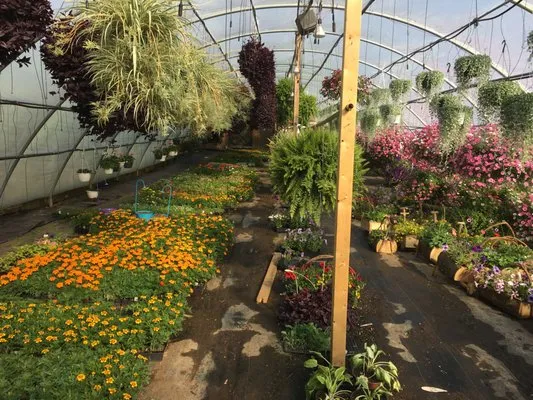
Green earth landscapes
Green Earth Landscapes began as a humble firewood business in Hurricane, WV, and has grown organically through hard work and a commitment to meeting our neighbors' needs. What started with selling fir...
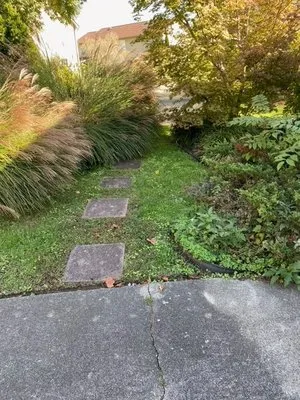
All Out Landscape is a full-service landscaping company serving Hurricane, WV, and the surrounding area. We specialize in comprehensive landscape construction, design, and maintenance, including drive...

Broken Drum Landscaping
Broken Drum Landscaping is a trusted local business in Hurricane, WV, specializing in comprehensive outdoor solutions for homeowners. We focus on transforming your yard into a functional and beautiful...
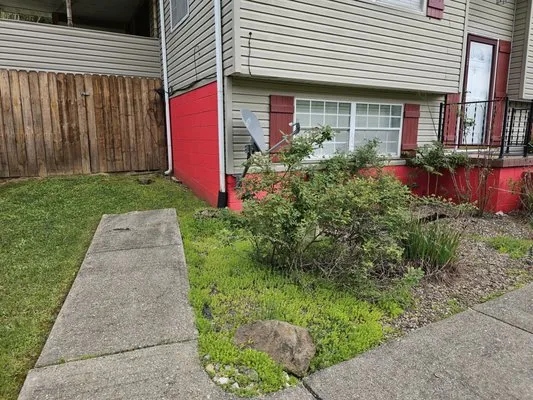
At Lawn & Order Yard Care, we believe a well-maintained lawn is the foundation of a beautiful home. Serving the Hurricane, WV community, we provide reliable lawn care to bring order and health to your...
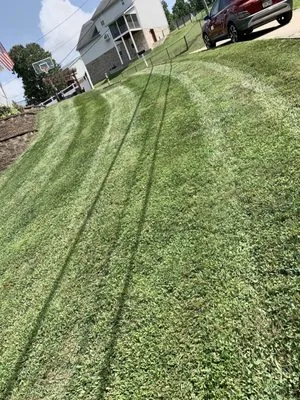
Valley Lawn and Landscaping is a dedicated Hurricane, WV, lawn care provider focused on creating and maintaining healthy, resilient outdoor spaces. We understand the specific challenges local homeowne...
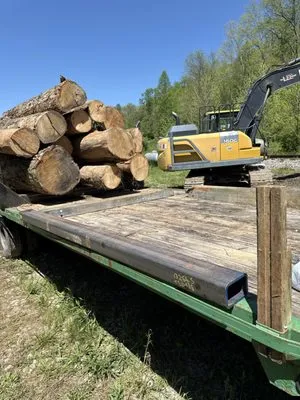
Competent Contracting is a trusted, locally-owned contracting company serving Hurricane, WV, and the surrounding communities. With over 40 years of combined operator experience, we provide a comprehen...
First Priority Property Solutions
First Priority Property Solutions is a Hurricane, WV-based company specializing in comprehensive property preservation services for residential and commercial clients. We focus on maintaining and prot...
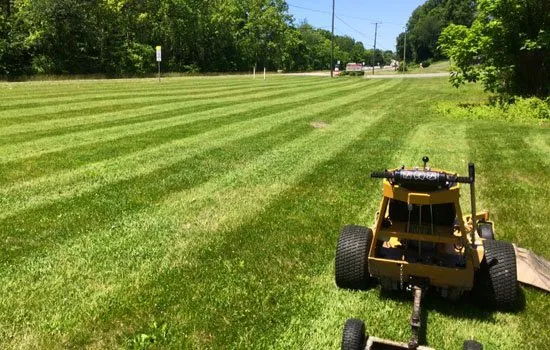
Justice Brothers Lawn Care is a Hurricane, WV-based landscaping company serving both residential and commercial properties. We provide comprehensive lawn care and tree services with a straightforward,...
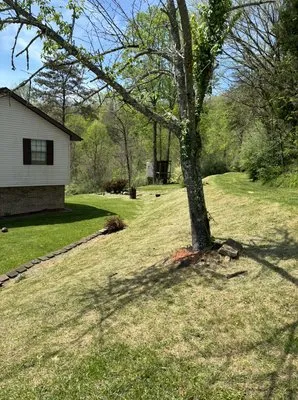
White’s Lawn And Tree in Hurricane, WV, is a locally owned and operated business that has grown from a one-person mowing service to a team of four professionals. We offer free estimates and work to sc...
Questions and Answers
I'm tired of weekly mowing and gas blower noise. Are there quieter, lower-maintenance alternatives to a traditional grass lawn?
Absolutely. Transitioning to a climate-adaptive landscape centered on native plants dramatically reduces maintenance and noise. A layered planting of Switchgrass, Purple Coneflower, and New England Aster provides year-round interest, supports pollinators, and requires no mowing or blowing. This xeriscape approach, using deep-rooted species like Eastern Redbud and Flowering Dogwood, conserves water and builds soil health. It also future-proofs your property against evolving municipal noise ordinances targeting gas-powered equipment.
With no official water restrictions, how can I keep my Kentucky Bluegrass healthy without wasting water?
Voluntary conservation is best achieved with precise, data-driven watering. We install smart Wi-Fi soil moisture sensor controllers that schedule irrigation based on actual evapotranspiration (ET) and real-time soil conditions, not just a timer. This system delivers water only when and where your Tall Fescue and Bluegrass need it, preventing runoff and deep percolation losses. This method maintains turf health while reducing your municipal water use by 20-40%, a responsible practice for our region.
I've spotted what looks like Japanese Knotweed. How do we deal with invasive species safely here?
Early identification and correct treatment are critical for invaders like Japanese Knotweed or Tree-of-Heaven. Manual removal is often insufficient for established perennials. We employ targeted, professional-grade herbicide applications timed to the plant's growth cycle for effective control. All our practices strictly adhere to West Virginia's BMPs for nutrient and pesticide application, ensuring we avoid any prohibited blackout dates and prevent chemical runoff into the local watershed, protecting your soil's biological integrity.
Our yard gets soggy and stays wet for days after a rain. What's a long-term solution for this drainage problem?
Seasonal saturation is common in low-lying areas with our dense, acidic clay loam soils. The long-term solution involves improving subsurface permeability and managing surface runoff. We recommend installing French drains or dry creek beds tied into a rain garden planted with water-tolerant natives. For any new patios or walkways, specifying permeable concrete pavers or local sandstone set with gravel joints will significantly increase ground infiltration, often meeting the Hurricane Planning and Zoning Department's stormwater management standards.
A storm just knocked down a large limb. What's your fastest response time for emergency cleanup to meet HOA compliance?
Our standard emergency response window is 20-30 minutes from dispatch. For a property in Hurricane City Center, our crew would mobilize from our staging area near Valley Park, utilizing I-64 for the most efficient route to your neighborhood. This timeframe accounts for peak traffic conditions and allows us to arrive with all necessary electric-powered equipment to begin safe, immediate debris removal and mitigation, ensuring compliance with local property standards.
We're adding a patio. Is sandstone a better choice than wood for longevity and safety in our area?
For longevity and low maintenance in Hurricane's climate, sandstone or permeable concrete pavers are superior to wood. Wood requires constant sealing and is susceptible to rot, while local sandstone offers centuries of durability with minimal upkeep. Regarding safety, both materials contribute to a high Firewise rating by creating non-combustible, defensible space—a prudent consideration even in our low-risk urban/suburban interface. A properly installed stone patio also mitigates the heat island effect better than composite materials.
We want to regrade part of our 0.35-acre lot. What permits and contractor credentials should we verify?
Regrading that alters water flow or involves significant cut/fill typically requires a permit from the Hurricane Planning and Zoning Department. It is crucial to hire a contractor licensed by the West Virginia Division of Labor for landscape contracting, which covers this work. On a 0.35-acre lot, improper grading can cause off-site drainage issues, leading to liability. A licensed professional will ensure the plan meets code, manages stormwater, and protects your property and your neighbors' from unintended consequences.
Our lawn in Hurricane City Center has been struggling since the house was built in the 1980s. Could the soil itself be the problem?
Yes, the soil is the likely primary issue. Homes built around 1980 have soils that are approximately 46 years old, a period of intense weathering for our native Ultisols. This acidic clay loam, with a pH of 5.5-6.2, becomes dense and compacted over decades, severely limiting root penetration and soil percolation. To restore health, core aeration and incorporation of composted organic matter are essential to improve structure and microbial activity, moving the soil beyond its construction-grade origins.
