Top Landscaping Services in Hooverson Heights, WV, 26037 | Compare & Call

There are 12 landscaping companies server in Hooverson Heights WV
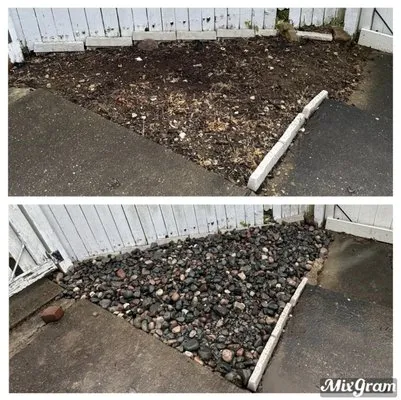
Global Services Landscape and Handyman is a Wellsburg-based company with 15 years of combined experience providing comprehensive outdoor solutions. We specialize in landscaping, hardscaping, and handy...

Signature Projects is a trusted, full-service contractor in Wheeling, WV, specializing in comprehensive outdoor living and home improvement solutions. We understand the unique challenges Wheeling home...
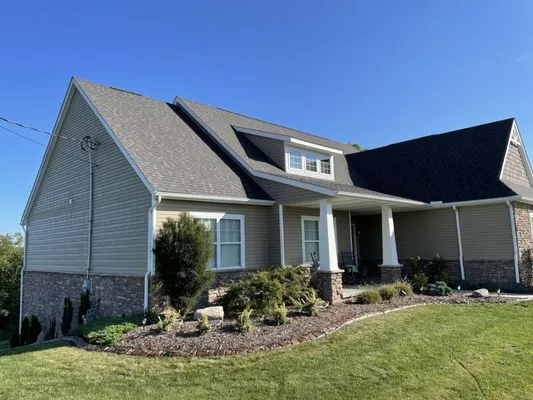
Ohio Valley Grass Monkey's, also known as Ohio Valley Edgescapes, is a family-owned landscaping business in Wellsburg, WV, founded by Bill and Tina Monk and their four sons. What began as a family pro...
Hall Landscapes Plus is a trusted, locally-owned landscaping company serving Wellsburg, WV, and the surrounding areas. We specialize in creating and maintaining healthy, beautiful outdoor spaces that ...
Southern Hospitality's Lawncare & Services in Weirton, WV, is a family-owned and operated business built on generations of craftsmanship and a genuine Southern hospitality approach. Founded with a pas...
Hybrid Enterprises in Weirton, WV, is a full-service provider built on a team of 20 skilled experts. Formed in 2016, the company combines specialized knowledge in landscaping, plumbing, and general co...
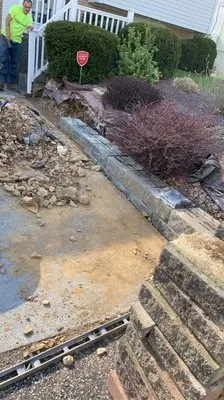
Elite Works is a Weirton-based contractor founded by James, who brings a lifetime of hands-on experience in the construction industry. While relatively new, the company has built a strong reputation f...
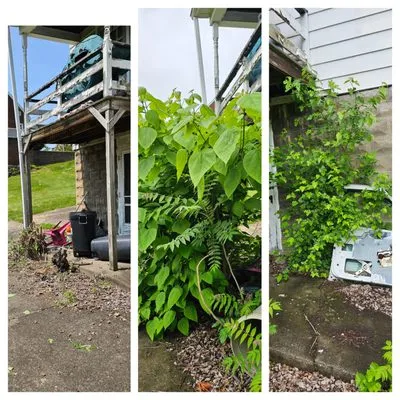
Mike's in Weirton, WV, is a local, family-operated business dedicated to enhancing the curb appeal and integrity of homes throughout our community. We specialize in comprehensive landscaping, professi...
ARound Service is your trusted, full-service home and property care provider in Follansbee, WV. We tackle the common local challenges of landscape edging damage and persistent mulch bed weeds with pro...
Spazz Design & Landscape is a dedicated lawn care provider serving Follansbee, WV, and the surrounding areas. We understand the common local challenges homeowners face, such as persistent mulch bed we...
Estimated Landscaping Service Costs in Hooverson Heights, WV
Frequently Asked Questions
What are the most aggressive weeds here, and how do I remove them safely?
Japanese Knotweed and Mile-a-Minute vine are high-priority invasive species alerts for this region. Manual removal and targeted, professional-grade herbicide applications are required for control. All treatments must follow State-compliant nutrient management guidelines, which prohibit certain fertilizers and chemicals during specific blackout dates to protect watersheds. A licensed professional will develop a management plan that eradicates the weed without harming your Common Milkweed or other desirable natives.
How can I maintain a healthy lawn without wasting water?
Despite no current municipal water restrictions, efficient irrigation is critical for the Kentucky Bluegrass and Tall Fescue blend common here. A smart Wi-Fi soil-moisture sensing system is the technical solution. It schedules watering based on actual evapotranspiration (ET) rates and soil conditions, not a preset timer. This prevents overwatering the naturally saturated silty clay loam, conserving water while promoting deeper root growth and drought tolerance in the turf.
What permits and licenses are needed to regrade and landscape my entire 0.35-acre lot?
Significant grading work on a 0.35-acre property in Brooke County typically requires an Erosion and Sediment Control permit from the Brooke County Planning Commission. The contractor must hold appropriate licensing through the West Virginia Division of Labor. This ensures the work adheres to state codes for structural integrity and environmental protection. DIY or unlicensed grading can lead to severe drainage issues for your and neighboring properties, resulting in costly corrections and potential legal liability.
Why does my yard in Hooverson Heights have such heavy, slow-draining soil?
Homes in Hooverson Heights, built around 1968, have approximately 58-year-old soil systems. The predominant acidic silty clay loam is a legacy of local geology and typical construction-grade fill. This soil type has poor permeability and tends to compact over decades, restricting root growth and water movement. Core aeration and incorporating organic compost are not optional; they are essential annual practices to improve soil structure and function in these established landscapes.
What is your fastest response time for an urgent HOA violation notice for overgrown vegetation?
Our peak storm response protocol targets a 20-30 minute arrival for emergency cleanup in Hooverson Heights. A crew would dispatch from a staging area near Veterans Memorial Park, utilizing WV-2 for direct access. This allows for immediate remediation of overgrowth to meet compliance standards. We prioritize these calls to mitigate fines and use electric equipment to operate within the local 8:00 AM to 8:00 PM noise ordinance window.
Is there a lower-maintenance alternative to my high-water lawn?
Transitioning high-input turf to a climate-adaptive xeriscape with native plants is a forward-looking strategy. Species like Eastern Redbud, Switchgrass, and Purple Coneflower are adapted to Zone 6b conditions and require no irrigation once established. This reduces mowing frequency and eliminates gas-powered leaf blower use, aligning with future noise ordinance trends. The resulting habitat supports local biodiversity, exceeding 2026 ecological landscape benchmarks.
My yard pools water after every rain. What is a long-term fix?
Moderate runoff and seasonal saturation are predictable in Hooverson Heights' acidic silty clay loam. The solution combines subsurface drainage with surface management. Installing a French drain system intercepts groundwater, while regrading creates positive surface flow away from structures. Replacing impervious surfaces with permeable sandstone paver installations can significantly reduce runoff volume, often meeting Brooke County Planning Commission standards for new hardscape projects.
Are sandstone pavers a better choice than wood for a new patio?
Sandstone pavers offer superior longevity and lower lifecycle maintenance compared to wood in our climate. They are non-combustible, which contributes to a higher Fire Wise rating for defensible space—a consideration even in Hooverson Heights' low-risk zone. Their natural permeability also aids in managing the site's runoff. Unlike wood, sandstone will not rot, warp, or require frequent sealing, making it a structurally sound and ecologically responsible hardscape material.
