Top Landscaping Services in Granville, WV, 26534 | Compare & Call

There are 83 landscaping companies server in Granville WV
Founded with a blend of youthful drive and seasoned professionalism, A-Team Pro Contractors brings over three decades of combined experience to Salem, WV. We are a dedicated team specializing in compr...
Appalachian Garden & Landscape brings over seven years of dedicated horticulture and lawn care experience to the Morgantown area. We believe in building sustainable, healthy landscapes that thrive and...
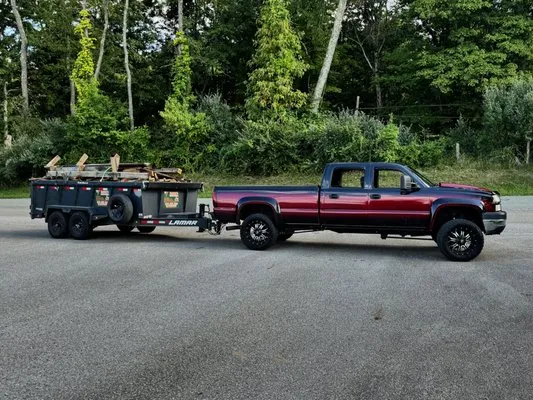
Travers Hauling & Services is a locally owned and operated company serving Morgantown, WV, and the surrounding communities. We provide dependable solutions for dumpster rental, junk removal, and lands...

Ghearradh Lawn Care is a family-owned and operated small business dedicated to providing superior lawn care services for the Morgantown, WV community. Founded on principles of reliability, fairness, a...
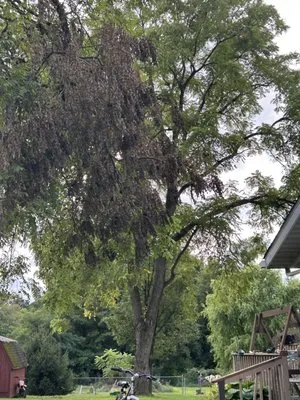
Ridgeview Tree Service & Landscaping is your trusted local partner for a healthy, beautiful outdoor space in Morgantown, WV. We specialize in professional landscape maintenance and expert tree care, t...
Big Bear Lawn Care And Landscaping is a Wheeling-based landscaping company owned and operated by Zane Klein, a local resident who graduated with a Business degree from WVNCC. Born and raised in Wheeli...
Modern Homestead is your trusted local landscaping partner in Reedsville, WV, specializing in comprehensive shrub care and landscape maintenance. We understand the unique challenges Reedsville propert...
Benson's Lawn Systems
Founded in 1978 by Jay Benson, a lifelong gardener, Benson's Lawn Systems is a family-owned Morgantown business with over four decades of professional experience. We specialize in an organic approach ...
Marks Landscaping & Design is a full-service landscaping company serving Masontown, WV, and surrounding areas. We specialize in comprehensive landscape solutions, from initial design to ongoing mainte...
Landscape Creations
Landscape Creations is a locally owned and operated landscaping and contracting business serving Morgantown, WV, and the surrounding areas. Founded in 2020, we bring a dedicated approach to transformi...
Estimated Landscaping Service Costs in Granville, WV
Frequently Asked Questions
Are permeable clay pavers a better choice than wood decking for a patio in Granville?
Permeable clay pavers offer superior longevity and functionality in Zone 6b. Unlike wood, they resist frost heave, require no sealing, and will not rot. Their permeability directly addresses drainage hazards. For properties in Moderate WUI Zone 2, they provide a non-combustible, defensible space material that meets Firewise recommendations without the maintenance burden of wood.
My yard holds water and creates runoff. What's the best long-term fix for Granville's saturated clay soils?
High runoff in silty clay loam requires integrated drainage. Subsurface French drains intercept groundwater, while regrading creates positive surface flow. Replacing impermeable surfaces with permeable clay pavers further mitigates runoff, often meeting Granville Town Planning Department's stormwater management standards by increasing onsite infiltration and reducing discharge volume.
A storm damaged trees and I need emergency debris cleanup to meet HOA compliance deadlines. How quickly can a crew arrive?
For emergency compliance work, our standard dispatch originates from the University Town Centre area. Crews take I-79 northbound, allowing arrival at most Granville Waterfront District properties within the 20-30 minute peak storm response window. This routing prioritizes access to equipment and facilitates rapid site assessment and debris management.
My Granville Waterfront District yard seems compacted and struggles to grow grass. Is this a common problem here?
Properties built around the community average of 1976 now have 50-year-old soils. Granville's native acidic silty clay loam tends to compact over decades, reducing permeability and root penetration. This explains poor turf performance. A core aeration program paired with organic compost amendments is critical to rebuild soil structure and correct pH imbalances inherent to the district's geology.
I'm planning a regrading and patio project on my 0.25-acre lot. What permits and contractor credentials are required?
Significant regrading that alters water flow requires a permit from the Granville Town Planning Department. Any contractor installing a permanent hardscape or performing earthwork must hold appropriate licensing through the West Virginia Division of Labor. This ensures compliance with state building codes and sediment control regulations, which are critical for projects on slopes or near property lines.
I've spotted invasive vines and weeds. How do I treat them without harming my garden or violating local rules?
Common invasives like Japanese Knotweed require targeted treatment. Manual removal for small patches is followed by precise, EPA-approved herbicide application for extensive rhizomes. All treatments strictly follow State BMPs for nutrient and chemical runoff prevention, avoiding application blackout dates near waterways to protect the Monongahela River watershed.
With Granville's conservation protocols, how can I keep my Kentucky Bluegrass and Tall Fescue blend healthy without wasting water?
Wi-Fi ET-based weather sensing irrigation is the technical solution. The system automatically adjusts runtime based on real-time evapotranspiration data, precipitation, and local soil moisture. This prevents overwatering the dense clay soils, adhering to conservation protocols while delivering precise hydration to maintain turfgrass rootzone health during peak growing periods.
I want to reduce mowing, noise, and water use. What are my options for replacing high-maintenance turf?
Transitioning to a xeriscape with native species like Switchgrass, Purple Coneflower, and Blazing Star significantly reduces resource inputs. This landscape eliminates weekly mowing, pre-empting future noise ordinance conflicts as electric equipment becomes mandated. It also builds biodiversity and requires no irrigation once established, aligning with 2026 ecological standards.
