Top Landscaping Services in Glen Dale, WV, 26038 | Compare & Call

There are 22 landscaping companies server in Glen Dale WV
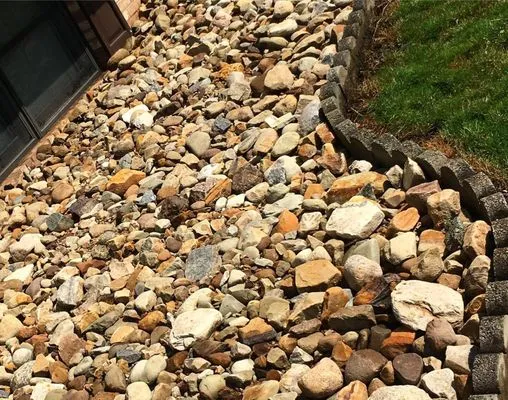
Big Bear Lawn Care And Landscaping is a Wheeling-based landscaping company owned and operated by Zane Klein, a local resident who graduated with a Business degree from WVNCC. Born and raised in Wheeli...
Kreitzer Landscaping has been a trusted Wheeling, WV landscaping partner since 2004, serving Ohio, Marshall, and Belmont Counties. We specialize in creating and maintaining beautiful outdoor spaces wi...
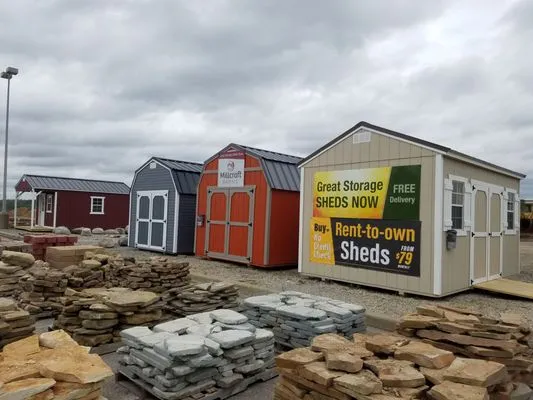
Yensen Landscape Supply
Yensen Landscape Supply in Wheeling, WV, is a full-service landscape company led by a registered landscape architect with a degree from West Virginia University and extensive experience in land planni...
Beckett Landscaping is a trusted Wheeling, WV, contractor specializing in comprehensive landscaping solutions for local homes and businesses. We understand the common regional challenges homeowners fa...

Tj's Construction and Landscaping
TJ's Construction and Landscaping is a trusted, full-service contractor serving Saint Clairsville and the surrounding Ohio Valley. We specialize in transforming homes and properties, handling everythi...
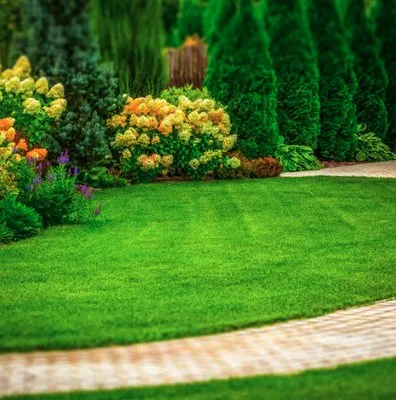
Fresh Cuts & More is Wheeling, WV's trusted local lawn care provider, specializing in tackling the common landscaping challenges unique to our area. We understand the frustration of bare patches and p...

Signature Projects is a trusted, full-service contractor in Wheeling, WV, specializing in comprehensive outdoor living and home improvement solutions. We understand the unique challenges Wheeling home...
Daveco Landscaping is a trusted, local Wheeling landscaping company dedicated to solving common regional yard challenges. We specialize in addressing issues like soil compaction from heavy clay soils ...
CB Lawn Care is a trusted Wheeling, WV lawn service provider focused on solving the specific challenges local homeowners face. Our core service, professional lawn care, directly addresses the area's c...
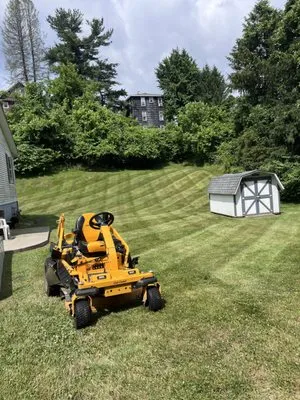
Clean Edges Lawn Care
Clean Edges Lawn Care is a Glen Dale, WV-based provider of comprehensive lawn, tree, and gutter services, dedicated to delivering reliable, experienced, and quality work for local residents. We focus ...
Estimated Landscaping Service Costs in Glen Dale, WV
Common Questions
How quickly can a crew respond for an emergency cleanup after a storm?
For urgent HOA compliance or storm debris removal, our standard dispatch originates from the Grand Vue Park operations hub. Traveling via WV-2 allows a reliable 20-30 minute arrival to Glen Dale Heights, even during peak congestion. We maintain electric-powered equipment to operate within the 10:00 PM to 7:00 AM quiet hours, enabling flexible response windows for time-sensitive issues without violating local noise ordinances.
My yard pools water after rain. What's the best long-term fix for my property?
Moderate runoff is common here due to the impermeable clay-heavy subsoil beneath acidic silt loam. The solution integrates grading and hardscape choices. Replacing solid concrete with permeable sandstone or concrete paver systems creates critical infiltration points. These installations must be designed to meet Marshall County Planning Commission runoff standards, effectively managing stormwater on-site and protecting your foundation from hydrostatic pressure.
Is smart irrigation worth it here, and how does it work with our water rules?
Absolutely. While Glen Dale has no formal water restrictions, standard conservation protocols make efficient use imperative. Smart Wi-Fi soil-moisture sensors provide ET-based irrigation, delivering water only when and where your Kentucky Bluegrass and Tall Fescue blend needs it. This system prevents overwatering that exacerbates our clay-heavy subsoil runoff issues and keeps your usage well within municipal expectations, preserving turf health without waste.
What are my options for a lower-maintenance, eco-friendly landscape?
Transitioning from high-input turf to a palette of native plants like Eastern Redbud, Flowering Dogwood, Bee Balm, and Black-eyed Susan is the strategic path. This xeriscape approach drastically reduces mowing, watering, and the need for gas-powered blowers, aligning with evolving noise ordinances. It builds a resilient, biodiverse habitat that thrives in Zone 6b with minimal intervention, staying ahead of regulatory trends.
What permits and credentials are needed for a major regrading project on my 0.35-acre lot?
Any significant alteration of land contours requires review by the Marshall County Planning Commission for drainage compliance. The contractor must hold appropriate licensing through the West Virginia Division of Labor. On a 0.35-acre lot, engineered solutions may be necessary to manage stormwater, and using unlicensed labor for this work can result in fines and voided insurance coverage for downstream property damage.
Why does my soil feel so compacted and what's the history behind it in Glen Dale Heights?
Homes built around the 1951 average, like many in Glen Dale Heights, have soils that have been undisturbed for 75 years. This long period allows a dense, clay-heavy subsoil to form beneath the surface layer, severely restricting water percolation and root growth. Your acidic silt loam likely suffers from low organic matter due to decades of standard maintenance. Annual core aeration and incorporating compost are non-negotiable practices to rebuild soil structure and counteract this inherited compaction.
Are sandstone patios a good choice compared to wood decks here?
For longevity and fire resilience, sandstone and concrete pavers are superior. In our Moderate (WUI Zone 2) fire risk rating, non-combustible hardscapes contribute to mandated defensible space. Unlike wood, which decays and requires chemical treatment, stone withstands freeze-thaw cycles in Zone 6b with minimal maintenance. It provides permanent, permeable structure that integrates with the native landscape.
What invasive species should I watch for, and how do I handle them safely?
Monitor for Japanese knotweed, mile-a-minute vine, and tree-of-heaven, which thrive in disturbed soils. Treatment requires precise timing and method to avoid violating state BMPs for phosphorus runoff. Professional applicators use targeted, systemic herbicides outside of seasonal blackout dates to prevent chemical migration into waterways. Manual removal is often insufficient for established rhizomatous networks.
