Top Landscaping Services in Fort Ashby, WV, 26719 | Compare & Call
There are 21 landscaping companies server in Fort Ashby WV
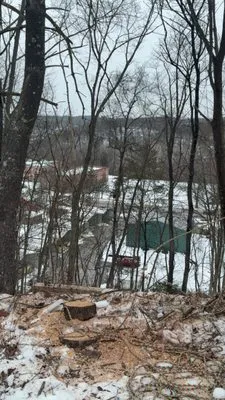
Mountain Top Land Management is a family-owned excavation, landscaping, and tree service provider based in Romney, West Virginia. Founded on a commitment to honest work and building lasting relationsh...
Estimated Landscaping Service Costs in Fort Ashby, WV
Q&A
How quickly can you respond for emergency storm cleanup to meet HOA compliance deadlines?
For urgent storm response in the Fort Ashby area, our primary dispatch originates near the Fort Ashby Fort Site Park. Using WV-28, we can typically reach most properties within the historic district in 45 to 60 minutes during peak conditions, accounting for debris on secondary roads. Our crews are equipped for immediate triage—clearing driveways and public right-of-ways first to restore access and safety, followed by systematic lot cleanup to meet any covenant specifications.
Can we have a green lawn without wasting water, especially with our local water system?
Yes, efficient irrigation is achievable and responsible. While Mineral County PSD has no active restrictions, proactive conservation is wise. Modern smart Wi-Fi controllers with in-ground soil moisture sensors are essential. They bypass preset schedules, watering only when the root zone of your Kentucky Bluegrass and Tall Fescue blend actually needs it, based on local evapotranspiration (ET) data. This technology can reduce potable water use by 20-40% while maintaining turf vitality through our summer heat.
Why does our soil seem so compacted and tough to work with in the Fort Ashby Historic District?
Homes built around 1981, like many here, have soil with a 45-year development history. Over decades, construction compaction and routine maintenance have degraded the structure of our native acidic silty clay loam. This soil type naturally has low permeability, and years of foot and equipment traffic have further reduced pore space, limiting root growth and water infiltration. Core aeration and incorporating composted organic matter are critical to rebuild soil biology and improve drainage for plant health.
What should we do about invasive weeds like Japanese Knotweed without harming the environment?
Invasive species require a targeted, persistent strategy. For perennial invaders, careful spot-application of EPA-approved herbicides during the plant's active growth phase is often necessary, strictly following state BMP guidelines which prohibit application on frozen ground. This should be combined with mechanical removal and soil rehabilitation. After eradication, replanting the area with dense, aggressive native species helps outcompete future weeds and restores ecological function to your landscape.
Our yard stays soggy long after rain. What's a lasting solution for poor drainage?
Persistent wet areas are common due to the seasonal high water table and the slow percolation rate of silty clay loam. Simply moving water is not enough; you must improve infiltration. Solutions include regrading to direct runoff to a dry well or rain garden planted with water-tolerant natives. Using permeable concrete or local sandstone for any new patios or paths also meets Mineral County Planning Commission runoff standards by allowing water to recharge the groundwater on-site, mitigating the hazard.
Why is proper licensing so important for grading and landscape construction work?
Significant earthmoving on a 0.35-acre lot alters water drainage patterns, impacting your property and neighbors. The Mineral County Planning Commission may require a grading permit for such work. Hiring a contractor licensed by the West Virginia Division of Labor ensures they carry required insurance, understand state sediment control laws, and adhere to building codes. This protects you from liability for runoff damage or structural failure and guarantees the work is performed to professional safety and environmental standards.
Is there a lower-maintenance, eco-friendly alternative to our high-input lawn?
Absolutely. Transitioning sections of turf to a climate-adaptive xeriscape with regional natives like Butterfly Milkweed, Switchgrass, and New England Aster significantly reduces water, fertilizer, and mowing demands. These plants are adapted to Zone 6b and our soil pH, requiring minimal intervention once established. This shift also future-proofs your property against evolving noise ordinances, as it reduces dependency on gasoline-powered blowers and mowers, aligning with broader moves toward electric maintenance fleets.
We're adding a patio. Is local sandstone better than composite wood for our area?
For longevity and fire resilience, local sandstone is superior. It is a permanent, non-combustible material that withstands freeze-thaw cycles and requires zero maintenance. In our Moderate (WUI Zone 2) fire risk area, creating defensible space is a consideration; stone patios provide a critical firebreak. While permeable concrete is another excellent option for managing runoff, sandstone offers a unique aesthetic that complements the historic character of Fort Ashby with greater durability than any wood or wood-alternative.
