Top Landscaping Services in Dunbar, WV, 25064 | Compare & Call

Jones Empire
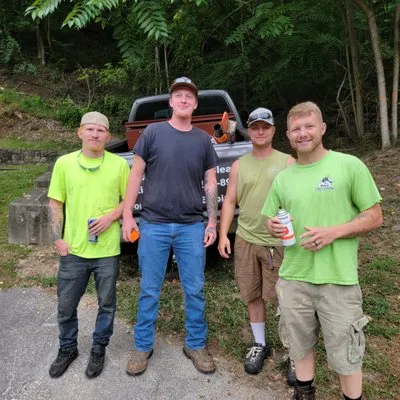
Jones Empire Tree Service LLC is your local, licensed partner for property care in Dunbar and across Putnam County. We provide comprehensive tree services, including trimming, removal, and emergency s...

Eak's Odd Jobs is a locally owned and operated small business based in Dunbar, WV, dedicated to handling the wide range of small jobs that homeowners and vehicle owners encounter. As a Dunbar resident...

Real Property Industries, LLC is a licensed and insured contracting company serving the Charleston-Huntington area, including Dunbar, WV. We specialize in all things exterior, building lasting relatio...
Keeney Landscaping provides professional tree and lawn care services for homeowners in Dunbar, WV, and the surrounding Kanawha Valley. We understand the unique challenges of our local climate, includi...
Rapid Cuts Lawncare is a trusted local lawn service provider in Dunbar, WV, dedicated to keeping yards healthy and well-maintained. We specialize in addressing common regional challenges, such as repa...
Lonnyz Lawnz is your trusted local lawn care expert in Dunbar, WV. We specialize in keeping your property looking its best, year-round. Understanding the specific challenges Dunbar homeowners face, we...
E&E Landscaping is a trusted, locally-owned lawn and tree service provider serving Dunbar, WV, and the surrounding communities. We specialize in comprehensive lawn care and expert tree care services d...
Frequently Asked Questions
What should I do if I spot invasive plants like Japanese Knotweed?
Invasive species alerts require immediate, specific action to prevent spread. For perennial invaders, a targeted foliar herbicide application in late summer is often necessary, strictly following the State BMP Nutrient Management Guidelines to protect waterways. In garden beds, manual removal combined with a thick mulch layer of arborist wood chips can suppress seedlings. Always schedule any chemical treatments outside of local fertilizer ordinance blackout dates and consider phased replacement with aggressive natives like Switchgrass to outcompete returning weeds.
Why does the soil in Dunbar Heights seem so dense and difficult to work with?
Properties in Dunbar Heights, built around 1958, have acidic silty clay loam soils that are approximately 68 years mature. This extended timeline has led to significant compaction from construction and decades of foot traffic, reducing soil percolation. The dense clay fraction holds water, creating saturation issues, while the inherent low pH limits nutrient availability. Corrective action requires core aeration in fall and amendments with composted leaf mold to improve structure and gradually raise pH for healthier plant roots.
How can I keep my Tall Fescue lawn green without wasting water?
Implementing a Wi-Fi ET-based irrigation system is the most effective method. This technology uses local weather station data to calculate evapotranspiration (ET), automatically adjusting runtime to replace only the water the grass has used. For Dunbar's acidic silty clay loam, this prevents overwatering that leads to clay saturation and runoff. Programming deep, infrequent watering cycles between 4 AM and 8 AM aligns with standard conservation protocols, promoting deep root growth in Tall Fescue and maximizing water use efficiency within municipal limits.
What permits and credentials are needed to regrade my backyard?
Regrading a 0.22-acre lot typically requires a land disturbance permit from the Dunbar Planning & Zoning Department to ensure proper erosion control and drainage plans. The contractor must hold appropriate licensing through the West Virginia Division of Labor. This is critical because altering topography affects stormwater runoff patterns on neighboring properties. Licensed professionals carry the insurance and expertise to execute the work within legal boundaries, preventing costly violations related to sediment discharge or improper slope creation that could undermine foundations.
Are concrete pavers or wooden decks better for a long-lasting patio?
Concrete pavers and local sandstone offer superior longevity and lower lifetime maintenance compared to wood in Dunbar's climate. These materials have high compressive strength, resist freeze-thaw cycles in Zone 6b, and do not rot, warp, or require sealing. From a Fire Wise perspective, their non-combustible nature contributes to the defensible space required in low-rated urban interface zones, unlike wooden structures. Their permeability, when installed correctly, also aligns with modern runoff management standards, adding functional value beyond aesthetics.
How quickly can a crew respond for an emergency tree cleanup after a storm?
A dedicated emergency crew can typically mobilize for critical incidents like storm-downed trees within a 20-30 minute window during peak hours. The standard dispatch route originates from our central staging area near Dunbar City Park, utilizing I-64 for the most direct access to Dunbar Heights neighborhoods. This response time accounts for traffic variables and enables rapid site assessment, debris management initiation, and securing the area to prevent further property damage or safety hazards.
My yard collects water after heavy rain; what's a lasting solution?
Moderate runoff in Dunbar is often due to the low permeability of the native silty clay loam. A functional solution integrates subsurface French drains with channeling to a designated outlet. For hardscape areas, specifying permeable jointing sand between concrete pavers or local sandstone allows infiltration, reducing surface flow. These designs often meet the Dunbar Planning & Zoning Department's updated stormwater management standards by mitigating off-site discharge and correcting the chronic clay saturation that stresses turf and planting beds.
What are lower-maintenance alternatives to my traditional lawn?
Transitioning to a climate-adaptive landscape with regional natives like Purple Coneflower and Switchgrass significantly reduces water, mowing, and chemical inputs. These deep-rooted plants thrive in Zone 6b and the local acidic soil, building soil health and supporting 2026 biodiversity standards. This shift also future-proofs your property against evolving noise ordinances that restrict gas-powered blowers and mowers, as native plantings require less frequent maintenance and are ideally serviced by emerging electric fleet equipment.
