Top Landscaping Services in Craigsville, WV, 26205 | Compare & Call

There are 11 landscaping companies server in Craigsville WV
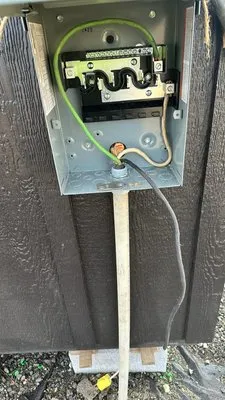
J & B Electrical and Home Solutions is a trusted, full-service contractor serving Mount Nebo, WV, and surrounding areas. We specialize in electrical work, carpentry, and landscaping, offering comprehe...
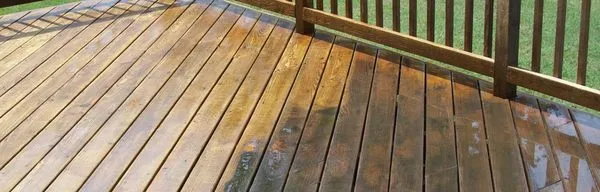
Forever Green in Eccles, WV, is your local expert for pressure washing, lawn services, and gutter cleaning. We specialize in addressing common landscaping challenges in our area, such as bare lawn pat...
J&S Seal Coating & Lawn Care
J&S Seal Coating & Lawn Care is a trusted local provider in Mount Nebo, WV, offering comprehensive lawn care and property maintenance services. We specialize in addressing common regional challenges l...
At Rent A Son in Oak Hill, WV, we believe in the power of a helping hand. Our company was founded on a simple but powerful passion: empowering others by helping them overcome life's everyday obstacles...
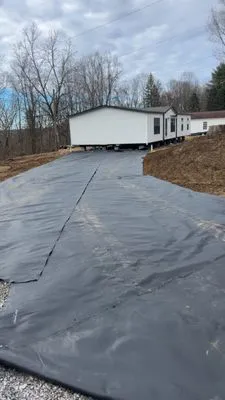
We provide reliable land services in Nettie, WV, focusing on quality excavation, landscaping, and tree services. I believe in honest work and clear communication. If a project isn't the right fit, I'l...
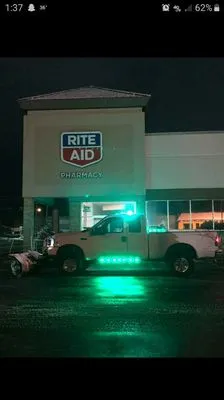
Chris Landscape And Design
Based in Craigsville, WV, Chris Landscape And Design is your local, dedicated partner for a healthy and beautiful outdoor space. We specialize in comprehensive landscape maintenance, reliable snow rem...
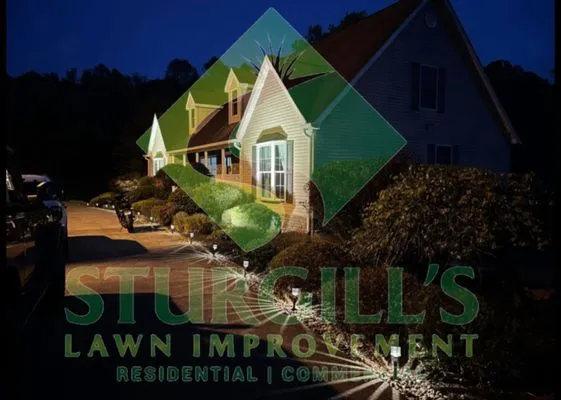
Sturgill’s Lawn Improvement is your local partner for a healthy, attractive outdoor space in Nettie, WV. We provide dependable lawn care, including mowing and seasonal cleanups, to keep your yard look...

Huzzah Handyman Service is your trusted local handyman in Craigsville, WV, offering comprehensive home maintenance and repair solutions. We specialize in handyman assembly, door and window repair, dry...
Campbell's Curb & Landscaping is a trusted Craigsville-based landscaping company dedicated to solving common local lawn and garden challenges. Many homes in our area struggle with patchy lawn grass an...
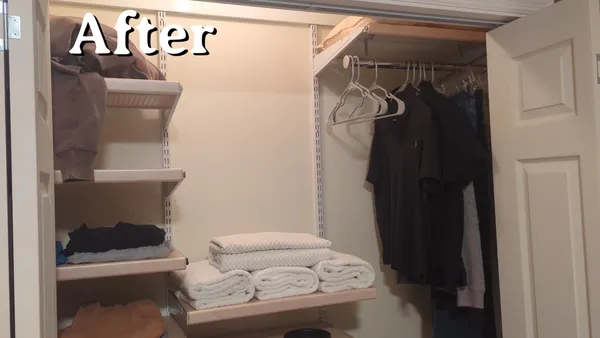
Need-A-Fix is your trusted local handyman and lawn care service in Richwood, WV, serving Nicholas County with over a decade of professional experience. Founded on a mechanical engineering background a...
Estimated Landscaping Service Costs in Craigsville, WV
Q&A
Why does my Craigsville lawn struggle despite regular watering and fertilizing?
Properties in the Craigsville Residential District average 48 years of soil development since typical 1978 construction. Over decades, acidic silty loam (pH 5.5-6.2) becomes compacted from foot traffic and equipment weight, reducing soil percolation below 1 inch per hour. Core aeration every 2-3 years introduces oxygen channels while incorporating 0.5 inches of composted organic matter improves water retention by 15-20%. This addresses the clay-based compaction layer that restricts root penetration beyond 4 inches.
How quickly can you respond to storm damage that violates HOA appearance standards?
Emergency cleanup crews dispatch from Nicholas County Veterans Memorial Park via WV-20, maintaining peak storm response within 45-60 minutes. Electric maintenance fleets operate within standard quiet hours (7 AM - 9 PM) without noise ordinance violations. The route prioritizes arterial roads to access the Craigsville Residential District, where crews document damage for insurance claims while removing hazardous limbs and debris to restore property safety within 4-6 hours of arrival.
Should I install automated irrigation despite Craigsville's abundant rainfall?
Standard drip or soaker hose systems with optional weather sensing maintain optimal soil moisture at 6-8 inch depth for Kentucky Bluegrass and Tall Fescue blends. While no active water restrictions exist, ET-based irrigation reduces consumption 30-40% compared to traditional sprinklers by delivering water directly to root zones. This prevents fungal diseases common in humid Appalachian summers while ensuring 1-1.5 inches of weekly precipitation equivalent during dry periods from April through September.
What solutions prevent basement flooding from moderate runoff on my property?
Clay-based compaction in acidic silty loam creates surface runoff exceeding 2 inches per hour during heavy rains. Permeable Appalachian sandstone hardscape installations increase infiltration rates to 3-4 inches per hour when set with 0.25 inch joints filled with angular gravel. The Nicholas County Planning Commission requires drainage plans showing 2% slope away from foundations, which combined with French drains at 18-inch depth redirects water 10-15 feet from structures to meet municipal runoff standards.
Is Appalachian sandstone better than pressure-treated wood for retaining walls?
Native Appalachian sandstone offers 50+ year longevity versus 15-20 years for pressure-treated wood in Craigsville's freeze-thaw cycles. The material's natural thermal mass moderates soil temperature fluctuations while creating defensible space crucial for Moderate Wildland-Urban Interface ratings. Dry-stacked installations without mortar allow 0.5 inch permeability for drainage, and non-combustible properties reduce fire ladder risks compared to wooden structures that require chemical treatments against decay fungi.
How do I control invasive species without harming my established landscape?
Japanese knotweed and multiflora rose pose significant threats in Craigsville's acidic soils, spreading through rhizomes that survive conventional mowing. Manual removal during early April peak mulching season prevents seed dispersal, followed by targeted glyphosate applications to cut stems using shield sprayers. These methods comply with West Virginia's fertilizer ordinance without phosphorus runoff concerns, while mycorrhizae inoculants applied to disturbed areas restore soil biology within 4-6 weeks of treatment.
Can I reduce maintenance while supporting local pollinators?
Replacing 500-800 square feet of high-maintenance turf with Monarda didyma, Asclepias tuberosa, Echinacea purpurea, and Rudbeckia hirta creates biodiverse habitats requiring 75% less water. These native species establish deep taproots within 2 growing seasons, eliminating weekly mowing and reducing gas-blower use ahead of evolving noise ordinances. The planting scheme follows 2026 biodiversity standards with staggered bloom times from May through October, supporting monarch butterflies and native bee populations throughout Nicholas County.
What permits and licenses are needed for regrading my 0.35-acre lot?
The Nicholas County Planning Commission requires engineered grading plans for soil movement exceeding 50 cubic yards on 0.35-acre properties. Contractors must hold West Virginia Division of Labor licensing for excavation work involving slopes over 15% or within 10 feet of property lines. This ensures proper compaction testing to 95% Proctor density and erosion control measures that prevent sedimentation in adjacent waterways, with inspections scheduled at 30% and 90% completion stages before final approval.
