Top Landscaping Services in Coal City, WV, 25813 | Compare & Call

There are 47 landscaping companies server in Coal City WV
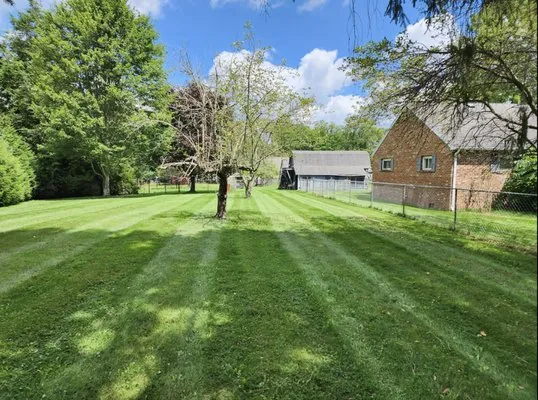
Grazing Goats Lawncare is a dedicated lawn service provider in Shady Spring, WV, focused on creating and maintaining healthy, resilient lawns. We understand the common local challenges of poor lawn gr...

Cooper's Lawn Service in Beaver, WV is a family-owned and operated business founded on the principle of giving 100% to every customer. After years of working for other landscaping companies, the owner...
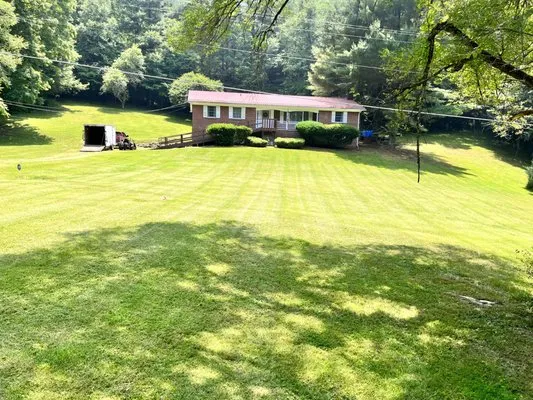
Rooted In Christ Lawn Care is a trusted lawn service provider in Scarbro, WV, dedicated to maintaining healthy, beautiful landscapes for our community. We understand the common local challenges of sta...
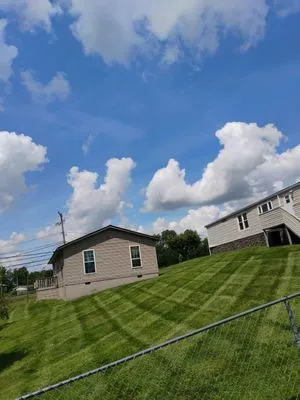
Country Roads Landscaping is a trusted local lawn care provider serving Beaver, WV, and the surrounding communities. We specialize in comprehensive lawn services designed to tackle the specific challe...
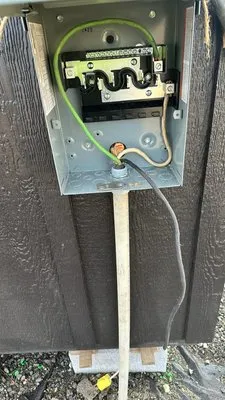
J & B Electrical and Home Solutions is a trusted, full-service contractor serving Mount Nebo, WV, and surrounding areas. We specialize in electrical work, carpentry, and landscaping, offering comprehe...
PS Mowing is your local lawn care provider serving Pineville and the wider southern West Virginia region, including Wyoming, Mercer, McDowell, Mingo, Raleigh, and Boone Counties. Founded by Payton Van...
Shrewsbury LawnCare is your trusted local expert for lawn services and pressure washing in Forest Hill, WV. We understand the specific challenges our community faces, including stubborn soil compactio...
Cook Remodeling is your trusted, full-service partner for construction and landscaping in Charlton Heights, WV. We specialize in enhancing both your home's structure and its outdoor living spaces. Fro...

Perfection Landscape is a family-owned and operated business in Chapmanville, WV, with deep roots in the community. For generations, we've built our reputation on treating every project as if it were ...
Norman Services is your trusted local handyman and lawn care provider in Switzer, WV. We understand the unique challenges Switzer homeowners face, including persistent weeds in mulch beds and lawn dam...
Estimated Landscaping Service Costs in Coal City, WV
Q&A
My yard has noticeable slope erosion. What's a durable solution that also looks good?
Moderate runoff on sloped lots here is often exacerbated by the soil's low permeability. A tiered solution using permeable native Appalachian sandstone can effectively manage water flow. This material allows for gradual infiltration, meeting Raleigh County Planning and Zoning standards for onsite stormwater management. Integrating a dry creek bed or retaining wall with the sandstone addresses the erosion hazard while providing a natural, low-maintenance hardscape that complements the local landscape.
Is my WiFi-enabled, ET-based irrigation system worth it if we're under Stage 0 water restrictions?
Yes, ET-based sensors are a critical investment for long-term conservation, even without current mandates. These systems calculate evapotranspiration to apply only the precise water needed, preserving your Kentucky Bluegrass and Tall Fescue blend while preventing over-saturation of the acidic silty loam. Proactive water management reduces strain on municipal resources and prepares your property for potential future restrictions. This technology also prevents the shallow root growth associated with manual watering, building a more drought-resilient lawn.
Why does regrading my 0.35-acre lot require a special licensed contractor?
Significant earthmoving on a 0.35-acre parcel triggers review by the Raleigh County Planning and Zoning office to ensure proper stormwater management and adherence to setback rules. In West Virginia, this type of work requires a contractor licensed by the West Virginia Division of Labor, which verifies competency in erosion control and compliance with state BMPs. Unpermitted grading can lead to downstream property damage, fines, and costly remediation, making professional licensing non-negotiable for responsible site work.
What invasive species should I watch for, and how do I treat them safely?
In Zone 6b, watch for Japanese Knotweed and Tree-of-Heaven, which thrive in disturbed soils. Treatment must respect the state BMP guideline prohibiting nitrogen application before April 1st to protect watersheds. For many invasives, manual removal or targeted cut-stump herbicide applications in late fall are effective and compliant methods. Always identify the species first, as treatment timing and method are critical to avoid harming desirable native plants and violating local fertilizer blackout dates.
Is Appalachian sandstone better than wood for a new patio or retaining wall?
Native Appalachian sandstone offers superior longevity and fire resilience compared to wood. Its mineral composition is non-combustible, contributing directly to a defensible space for properties in Moderate (WUI Zone 2) fire risk areas. Sandstone requires no chemical treatments, won't rot, and provides permanent structure with minimal maintenance. For retaining walls on sloped lots, its permeability also aids in subsurface drainage, making it a multifunctional choice for both aesthetics and infrastructure.
I want to reduce mowing and gas blower noise. What are my options?
Transitioning high-maintenance turf areas to a planting of native species like Rhododendron maximum, Mountain Laurel, Black-eyed Susan, and Eastern Redbud significantly reduces weekly mowing and blowing needs. This xeriscaping approach aligns with evolving noise ordinances targeting gas-powered equipment and supports 2026 biodiversity standards. These adapted plants require minimal irrigation once established, deepening ecological benefits. The shift also future-proofs your landscape against potential tighter restrictions on maintenance fleets.
How quickly can you respond for an emergency storm cleanup to meet HOA compliance deadlines?
Our dispatch from the Coal City Elementary School area prioritizes emergency calls, utilizing I-64/I-77 for direct access to the Residential District. During peak storm conditions, we account for a 25-35 minute travel window to mobilize crews and equipment. We coordinate with property managers to document damage and secure the site, ensuring work complies with local standards for debris removal. All operations adhere to the standard noise ordinance window of 7:00 AM to 9:00 PM for immediate response.
Why does my lawn in the Coal City Residential District feel compacted and drain poorly?
Homes built around the neighborhood's 1984 average age have established on acidic silty loam, a soil that naturally compacts over 40+ years without intervention. This soil's fine particles reduce permeability, a primary cause of moderate runoff and slope erosion observed here. Core aeration each fall, paired with integrating 1-2 inches of compost, is necessary to rebuild soil structure and improve water infiltration. These amendments also help buffer the native pH of 5.5-6.2, creating a healthier root zone for your turf.
