Top Landscaping Services in Cheat Lake, WV, 26508 | Compare & Call

There are 95 landscaping companies server in Cheat Lake WV
Founded with a blend of youthful drive and seasoned professionalism, A-Team Pro Contractors brings over three decades of combined experience to Salem, WV. We are a dedicated team specializing in compr...
Appalachian Garden & Landscape brings over seven years of dedicated horticulture and lawn care experience to the Morgantown area. We believe in building sustainable, healthy landscapes that thrive and...
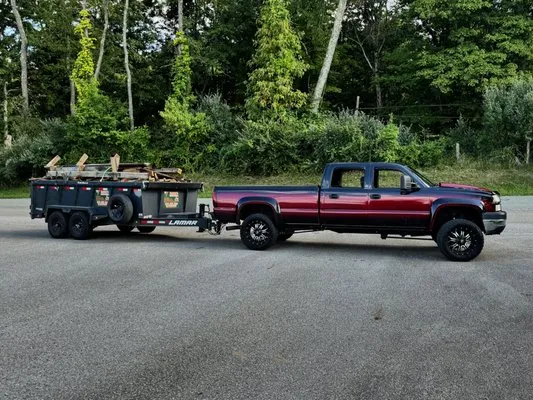
Travers Hauling & Services is a locally owned and operated company serving Morgantown, WV, and the surrounding communities. We provide dependable solutions for dumpster rental, junk removal, and lands...
West Virginia Property Maintenance
West Virginia Property Maintenance is your local, full-service solution for property care in Clarksburg and surrounding counties. We specialize in transforming overgrown properties into clean, safe, a...
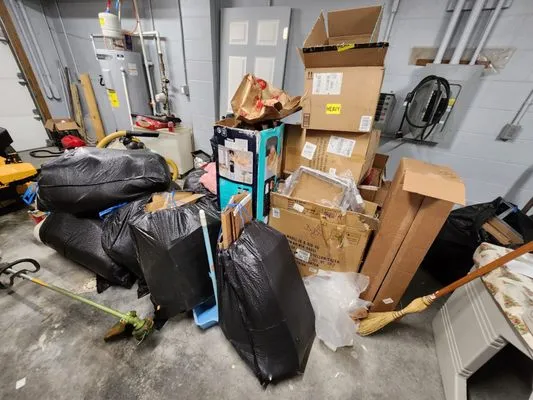
C M O Trailer Rental & Debris Removal is a family-owned and operated business serving Morgantown, WV, with reliable dumpster rental and property management solutions. We specialize in construction deb...
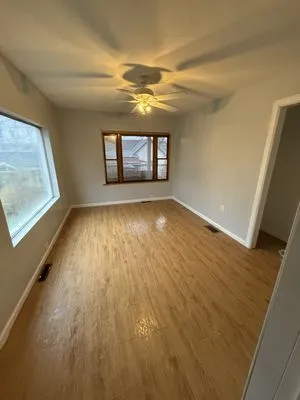
Hilling Solutions is a trusted Morgantown handyman service specializing in drywall installation & repair, landscaping, and comprehensive home maintenance. Serving the local community, we help homeowne...

Mountaineer Lawn Care is your local, dedicated partner for a healthy and vibrant outdoor space in Morgantown, WV. We understand the unique challenges of maintaining landscapes in our region, from the ...

Ghearradh Lawn Care is a family-owned and operated small business dedicated to providing superior lawn care services for the Morgantown, WV community. Founded on principles of reliability, fairness, a...
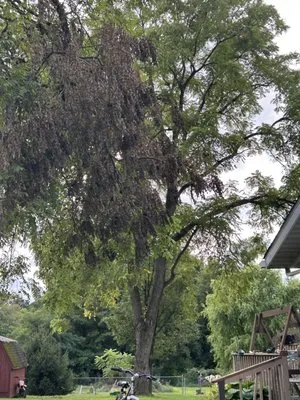
Ridgeview Tree Service & Landscaping is your trusted local partner for a healthy, beautiful outdoor space in Morgantown, WV. We specialize in professional landscape maintenance and expert tree care, t...

Modern Homestead is your trusted local landscaping partner in Reedsville, WV, specializing in comprehensive shrub care and landscape maintenance. We understand the unique challenges Reedsville propert...
Estimated Landscaping Service Costs in Cheat Lake, WV
Q&A
What permits and credentials are needed to regrade our half-acre property?
Significant grading on a 0.45-acre lot typically requires an erosion and sediment control plan approved by the Monongalia County Planning Department. The contractor must hold appropriate licensing through the West Virginia Division of Labor. This ensures compliance with state BMPs, especially critical near waterways to prevent sedimentation. Always verify these credentials before work begins to avoid liability and ensure the project meets county standards.
Our yard has significant runoff and slope erosion; what are the best solutions?
Moderate runoff on acidic silty clay loam is a common Cheat Lake challenge due to its naturally slow percolation. Integrating permeable concrete pavers for patios or walkways creates critical infiltration points. For slopes, constructing terraced rain gardens with native plants and subsurface French drains can intercept and manage water flow. These strategies often align with Monongalia County Planning Department standards for stormwater management on residential lots.
How quickly can you respond for an emergency storm cleanup to meet HOA compliance deadlines?
For urgent post-storm work in Cheat Lake Estates, our dispatch from the Cheat Lake Park area utilizes I-68 for direct access, targeting a 25-35 minute arrival during peak conditions. Our electric-powered maintenance fleet operates within standard noise ordinance hours (7:00 AM - 9:00 PM) for immediate debris management. We prioritize securing the property and mitigating hazards to swiftly bring the landscape into compliance.
Is sandstone or composite wood better for a new patio in our wooded lot?
Local sandstone and permeable concrete pavers offer superior longevity and minimal maintenance compared to wood, which decays and requires sealing. In Cheat Lake's Moderate Wildland-Urban Interface Zone, non-combustible hardscape materials like sandstone contribute to defensible space by creating a fire-resistant buffer. Their permeability also addresses drainage concerns, making them a multifunctional choice for durability and safety.
What are low-maintenance alternatives to our high-input lawn that fit the area?
Transitioning to a climate-adaptive landscape with regionally native plants like Purple Coneflower, Switchgrass, and New England Aster reduces water, fertilizer, and maintenance demands. These species support local biodiversity and establish deep root systems that stabilize soil. This approach also future-proofs your property against evolving noise ordinances that restrict gas-powered blowers and mowers, favoring quieter, electric maintenance.
Why is the soil in our Cheat Lake Estates yard so dense and compacted?
Soils in subdivisions developed around 1992, like many here, are typically construction-grade subsoil lacking mature organic structure. After 34 years, the native acidic silty clay loam has settled into a dense layer with low permeability. This compaction restricts root growth and water infiltration, creating runoff issues on sloped lots. Core aeration and incorporating composted organic matter are foundational steps to rebuild soil biology and improve texture for plant health.
How do we keep a Tall Fescue lawn healthy during dry spells without violating water rules?
Under normal monitor-only restrictions, precise water management is critical. Smart Wi-Fi moisture-sensing controllers use local evapotranspiration (ET) data and soil probes to irrigate only when needed, preventing overwatering. Deep, infrequent watering encourages deeper root systems in Tall Fescue, improving drought tolerance. This technology maximizes efficiency, keeping turf health within municipal water use expectations without manual intervention.
What invasive species should we watch for, and how are they treated safely?
Japanese Knotweed and Mile-a-Minute Vine are prevalent invasive threats in Monongalia County. Treatment involves targeted, systemic herbicide applications during active growth phases, strictly following state BMP guidelines to prevent nitrogen and phosphorus runoff into nearby Cheat Lake waterways. For severe infestations, professional excavation may be required, followed by replanting with aggressive natives like Switchgrass to outcompete returning seedlings.
