Top Landscaping Services in Buffalo, WV, 25033 | Compare & Call
There are 74 landscaping companies server in Buffalo WV
AK Construction is a Charleston-based company specializing in exterior home improvement, from decks and landscaping to gutter systems. Founded by Tony Koontz, a journeyman electrician with 25 years of...
Smith 5 is a trusted, local landscaping and tree service company serving Milton, WV, and the surrounding areas. We specialize in comprehensive outdoor solutions, from building beautiful, durable patio...
Styles Lawncare is a trusted, locally-owned landscaping company serving South Charleston, WV. We specialize in comprehensive lawn care solutions designed to tackle the specific challenges homeowners f...
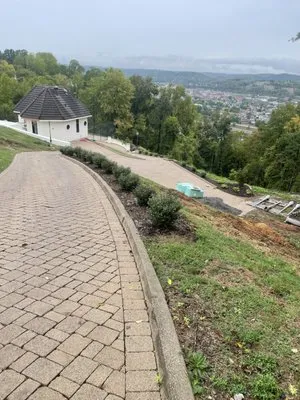
Fields Lawn and Landscape is Elkview's trusted partner for a healthy, vibrant yard. Located in the heart of West Virginia, we understand the common local challenges homeowners face, from persistent ba...
Kevin's Christ Honoring Contracted Services
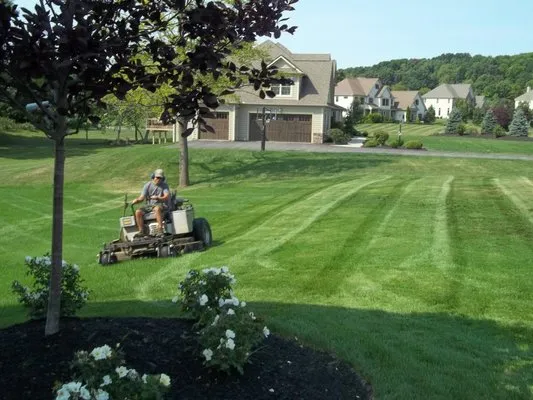
Kevin's Christ Honoring Contracted Services is a trusted local provider in Fraziers Bottom, WV, offering comprehensive lawn, tree, and gutter services to help homeowners maintain their properties. Spe...
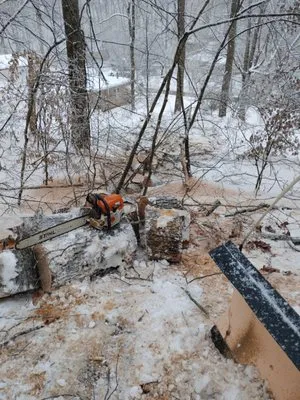
Gravely's Tree and Lawn Services is a family-owned and operated local business in Alum Creek, WV, with 27 years of experience providing reliable tree and lawn care. We take pride in every job, whether...
Baire's Lawncare is a South Charleston-based lawn service dedicated to keeping local yards healthy and vibrant. We focus on reliable, straightforward lawn care to ensure your property looks its best. ...
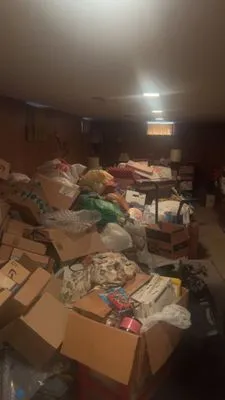
Grass N Junk Cash is your local South Charleston solution for clearing out the old and cleaning up the new. We tackle common landscaping headaches like persistent mulch bed weeds and compacted soil by...
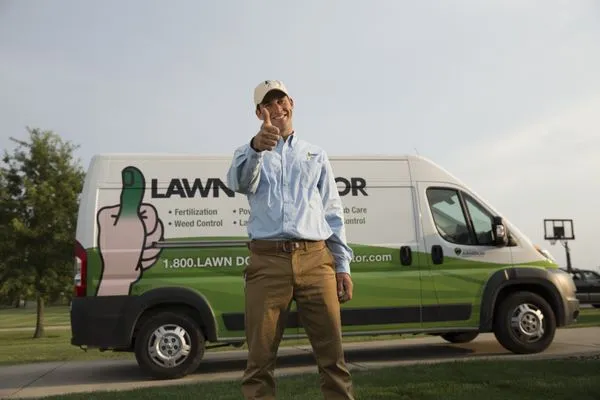
Lawn Doctor of Charleston-Huntington-Ashland has been serving Huntington, WV, and the surrounding Tri-State area for years, providing reliable lawn care solutions tailored to local conditions. Their t...
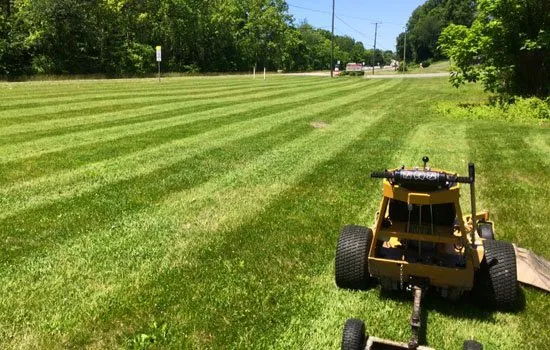
Justice Brothers Lawn Care is a Hurricane, WV-based landscaping company serving both residential and commercial properties. We provide comprehensive lawn care and tree services with a straightforward,...
Estimated Landscaping Service Costs in Buffalo, WV
Question Answers
Are concrete pavers or wooden decks better for a new patio in Buffalo?
Concrete pavers and local sandstone offer superior longevity and lower lifetime maintenance compared to wood, which requires regular sealing and deteriorates in our freeze-thaw cycles. For the standard residential Fire Wise rating here, non-combustible hardscape materials also contribute to defensible space. Permeable paver installations further aid drainage, making them a resilient, multi-functional choice for our climate.
Is it wasteful to run sprinklers in Buffalo since we have no water restrictions?
Stage 0 status means no mandates, but responsible water use is critical. Wi-Fi ET-based irrigation controllers use local weather data to apply only the water Tall Fescue turfgrass loses daily through evapotranspiration. This technology prevents overwatering, which is a primary cause of fungal disease in our humid climate and promotes shallow root systems. It ensures lawn health while proactively conserving municipal water resources.
Why does the soil in our Buffalo Central District yards seem so compacted and sour?
Homes built around 1986 on previously agricultural or cleared land established on the region's native acidic silty loam. Over 40 years, standard lawn maintenance and foot traffic have compacted the topsoil, reducing permeability and exacerbating its natural pH of 5.5-6.2. This mature soil profile requires core aeration every 2-3 years and amendments like pelletized lime to raise pH for optimal turf and plant health, directly addressing the foundational condition of neighborhood lots.
Our yard stays soggy long after rain. What's a lasting solution for Buffalo's wet springs?
Moderate runoff is common in acidic silty loam due to seasonal high water tables and reduced percolation. A graded French drain system can intercept subsurface flow, while replacing solid concrete with permeable concrete pavers for patios increases infiltration. These solutions manage stormwater on-site, which often aligns with Putnam County Planning Commission standards for new hardscape projects and protects your foundation from water damage.
Why does regrading my 0.35-acre lot require a licensed contractor?
Significant earth moving alters drainage patterns and can impact neighboring properties. The Putnam County Planning Commission may require a grading permit, and the West Virginia Contractor Licensing Board mandates specific licensing for this work to ensure competency in erosion control and compliance with state sediment laws. On a lot of this size, improper grading can lead to substantial runoff violations or structural issues, necessitating professional execution.
How fast can you respond for an emergency tree cleanup after a storm to avoid HOA fines?
For urgent compliance or safety issues, we dispatch a crew from our staging near the Buffalo Town Hall. Using WV-62, we can typically reach most Buffalo Central District properties within 25-35 minutes during peak response windows. Our electric fleet complies with the standard 8 AM to 8 PM municipal noise ordinance, allowing for immediate, quiet deployment to secure the site and begin debris management without delay.
How do I control invasive vines without harming my garden or breaking local rules?
For invasive species like English Ivy or Wintercreeper, manual removal followed by a targeted, systemic herbicide applied to fresh cuts in late summer is most effective. This method minimizes chemical use. Crucially, you must avoid any application on frozen ground to comply with state BMPs within the fertilizer ordinance. Always check for updated invasive species alerts from the WV Division of Forestry for specific treatment timing.
What are lower-maintenance alternatives to my lawn that still look good?
Transitioning high-input turf areas to a native plant community is a forward-looking strategy. Species like Eastern Redbud, Butterfly Milkweed, New England Aster, and Switchgrass are adapted to Zone 6b, require minimal watering once established, and support local pollinators. This xeriscaping approach reduces mowing frequency and future reliance on gasoline-powered equipment, aligning with evolving municipal noise and emission standards.
