Top Landscaping Services in Benwood, WV, 26031 | Compare & Call

There are 37 landscaping companies server in Benwood WV
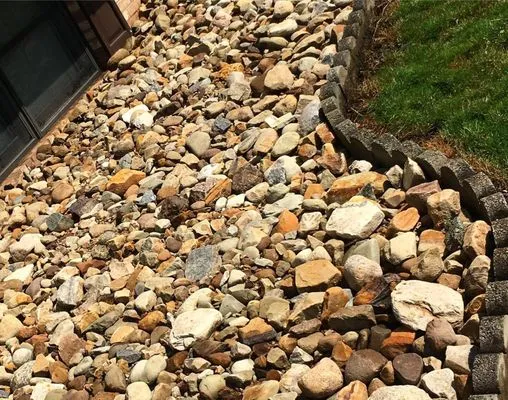
Big Bear Lawn Care And Landscaping is a Wheeling-based landscaping company owned and operated by Zane Klein, a local resident who graduated with a Business degree from WVNCC. Born and raised in Wheeli...

Kreitzer Landscaping has been a trusted Wheeling, WV landscaping partner since 2004, serving Ohio, Marshall, and Belmont Counties. We specialize in creating and maintaining beautiful outdoor spaces wi...
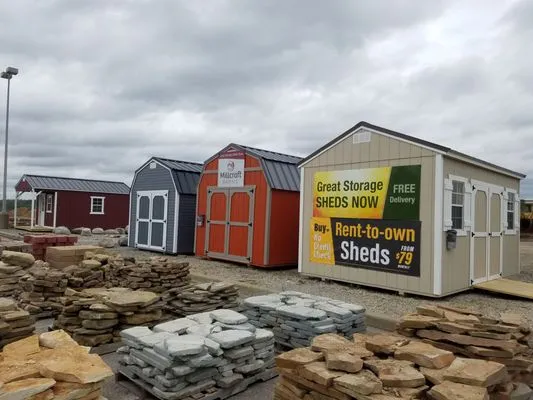
Yensen Landscape Supply
Yensen Landscape Supply in Wheeling, WV, is a full-service landscape company led by a registered landscape architect with a degree from West Virginia University and extensive experience in land planni...
BK Mowing is a locally owned lawn service in Wheeling, WV, started by a motivated teenager in May 2023. The business was founded on a simple, community-minded principle: to provide reliable and afford...
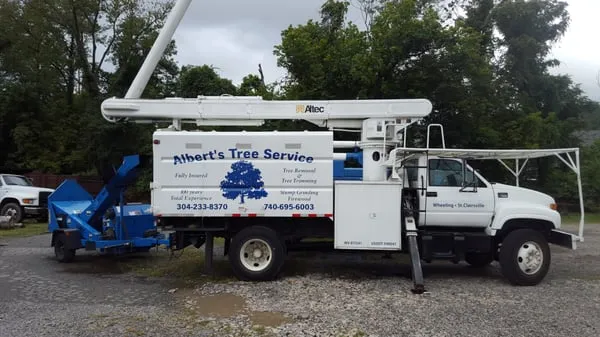
Albert's Tree Service has been a trusted name in Wheeling, WV, and St. Clairsville, OH, since 1976. Our fully insured team provides comprehensive tree care and landscaping services for both residentia...
Beckett Landscaping is a trusted Wheeling, WV, contractor specializing in comprehensive landscaping solutions for local homes and businesses. We understand the common regional challenges homeowners fa...
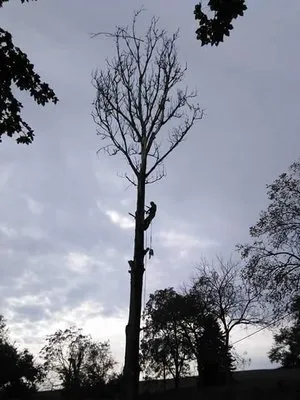
Aerial Precision, based in Wheeling, WV, is your local expert for comprehensive tree care, landscaping, and firewood services. We understand the common challenges Wheeling residents face, such as mana...

Tj's Construction and Landscaping
TJ's Construction and Landscaping is a trusted, full-service contractor serving Saint Clairsville and the surrounding Ohio Valley. We specialize in transforming homes and properties, handling everythi...
CornerStone Construction & Landscaping
CornerStone Construction & Landscaping is your local Wheeling contractor, founded on solid, practical training. Owner [Name] built his expertise at the Mountaineer Job Challenge and the Elkins Wood Te...
TG Landscapes is a trusted Wheeling, WV landscaping company dedicated to solving the common outdoor challenges local homeowners face. We understand that issues like irrigation timer failure and persis...
Estimated Landscaping Service Costs in Benwood, WV
Questions and Answers
What invasive species should I watch for, and how do I control them?
Be vigilant for invasive plants like Japanese knotweed, mile-a-minute vine, and garlic mustard, which thrive in disturbed soils. Manual removal is often most effective. For chemical controls, select herbicides carefully to avoid violating West Virginia's phosphorus application limitations, and never apply near waterways. Treatment timing is critical; early spring or late fall applications are typically best, avoiding blackout dates for fertilizer use.
What permits and licenses are needed for a major landscaping project?
Any significant grading, retaining wall construction, or drainage work on a 0.15-acre lot typically requires a permit from the Benwood City Clerk and/or the Marshall County Planning Commission. The contractor must hold appropriate licensing through the West Virginia Division of Labor. This ensures the work meets building codes, addresses erosion control, and protects you from liability for improper alterations to the property's drainage profile.
How do I keep my lawn green without wasting water?
While Benwood has no formal water restrictions, conservation is essential. Our approach uses smart Wi-Fi soil moisture sensors to deliver irrigation based on actual evapotranspiration (ET) data. This system applies water only when and where your Kentucky Bluegrass and Tall Fescue blend needs it, preventing overwatering and reducing runoff on sloped lots, which optimizes municipal water use.
My yard has serious runoff and erosion. What's the solution?
High runoff on slopes is common with our acidic silty clay loam, which has low permeability. The engineered solution involves installing subsurface French drains or dry creek beds to intercept water. Using permeable local sandstone or clay pavers for any new patios or walkways can also increase ground absorption, helping your project meet the Marshall County Planning Commission's stormwater management standards.
Why does my soil seem so compacted and heavy?
Properties in the Marshall Terrace neighborhood, with houses built around 1946, have soils that have matured for about 80 years. The prevalent acidic silty clay loam naturally compacts over decades, restricting root growth and water percolation. Core aeration in early fall is critical to alleviate this compaction, followed by top-dressing with compost to build stable organic matter and improve soil structure for the long term.
Are sandstone patios better than wooden decks here?
For longevity and fire resilience, local sandstone is superior. Wood requires constant sealing and deteriorates in our humid climate. Sandstone is inert, durable, and when set with permeable bases, aids drainage. In our Moderate (WUI Zone 2) fire risk area, non-combustible hardscapes like sandstone contribute to defensible space, a key safety consideration that wood cannot meet.
How quickly can you respond to a storm-damage emergency?
Our emergency cleanup protocol prioritizes Benwood. For a site in Marshall Terrace, our crew would dispatch from the Benwood City Building, taking WV-2 / Ohio River Blvd for direct access. Accounting for debris and traffic, we plan for a 20-30 minute peak response window to secure the property, clear hazards, and begin documentation for insurance purposes.
Is there a lower-maintenance alternative to my traditional lawn?
Yes, transitioning sections of high-maintenance turf to a native plant community is a forward-thinking strategy. Species like Eastern Redbud, Wild Bergamot, and Butterfly Milkweed are adapted to Zone 6b and require no mowing, minimal water, and no gas-powered blowers. This aligns with evolving noise ordinances and creates a biodiverse, resilient landscape that supports local pollinators.
