Top Landscaping Services in Wrightstown, WI, 54115 | Compare & Call

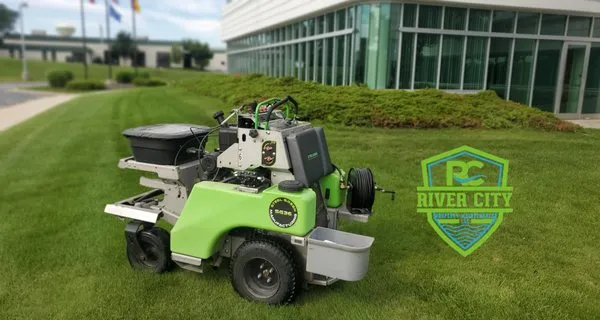
River City Property Maintenance is a locally owned and operated Wrightstown business, founded as an official LLC in 2020 and built on over 15 years of hands-on experience. We are a fully licensed and ...
Questions and Answers
What are the most aggressive weeds here, and how do I deal with them safely?
Garlic mustard and creeping bellflower are pervasive invasive species in Zone 5b. Manual removal before seed set is most effective. For chemical control, any product used must comply with the Wisconsin Phosphorus Fertilizer Law, meaning zero-phosphorus formulations except for establishing new turf or proven deficiency. Always apply according to label directions to protect local watersheds.
Why do some landscaping projects require a permit and a licensed contractor?
Significant grading, drainage work, or retaining walls over 24 inches require a permit from the Wrightstown Building Inspection Department to ensure they meet erosion control and safety codes. For a 0.35-acre lot, such alterations impact stormwater runoff patterns. Contractors must be licensed by the Wisconsin Department of Safety and Professional Services, which verifies competency in adhering to these structural and environmental regulations.
Why does my lawn in Royal St. Patricks seem to thin out every summer, even with watering?
Properties built around 1994, common in your neighborhood, have 32-year-old landscapes on Kewaunee-Manawa Silty Clay Loam. This soil type compacts over decades, reducing percolation and root oxygen. The original topsoil was likely depleted during construction, leading to a shallow root zone for Kentucky Bluegrass. Core aeration and incorporating 1/4 inch of composted organic matter annually are critical to rebuild soil structure and water retention.
Are concrete pavers a better choice than wood for a new patio?
For longevity and low maintenance, concrete pavers significantly outperform wood in our climate. They resist frost heave, require no sealing or staining, and have a 40+ year lifespan. For properties in low Fire Wise urban-fringe areas, they also provide a non-combustible, defensible space material, adding a layer of safety compared to wooden decks or mulch beds near the home.
My yard turns into a pond after heavy rains. What's a lasting solution?
Seasonal saturation is predictable in our heavy clay soils. The primary fix is improving subsurface permeability through deep-tine aeration and creating a graded swale to direct water away from the foundation. For patios or paths, using permeable concrete pavers or open-graded crushed limestone can meet Wrightstown Building Inspection Department runoff standards by allowing infiltration on-site.
How quickly can you respond for an emergency tree limb cleanup to avoid HOA violations?
For urgent compliance or storm damage, our electric fleet dispatches from near the Wrightstown Village Hall. Using I-41, we can typically reach Royal St. Patricks within the 25-35 minute peak response window. The quiet operation of our equipment allows work to begin immediately upon arrival, even during standard municipal quiet hours, ensuring a swift resolution.
Is it possible to have a green lawn in Wrightstown without wasting water?
Yes, using smart Wi-Fi soil moisture sensors. These devices bypass preset schedules, watering only when the root zone moisture drops below optimal levels for your Bluegrass/Fescue blend. This ET-based irrigation applies water precisely, conserving hundreds of gallons annually while maintaining turf health. It is the most effective method to follow standard conservation guidelines proactively.
I'm tired of weekly mowing and gas blower noise. Are there quieter, lower-maintenance options?
Transitioning to a xeriscape with Wrightstown natives like Purple Coneflower, Little Bluestem, and Butterfly Milkweed drastically reduces maintenance. These deep-rooted plants require no mowing, minimal water once established, and support local biodiversity. This approach future-proofs your property against evolving noise ordinances targeting gas-powered equipment and aligns with 2026 ecological landscaping standards.
