Top Landscaping Services in Wheaton, WI, 54703 | Compare & Call
There are 130 landscaping companies server in Wheaton WI

Vivid Edge Concrete is your trusted local masonry, concrete, and landscaping contractor in Chetek, WI. We specialize in transforming properties with durable concrete work, including driveways, walkway...
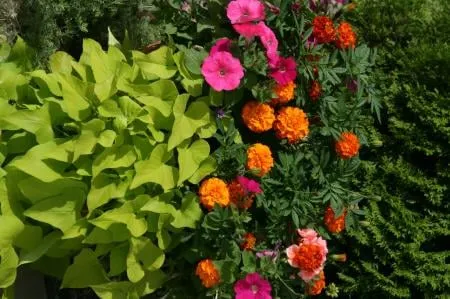
Ultimate Lawns is your trusted, local landscaping expert serving Chippewa Falls, WI. We specialize in comprehensive shrub care and landscape maintenance to tackle the common issues homeowners face, li...
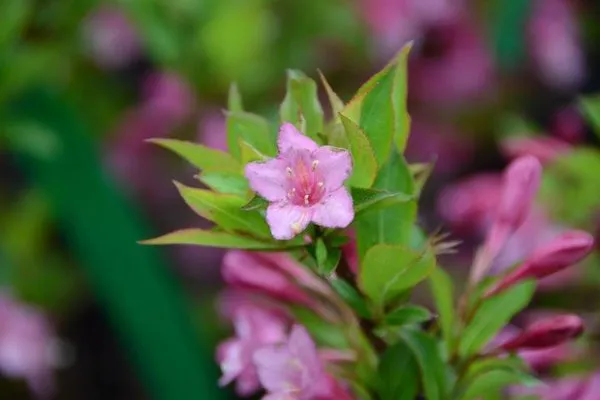
Dave Bresina's Nursery
Dave Bresina's Nursery has been a trusted landscaping and nursery resource in Chippewa Falls, WI, for over 20 years. We specialize in comprehensive shrub care—including planting, pruning, disease and ...
Rubenzer Landscaping provides comprehensive shrub and landscape care for homeowners in Bloomer, WI. We specialize in maintaining healthy, beautiful yards by addressing common local challenges. Our exp...
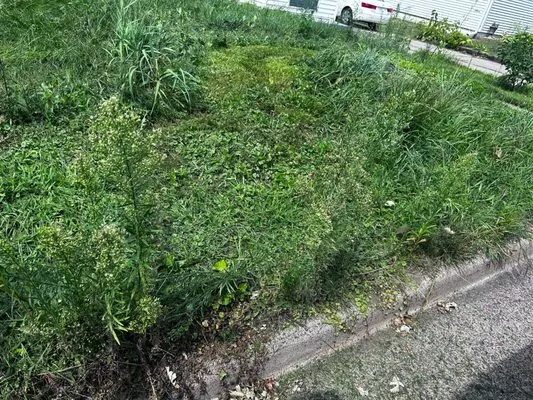
Cadott Lawn Care LLC is your dedicated local partner for a healthy, resilient lawn in Chippewa Falls. We understand the specific challenges our climate and soil present, from managing yard drainage to...
S & S and Sons Lawn is a trusted, family-owned landscaping and masonry/concrete business serving Chippewa Falls, Wisconsin. With deep roots in the local community, we specialize in comprehensive lawn ...
S & K Landscaping is a trusted, locally-owned landscaping company serving Jim Falls, WI, and the surrounding area. We specialize in helping homeowners tackle common local landscaping challenges like l...
K & M Landscaping has been a trusted name in Eau Claire, WI, for over 25 years, providing reliable landscaping solutions rooted in local expertise. We specialize in high-quality materials like mulch, ...
Warwick Lawnworks is a trusted lawn care provider serving Eau Claire, WI, specializing in comprehensive lawn maintenance and landscape solutions. We understand the common local challenges homeowners f...
We Mow Lawn Care is your trusted, year-round partner for outdoor care in Chippewa Falls. We specialize in comprehensive lawn services, irrigation systems, and reliable snow removal, ensuring your prop...
Estimated Landscaping Service Costs in Wheaton, WI
Questions and Answers
Do we need a permit to regrade part of our half-acre lot?
Regrading on a 0.50-acre property in Wheaton often requires review by the Chippewa County Planning & Zoning Department, especially if it alters stormwater flow patterns. Furthermore, significant earthmoving and grading work must be performed by a contractor licensed by the Wisconsin Department of Safety and Professional Services. This ensures the work meets structural and environmental codes, protecting your property and adjacent lots from drainage or erosion issues.
Are concrete pavers a better long-term choice than wood for our new patio?
For longevity and low maintenance in Wheaton's climate, concrete pavers outperform wood. They resist freeze-thaw cycles, do not rot, and require no chemical treatments. While Wheaton has a low Fire Wise rating, using non-combustible materials like pavers or crushed granite contributes to defensible space principles. Their modular design also allows for future reconfiguration and excellent permeability when installed with the correct base.
What's the safest way to deal with Creeping Charlie without harming the lawn?
Creeping Charlie (Glechoma hederacea) is a prevalent invasive in this region. Treatment should avoid the statewide phosphorus fertilizer ban (NR 151) by using targeted, non-phosphorus herbicides or manual removal in the growing season. The most effective long-term control is cultivating a thick, healthy turf through proper mowing height and soil amendments, which out-competes the weed. Always follow label instructions and consider spot-treatment to preserve surrounding grass.
Is there a lower-maintenance alternative to our high-input lawn?
Replacing high-maintenance turf with a native planting palette is a forward-looking strategy. Species like Little Bluestem, Butterfly Milkweed, Purple Coneflower, and Prairie Dropseed are adapted to Wheaton's Zone 4b conditions and require no fertilizer, minimal water, and infrequent cutting. This transition also aligns with evolving municipal codes, reducing reliance on gas-powered equipment ahead of potential noise ordinance updates targeting blowers and mowers.
A storm knocked down a large branch. How quickly can a crew get here for emergency cleanup?
For emergency storm response, our dispatch routes from Wheaton Town Hall via WI-29. During peak hours, travel time to the Wheaton Residential Core is typically 45-60 minutes. Crews operate within standard noise ordinance hours (7:00 AM to 9:00 PM) and will prioritize safety hazards. The first task is to clear access and make the site safe, followed by systematic debris processing and removal.
We get standing water and frost heaves in our yard every spring. What's the solution?
Seasonal drainage issues in Wheaton's sandy loam are often due to compaction and the moderate frost-heave potential of our climate zone. Improving soil percolation through aeration and adding organic matter is the first step. For hardscapes, using permeable concrete pavers or an open-graded crushed granite base can meet Chippewa County Planning & Zoning's runoff standards by allowing water to infiltrate locally, reducing heaving and ponding.
How do we keep our Kentucky Bluegrass lawn green without wasting water?
While Wheaton has no mandatory water restrictions, voluntary conservation is encouraged. Smart Wi-Fi controllers with integrated soil moisture sensors are the standard. These systems schedule irrigation based on actual evapotranspiration (ET) and soil conditions, preventing overwatering. This technology ensures your Kentucky Bluegrass and Fine Fescue mix receives precise hydration, maintaining turf health while staying well within any potential municipal water use limits.
Our lawn seems thin and compacted. Is this a soil problem common to Wheaton homes?
Lawns in Wheaton's Residential Core, built around 1981, are now on 45-year-old soil profiles. The original slightly acidic sandy loam was likely graded and compacted during construction, reducing its organic matter and permeability. This aging soil profile now requires core aeration every 1-2 years to relieve compaction and incorporate compost, which will improve water infiltration and root development for your turfgrass mix.
