Top Landscaping Services in West Allis, WI, 53214 | Compare & Call
There are 194 landscaping companies server in West Allis WI
For over 15 years, Matt's Plowing & Landscaping has been a trusted partner for property maintenance in New Berlin. We specialize in commercial snow removal and salting to keep businesses safe and oper...
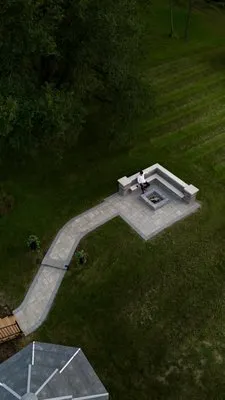
Multi Scapes
Founded in Hales Corners by Daniel, Multi Scapes is a dedicated, minority-owned landscaping and masonry business serving the local community for over four years. Our team brings deep experience in bot...
AA Landscaping is a trusted Milwaukee-based service dedicated to solving common yard challenges faced by local homeowners. We specialize in rejuvenating overgrown and unmanageable landscapes, providin...
X34 Snow Removal & Lawn Service
X34 Snow Removal & Lawn Service is your trusted, year-round partner for a healthy and beautiful property in West Allis, WI. We understand the unique challenges local homeowners face, from patchy lawn ...
Estimated Landscaping Service Costs in West Allis, WI
Question Answers
Our yard has significant runoff, especially near the driveway. What solutions work with West Allis's clay soil?
High runoff is a direct result of the clay-heavy subsoil's low percolation rate. To mitigate this, we design systems that redirect water and increase absorption. Installing permeable pavers or crushed limestone patios replaces non-porous surfaces, while French drains and rain gardens manage flow. These solutions often meet the Department of Development's stormwater management standards by reducing impervious cover and peak runoff rates.
Our yard seems dense and water pools after rain. Could the history of our property be affecting the soil?
Homes built around 1955, like many in Downtown West Allis, have soils with over 70 years of maturation. The prevalent Mequon-Ozaukee-Morley silty clay loam has likely become heavily compacted from construction and routine maintenance. This compaction reduces permeability, explaining the pooling. To restore soil health, we recommend core aeration and incorporating composted organic matter to improve structure and water infiltration.
Do we need a permit to regrade our backyard, and what should we look for in a contractor?
Yes, significant grading or earthmoving on a 0.14-acre lot typically requires a permit from the West Allis Department of Development to ensure proper drainage and compliance with codes. More critically, always verify your contractor holds a valid license from the Wisconsin Department of Safety and Professional Services. This licensing is mandatory for landscape architecture and contracting, guaranteeing they carry required insurance and possess the technical expertise for structural and hydrological work.
We want to reduce mowing and gas equipment use. What are our options?
Transitioning high-maintenance turf to a climate-adaptive xeriscape is a forward-thinking solution. We design planting beds using regionally native species like Purple Coneflower, Little Bluestem, and Butterfly Milkweed. These deep-rooted plants require no mowing, minimal water, and support local biodiversity. This shift also future-proofs your property against evolving noise ordinances that restrict gas-powered blowers and mowers.
Is a new paver patio a good long-term investment compared to a wood deck?
For longevity and low maintenance in our climate, concrete pavers are superior. They resist frost heave better than wood and do not rot, splinter, or require frequent sealing. In an urban setting with a low Firewise rating, non-combustible materials like pavers or crushed limestone also contribute to defensible space. A properly installed paver patio with a geotextile and gravel base can last for decades with minimal upkeep.
We've spotted creeping Charlie and garlic mustard. How do we treat these without harming the lawn?
These are common invasive species in Zone 5b that outcompete desirable turf and natives. Treatment requires a targeted, integrated approach. We use precise, licensed herbicide applications for severe infestations, strictly adhering to the statewide phosphorus ban and avoiding turf during restricted blackout periods. For long-term control, we improve lawn density through proper fertilization and overseeding to resist future invasion.
We have a major storm damage situation and need emergency tree cleanup. What is your fastest response time?
Our standard peak storm response is 15-20 minutes. For an emergency in Downtown West Allis, our dispatch from the West Allis City Hall area uses I-94 for direct access. We coordinate with local authorities and prioritize safety, bringing electric-powered equipment to comply with the 8pm-7am commercial noise ordinance while performing urgent stabilization and debris removal.
How can we keep our Kentucky Bluegrass lawn healthy without wasting water?
Effective irrigation relies on precision, not just volume. Our systems utilize Wi-Fi ET-based weather sensing to apply water only when needed, based on real-time evapotranspiration data. This method precisely hydrates the Bluegrass/Fine Fescue blend while conserving municipal water, aligning with standard conservation practices. This technology prevents overwatering, a common issue in Zone 5b's variable spring and summer climate.
