Top Landscaping Services in Waunakee, WI, 53597 | Compare & Call

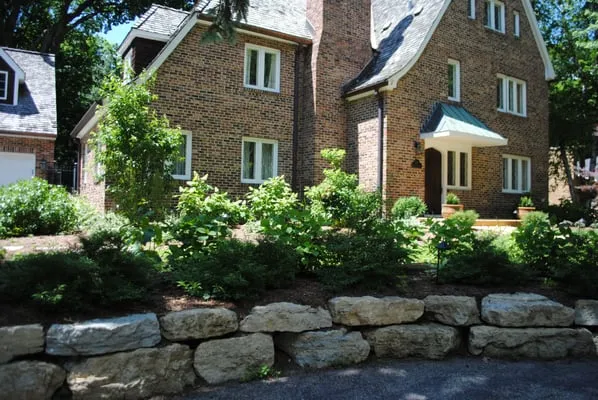
Norland Landscape is a family-owned landscape contractor serving Waunakee, WI, since 2007. Specializing in landscape design and construction, they offer comprehensive services including patios, fire p...
Trotta Landscape is a trusted name in Waunakee's green industry, bringing over 13 years of dedicated experience to every project. Owner-operated for five years and serving the Waunakee, DeForest, and ...

Sparbys Garden Center & Landscaping is a trusted, locally-owned resource in Waunakee, WI, dedicated to helping homeowners achieve and maintain beautiful, healthy landscapes year-round. We understand t...
Franz Landscaping is a trusted Waunakee-based landscaping company serving Dane County with comprehensive outdoor solutions. We specialize in creating and maintaining beautiful, functional landscapes f...

C&O Landscaping & Snow Removal is your trusted, year-round partner for outdoor care in Waunakee, WI. We understand the common local challenges homeowners face, like uneven sprinkler coverage leaving d...
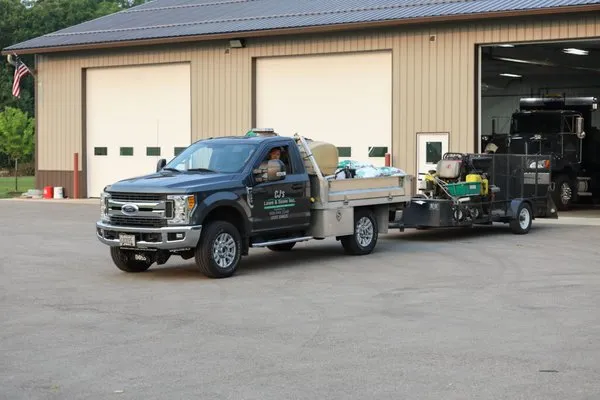
CJ's Lawn and Snow Services, Inc. is a trusted property maintenance company dedicated to serving the Greater Madison, Wisconsin area. We provide comprehensive, year-round grounds maintenance for comme...

Curb Appeal is a locally owned and operated company based in Waunakee, WI, specializing in concrete landscape curbing, tree services, and lawn care. Since 1993, our team has brought over a century of ...
Ensign Landscaping is a trusted Waunakee landscaping company dedicated to solving the common property challenges local homeowners face. We specialize in addressing issues like post-storm debris cleanu...
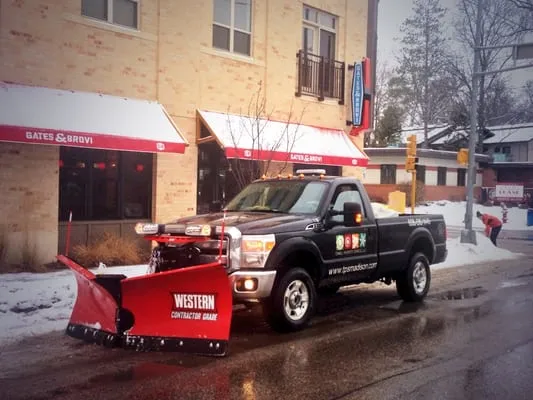
Founded in 2010 by Ian Towell, Towell Property Services grew from a deep-rooted passion for the outdoors and years of hands-on experience in the Madison area. Ian's journey began helping his father wi...

Best Lawn Service is a family-owned and operated turf management company proudly serving Waunakee and the greater Madison area since 2001. We specialize in professional lawn care and snow removal, off...
FAQs
Why does my soil seem so hard and compacted compared to older neighborhoods?
Westbridge lots, typically developed around 1996, have about 30 years of soil maturation. The original construction-grade subsoil, often over-compacted by machinery, is now overlain with a thin layer of imported silt loam topsoil. Over decades, foot traffic and routine mowing have further reduced permeability. This history necessitates annual core aeration and the addition of compost to rebuild soil structure and organic matter, which is currently deficient in most neighborhood lawns.
I see a fast-spreading vine in my flower beds. How do I stop it without harming my lawn?
This is likely an invasive species like Creeping Charlie or Field Bindweed. Manual removal is effective for small infestations, ensuring you extract all root material. For larger areas, a targeted, spot-applied herbicide labeled for broadleaf weeds is necessary; apply it carefully to avoid drift onto desirable plants. Crucially, any product used must contain zero phosphorus to comply with Waunakee's fertilizer ordinance, which prohibits phosphorus applications to established turf.
My backyard stays soggy for days after rain. What's the solution?
This is a common issue in Waunakee's silt loam soils, which have moderate permeability and a seasonally high water table. The primary solution is to redirect surface runoff. Installing a French drain or dry creek bed can channel water away from foundations. For new hardscapes, specify permeable concrete pavers or an open-graded crushed limestone base to increase infiltration, which often helps projects meet the Village Planning & Zoning Department's updated stormwater management standards.
Do I need a permit to regrade my yard, and does my contractor need a special license?
Yes, significant regrading on a 0.25-acre lot often requires a permit from the Waunakee Planning & Zoning Department to ensure compliance with drainage and erosion control ordinances. Furthermore, any contractor performing this work must hold the appropriate Dwelling Contractor Qualifier license from the Wisconsin Department of Safety and Professional Services. This licensing verifies they are bonded and insured, protecting you from liability for improper work that could affect neighboring properties or municipal infrastructure.
Are concrete pavers a better long-term choice than a wooden deck?
For longevity and reduced maintenance, concrete pavers are superior. They are impervious to rot, insect damage, and do not require annual sealing or staining. In our Zone 5b climate, they withstand freeze-thaw cycles well when installed with a proper base. For fire safety, pavers and crushed limestone provide a non-combustible, defensible space material, which is a recommended practice even in Waunakee's low Fire Wise risk rating suburban areas.
My HOA sent a notice; how fast can you handle an overgrowth violation?
For urgent HOA compliance, we can typically dispatch a crew within the same business day. Our standard dispatch route originates from our staging area near Village Center Park, proceeding north on Highway 113 directly into the Westbridge subdivision, ensuring a 15-20 minute arrival window. We prioritize these calls to resolve visibility and safety issues, such as obstructed sidewalks or sightlines, within 24 hours of contact.
I'm tired of weekly mowing and gas-powered noise. Are there quieter, lower-maintenance options?
Absolutely. Transitioning sections of high-input turf to a native planting bed is a strategic solution. Species like Purple Coneflower, Little Bluestem, and Prairie Dropseed, once established, require no mowing, minimal watering, and no synthetic fertilizers. This shift not only reduces maintenance but also future-proofs your property against evolving noise ordinances that increasingly restrict gas-powered blowers and mowers, while significantly enhancing local biodiversity.
Is it okay to run my sprinklers every day during a dry spell?
While Waunakee has no formal water restrictions, daily watering is counterproductive and wasteful. Kentucky Bluegrass and Fine Fescue blends develop deeper, drought-resistant roots when watered deeply but infrequently. Modern Wi-Fi ET-based systems calculate evapotranspiration rates, applying water only to replace what the atmosphere and plants have used. Programming your system to this standard, typically 1 inch per week in split applications, maintains turf health while adhering to municipal conservation guidelines.
